
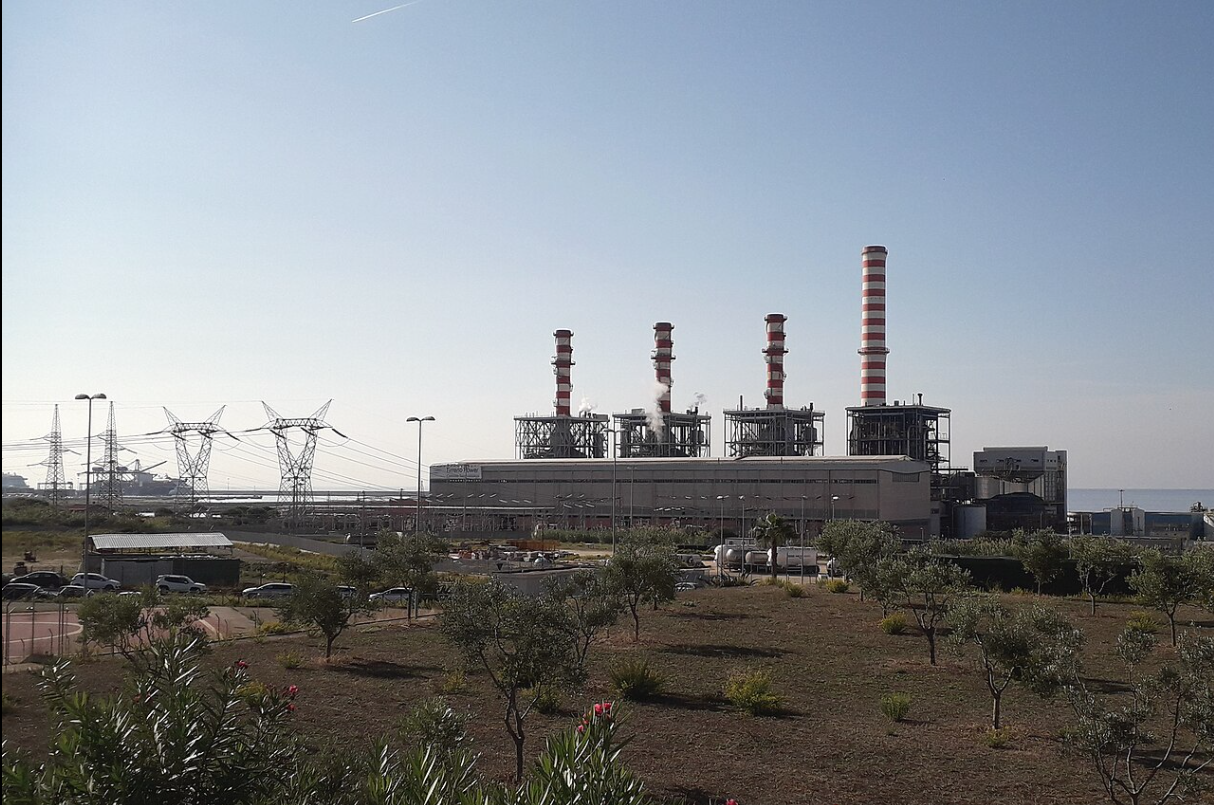
The EU Commission may also allow subsidies for gas-fired power generation, which critics say runs counter to EU goals to reduce fossil-fuel use.
 Wester van Gaal



The EU will temporarily loosen state-aid rules to allow member states to subsidise energy costs for small businesses, farmers, haulers, fishers and heavy industry to cushion those most impacted against the economic blow of the conflict in the Middle East.
Under the package, governments can cover up to 70 percent of extra fuel and fertiliser costs for agriculture, fisheries and transport operators compared with pre-crisis price levels, up to up to €50,000.
Energy-intensive industries will also benefit from a higher ceiling on electricity cost subsidies, raised from 50 percent to 70 percent of eligible consumption.
Some of these measures overlap with support already announced by member states in March, effectively approving them at the EU level retroactively.
The rule changes are temporary and run until the end of the year.
Gas plant subsidies?
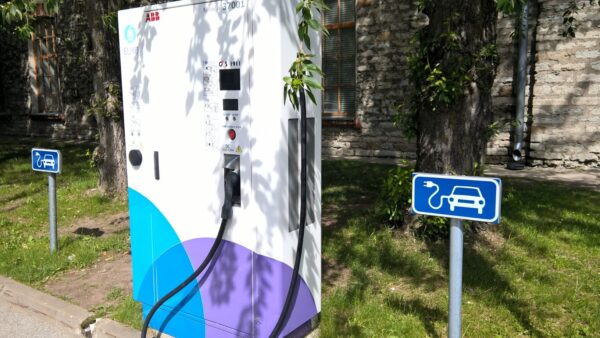
Executive vice-president Teresa Ribera told press on Wednesday that the crisis was already boosting the case for renewables, “especially electric vehicles”, by exposing the risks of fossil fuel dependence.
Battery electric vehicle registrations across the EU rose 48.9 percent in March compared to last year, according to the European Automobile Manufacturers’ Association.
“That is why it is so important to bet on the energy transition,” she said.
But the EU Commission may also allow subsidies for gas-fired power generation, which critics say runs counter to EU goals to reduce fossil fuel use.
Italy has already moved in this direction by reimbursing carbon costs for gas power plants, which market analyst Luca Urbanucci said could increase gas demand in the country by seven percent.
Higher demand pushes up prices further, largely offsetting the benefit for households and businesses, effectively leaving taxpayers to foot the bill twice — once through the subsidy and again through costlier energy bills.
Energy commissioner Dan Jørgensen, who leads that file, has consistently called on member states not to respond to fuel shortages by subsidising consumption.
“We don’t want to raise the consumption of gas,” Ribera also said on Wednesday. “Nevertheless, the recent spikes in energy prices require an immediate response.”
Fiscal giants
The framework also raises questions over fairness between member states.