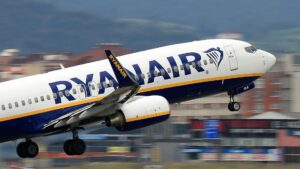

In response to the Strait of Hormuz oil crisis, Germany, Lithuania and the Netherlands are showing the way to provide cheap rail fares to their citizens – which EU country is next?
 Victor Thévenet



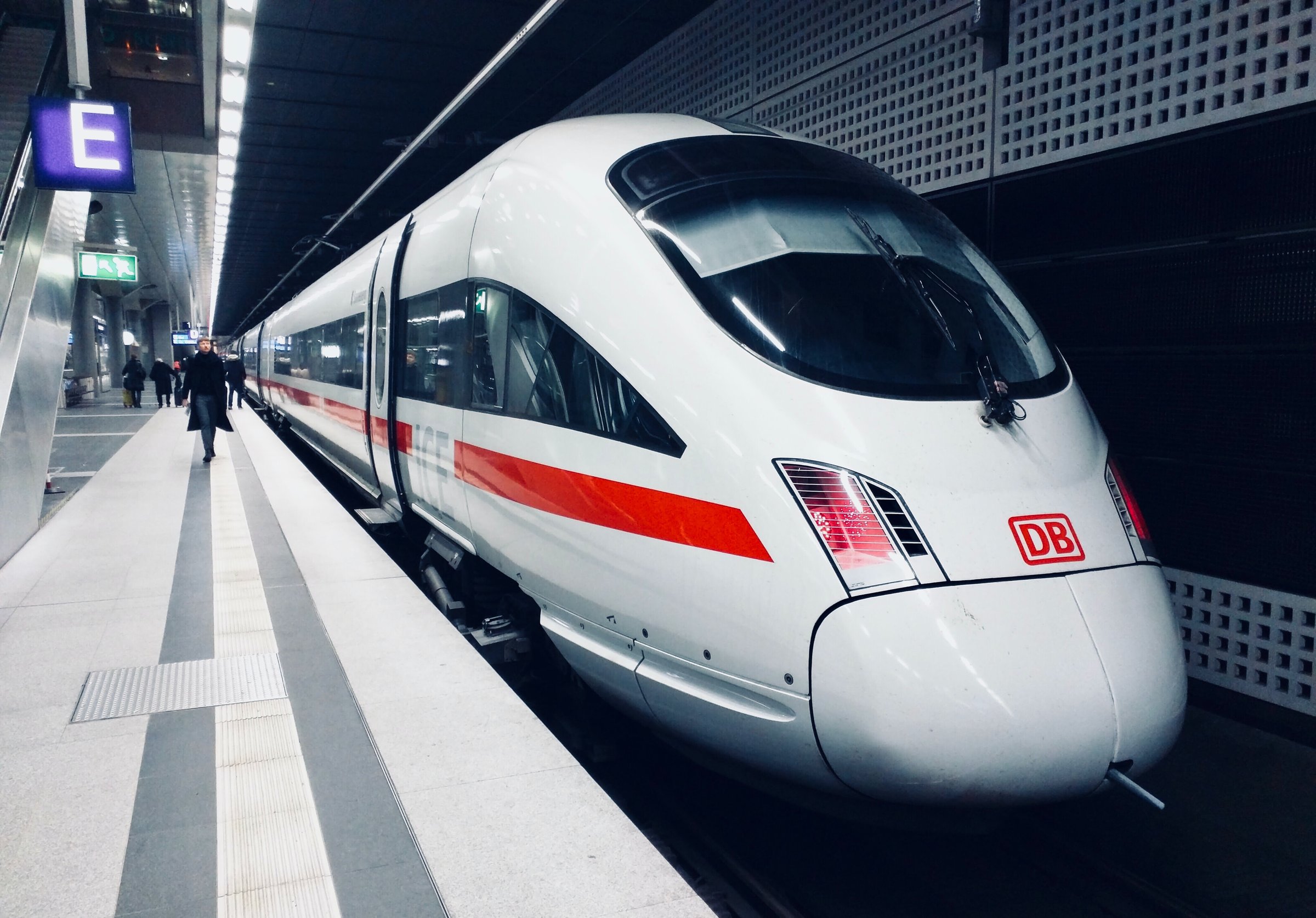
This month, Deutsche Bahn announced a freeze on long-distance rail ticket prices in Germany for one full year — until April 2027 — to help consumers cope with rising fuel prices
This is a very wise short-term answer to prevent citizens from bearing the consequences of the oil crisis in their travel budgets.
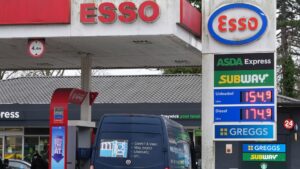
The EU average price for petrol (Euro-super 95) rose from €1.64 to €1.83 per litre from February to April 2026 — a 12 percent increase.
Germany is not new to such initiatives: it previously introduced a temporary €9 monthly ticket for local and regional public transport, raised to €63 but made permanent, and now it is going a step further by freezing long-distance ICE train ticket prices.
In the last weeks, in response to the oil crisis, the Netherlands also announced a monthly €49 summer bus and rail pass, and Lithuania has cut train ticket prices in half.
These are sensible steps to encourage consumers to choose rail over car or plane for the coming spring weekends and summer months — good to reduce oil consumption, for holiday budgets, and to incentivise a greener mode of transport.
Rail traffic is at 80 percent electrified and according to the EEA, passenger rail emits four times less CO2 than passenger cars and five times less CO2 than passenger air.
Cost barrier makes trains a ‘luxury’
Cost of rail remains the first major barrier to a larger adoption of rail travel in Europe.
Opinion polls repeatedly show that price is the primary factor in consumer decisions.
Looking at a Paris-London return trip for a June weekend, in a few clicks I was able to find a return trip for €87 with Easyjet, while on Eurostar it will cost a minimum of €170.
If you are a family of four: €348 by plane, €680 by train, pushing the climate-friendly and oil-saving solution into luxury territory.
There are many other examples, as Greenpeace found that on average in Europe train ticket prices are twice as expensive as plane tickets.
Travellers also face a burdensome booking process. Our latest study shows that it is hard or impossible to book close to 50 percent of major rail connections, let alone find the cheapest tickets.
In the medium to longer term, however, it is likely that public budgets cannot sustain the cost of cheaper tickets indefinitely and we also need structural changes.
A bigger share of the public budgets should be spent on the maintenance of the existing network to reduce delays, which also drives up costs for the sector.
One of the solutions to have more affordable rail tickets is to make the rail sector more competitive, especially on lines where there is capacity available, like the channel tunnel that could welcome 50 percent more trains.
Data coming from Spain and France is very telling: the Spanish regulatory authority found that in line with competition between different operators (Iryo and Ouigo), fares have dropped by 33 percent (44 percent if we include inflation).
In France, the arrival of Trentialia on the Paris to Lyon connection has enabled a price reduction of 10 percent between 2022 and 2025 and first signs show a reduction of 30 percent on the line Paris-Marseille.
According to the UK network operator Saint Pancras high-speed, competition on channel tunnel connections could also reduce ticket prices by up to 30 percent — a game-changer for travellers.
No fuel tax, no VAT
Making sustainable and affordable mobility a reality across the EU also requires innovative policy on other transport areas.
Airlines fares are also sometimes ridiculously low and they should pay for their pollution. They still today pay no tax on aviation fuels and no VAT for international flights.
Efficient electric bus networks in areas with no rail infrastructure and incentives to help citizens adopt electric cars are also needed to stop our dependency on petrostates and be better shielded against the oil crisis.
When it comes to rail, more EU countries should mirror the decision of Germany, the Netherlands and Lithuania and could use the EU Social Climate Fund for this purpose.
In the short term, reducing or freezing rail ticket prices is a very smart measure that will be very much welcomed by citizens and from which governments could politically benefit.
But in the longer term, a broader adoption of rail would only be feasible by structural reforms including developing competition, improving tickets booking and securing a significant part of the public budget for the maintenance and upgrade of the network to increase the frequency of trains, and improve the punctuality, the second most common reason for travellers to choose another mode of transport.