

Investors have fled from leading luxury stocks like Hermès and Gucci this week after they revealed tumbling sales as a result of the Iran war. The market was quick to respond to the poor results from several top fashion houses, as doubts swirl around the Middle East’s role as a
 Felix Armstrong



Thursday 16 April 2026 1:34 pm
Investors have fled from leading luxury stocks like Hermès and Gucci this week after they revealed tumbling sales as a result of the Iran war.
The market was quick to respond to the poor results from several top fashion houses, as doubts swirl around the Middle East’s role as a key market for luxury brands.
US-listed Kering – which owns Gucci, Yves Saint Laurent and Balenciaga – has seen its shares slump more than 11 per cent in the last five days, after it reported a six per cent year-on-year revenue decline to €3.5bn.
Paris-listed Hermès, which makes Birkin bags, saw revenue fall one per cent year on year to €4.07bn in the first quarter of this year.
Its share price has fallen by nearly eight per cent in the last five days, bringing the stock to a 22 per cent drop this year.
#mc_embed_signup { background: #fff; clear: left; font: 14px Helvetica, Arial,sans-serif; width: 100%; max-width: 600px; margin: 20px 0; } #mc-embedded-subscribe-form { margin: 20px 0 !important; } .newsletter-form-flex { display: flex; gap: 0; align-items: center; margin-top: -10px; } .newsletter-form-flex input[type=”email”] { flex: 1; padding: 2px 10px; border: 1px solid rgb(18, 22, 23) !important; border-radius: 12px 0 0 12px !important; } .newsletter-form-flex input[type=”submit”] { padding: 4px 10px !important; margin: 0 !important; background-color: rgb(18, 22, 23) !important; color: rgb(255, 255, 255) !important; border: 1px solid rgb(18, 22, 23) !important; border-radius: 0 12px 12px 0 !important; } .newsletter-banner-content { margin-bottom: 15px; } .newsletter-banner-content h2 { margin: 0 0 10px 0; font-size: 18px; font-weight: 600; } .newsletter-banner-content p { margin: 0 0 10px 0; line-height: 1.5; } .newsletter-banner-content ul, .newsletter-banner-content ol { margin: 0 0 10px 20px; } .newsletter-banner-content a { color: #0073aa; text-decoration: none; } .newsletter-banner-content a:hover { text-decoration: underline; } .newsletter-banner-content img { max-width: 100%; height: auto; margin: 10px 0; } #mc_embed_signup #mce-success-response { color: #0356a5; display: none; margin: 0 0 10px; width: 100%; } #mc_embed_signup div#mce-responses { float: left; top: -1.4em; padding: 0; overflow: hidden; width: 100%; margin: 0; clear: both; }
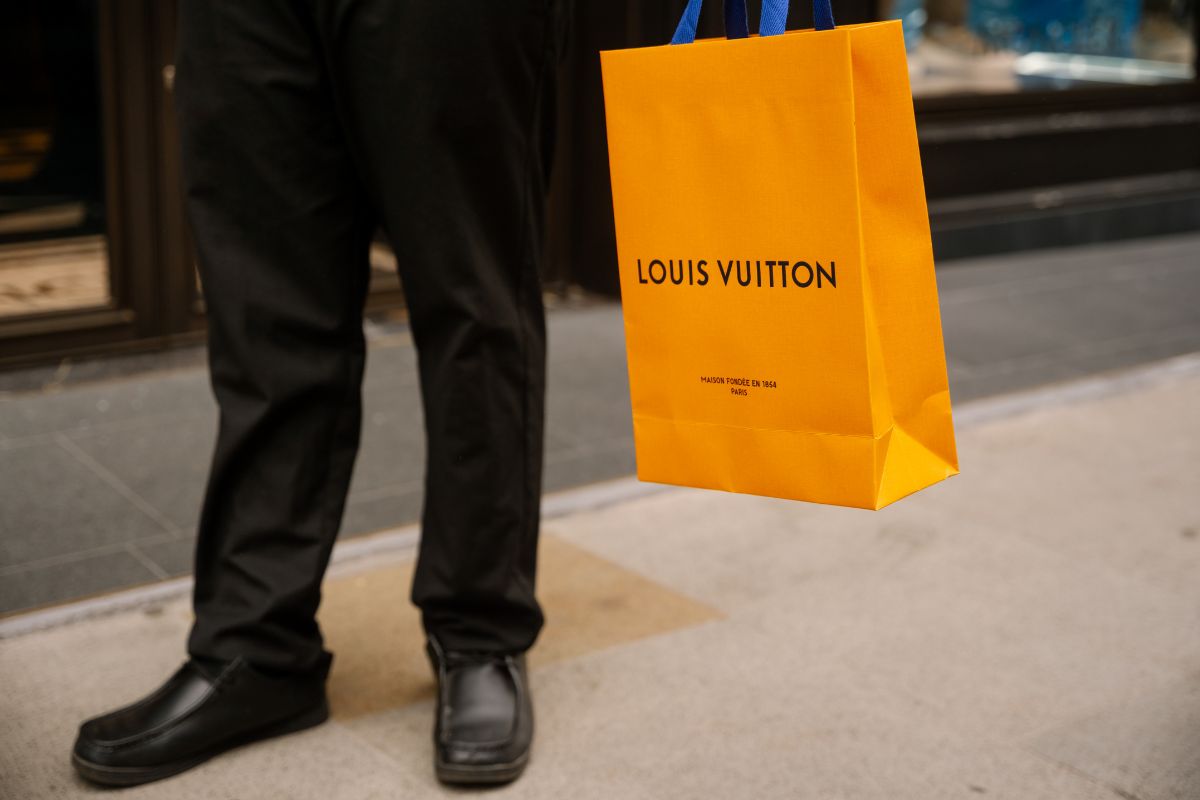
LVMH, which owns luxury brands Louis Vuitton and Dior, reported worse-than-expected revenues of €19.1bn and said the war has hit its growth by one per cent.
Shares in the firm, which is listed in Paris, have fallen nearly one per cent in the last five days, leaving the stock down more than 24 per cent this year.
Iran war shock worse than expected
Huge malls in Middle Eastern cities like Dubai and Riyadh had previously been a centrepoint of these firms’ markets, with their presence in airports also making tourism a central route of income for luxury brands.
Susannah Streeter, chief investment analyst at Wealth Club, told City AM luxury brands will have been expecting a sales hit since the war broke out but could not have prepared for a slump of this scale.
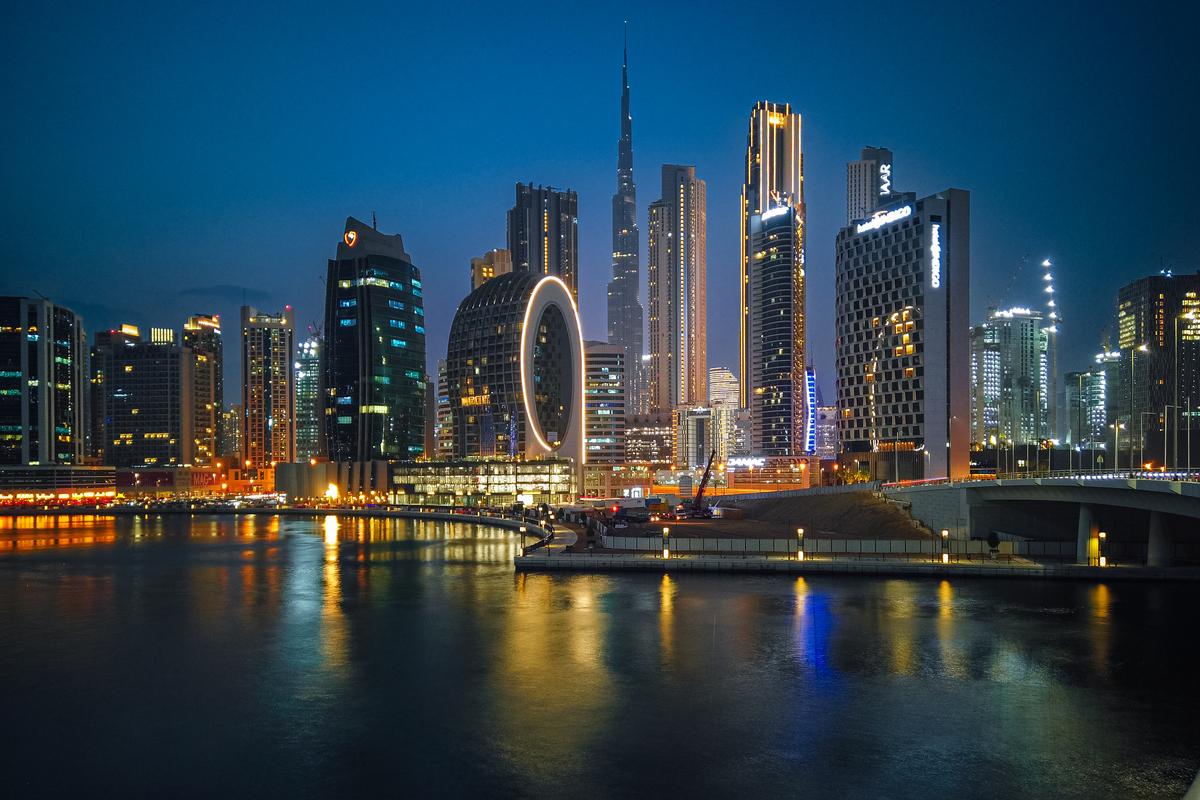 Dubai had been a hot spot for luxury brands
“It’s been a pretty dismal week, as far as luxury brands are concerned,” she said.
“It’s the duration that would have come as a shock, because of where we were last summer when we had those initial strikes on Iran – I think there was an expectation that this would be done and dusted much more quickly.
“Actually it’s taken a lot longer, so I think the hit has been greater than anticipated. There wasn’t an expectation that there would be this retaliatory action on such a key shopping destination for luxury brands.”
Analysts said luxury brands have suffered from a drop-off in the reverse trend too, suffering from a cliff-edge in wealthy Middle Eastern residents visiting Europe.
Luxury brands ‘must cut prices’ to survive
Emma Wall, an analyst at Hargreaves Lansdown, said: “Sales in the Middle East have, unsurprisingly, been most affected, but so too have sales in China – one of the luxury sector’s most important regions.
Read more Dolce without Gabbana? What happens after a business breakup
“Hermès also revealed sales in Paris are down, as fewer shoppers undertake international travel.”
Luxury brands should take this week’s stock slump as a warning that it needs to lower prices to reduce its reliance on the ultra-rich, according to Kathleen Brooks, research director at XTB.
She told City AM: “The Middle East could be a temporary issue, but structural issues are a big problem for them. They have lost a whole swathe of customers because the prices that they just price people out.
“If you lose a more established customer base like your wealthy Middle Easterners, that just compounds a problem that’s already there.”
While Hermès can take some confidence from its strong brand loyalty, the bag-maker lacks the diverse brand offering of LVMH and could be more exposed, Brooks said.
LVMH can look for reliability in Sephora, its high street beauty retailer, Hermès is more vulnerable because it is “concentrated in the high end luxury market”.
UK fashion house Burberry could defy gloom
London-listed Burberry has so far escaped the stock slump facing its overseas competitors.
The British fashion brand is insulated from the worst of investors’ fears over luxury stocks because it has already had its “annus horriblis,” Brooks said.
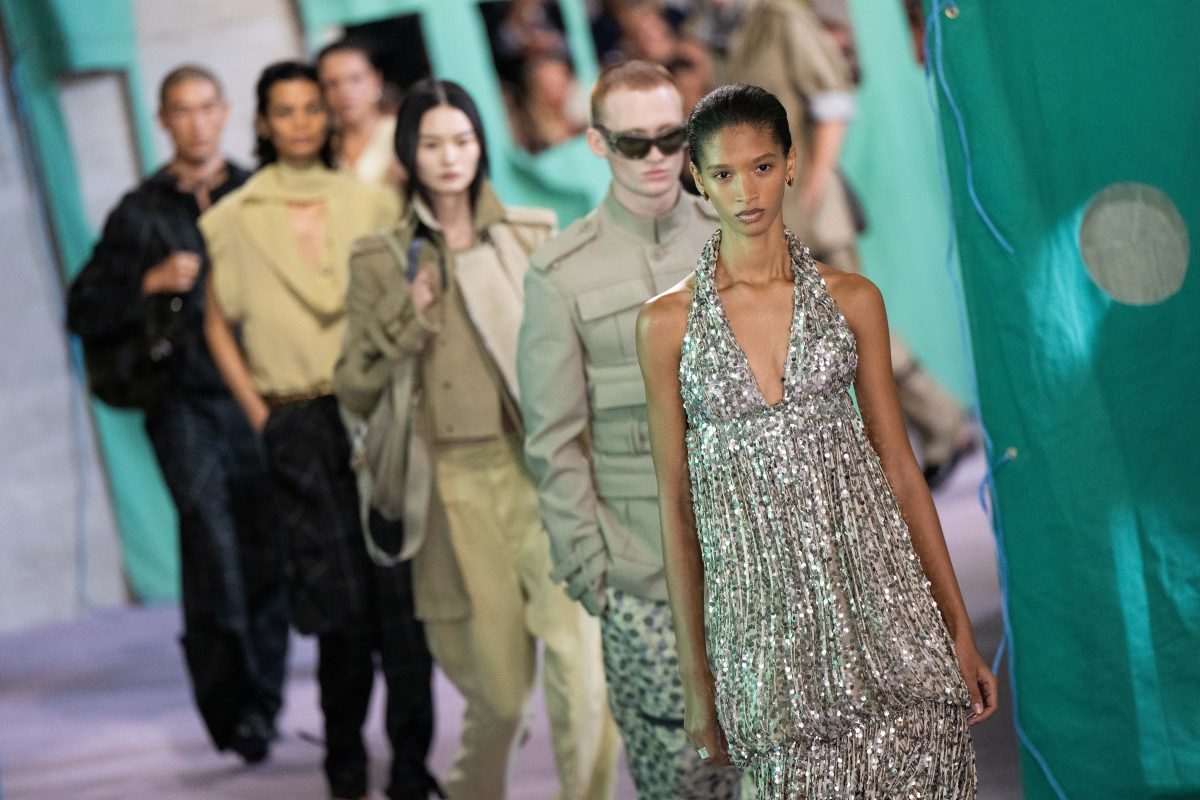 Burberry’s turnaround has convinced investors, for now
Burberry’s shares plummeted at the start of this decade but the firm has since won over investors with its turnaround plan, as its losses have begun to ease.
The fashion house was dumped out of the FTSE 100 index in 2024 but returned last year, and its share price is up nearly 10 per cent in the past month, though it has fallen 13 per cent in the year so far.
Burberry will take a sales hit from the Iran war but is more resilient than its US competitors because it is among the first to notice the need for a more varied price offering, Brooks believes.
She pointed to a new cropped trench jacket – which offers an almost £1k saving on the full-length product – as an example of the British firm diversifying its appeal to become more flexible against external shocks.
She said: “It really shows how exposed a lot of the luxury market is to the Middle East, and how it’s just not really been able to attract high end buyers from elsewhere. And to do that you need to reduce your prices.”
Read more Hermes Reply Partners with Lavazza to Develop a New Digital and Efficient Manufacturing Model
Similarly tagged content: Sections Categories People & Organisations