
The UK boasts one of the best-funded tech industries in the world, but despite its many laudable achievements, concerns are regularly thrown around regarding the ambition and competitiveness of its domestic funding ecosystem. It was this precise concern that inspired the launch of the Business Growth Fund (BGF) back in
 UKTN
UKTN



Your browser does not support the video tag.
The UK boasts one of the best-funded tech industries in the world, but despite its many laudable achievements, concerns are regularly thrown around regarding the ambition and competitiveness of its domestic funding ecosystem.
It was this precise concern that inspired the launch of the Business Growth Fund (BGF) back in 2011. A joint effort from a cohort of major banks, BGF was launched as a way to increase the flow of equity funding towards British business and reduce funding gaps at various stages.
Today, BGF works across the various stages of businesses offering patient capital and supporting firms from startups to publicly floated companies.
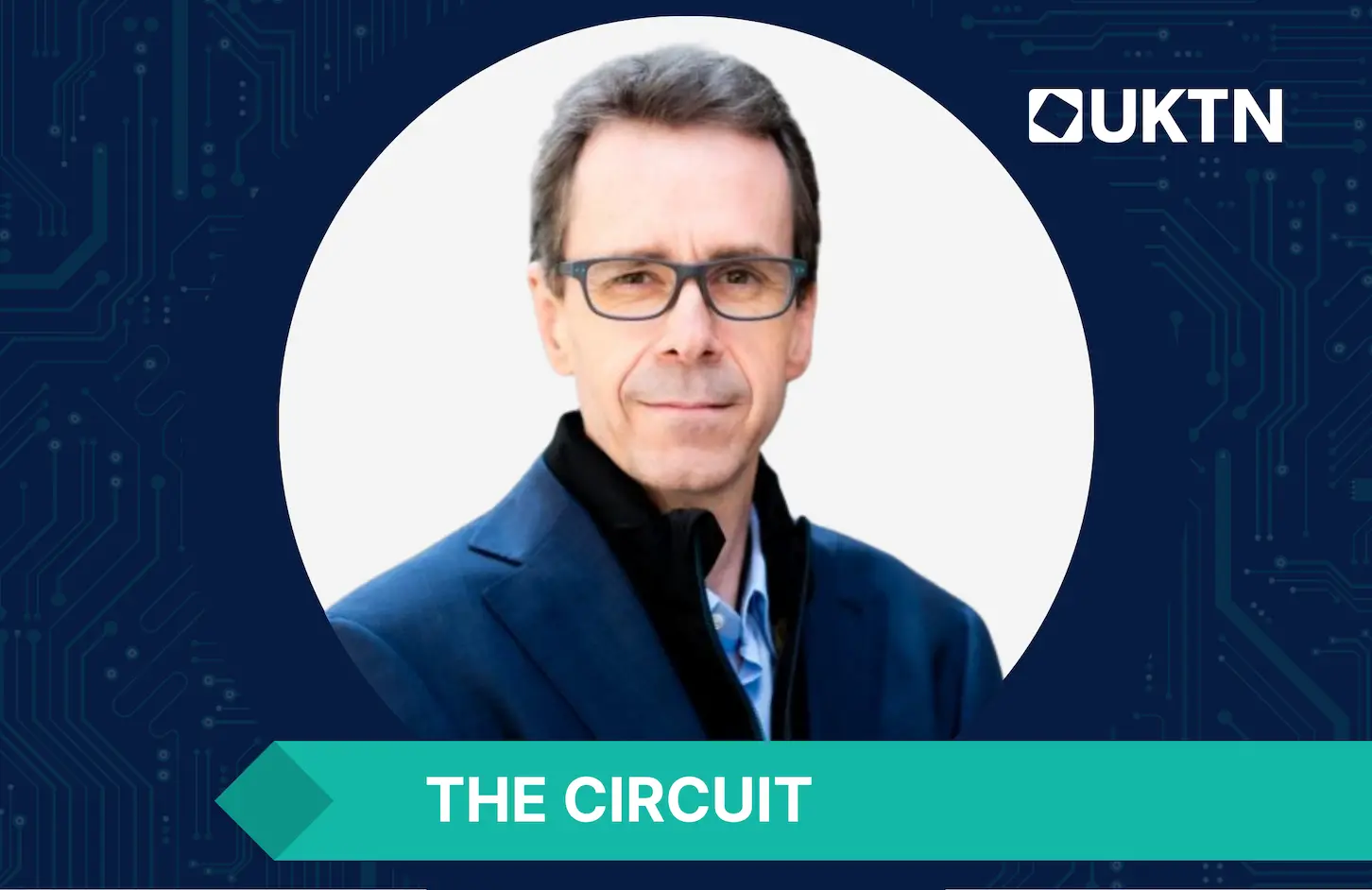
In this exclusive interview with UKTN, Dennis Atkinson, co-head of early-stage investments at BGF, discusses the state of the UK’s investment ecosystem, the role of his company in supporting the country’s economic ambitions, what makes an attractive investment prospect and more.
Where do you see BGF’s role in supporting the UK’s economic ambitions?
BGF plays a key role in helping the UK and Ireland convert innovation into scaled businesses. The UK consistently produces world-class science and early-stage companies, but the challenge has often been turning those into repeatable, commercially successful businesses.
Our role is to provide long-term, flexible capital and hands-on support to help founders bridge that gap from technical breakthrough to a sustainable and scalable company.
Because we invest across regions and sectors, deploying just under £5bn into over 650 companies since 2011, we also help ensure that growth isn’t concentrated in a single geography or industry, but is spread more evenly across the UK economy, generating long-term value beyond the traditional hubs.
What have you learnt about the UK’s startup ecosystem in your role?
The UK’s strength is clearly in innovation, particularly in deeptech, life sciences, and emerging industrial technologies. Productisation and commercialisation are two areas that are sometimes less developed.
Many technically exceptional companies still struggle to translate capability into a clear, repeatable product that solves a consistent problem for customers. That “product layer”, sitting between engineering and sales, is critical.
It is often founder-led in the early days, but building that capability into the business is one of the biggest unlocks for achieving true product-market fit and scalable growth.
Is the UK’s investment ecosystem in a good place and what changes would you want to see?
The ecosystem is in a strong position overall, particularly at the early stage where there is both capital and talent. There is an ongoing debate around scale-up funding.
One view is that there is not enough long-term capital domestically; another is that the best companies will always find funding if they execute well.
The reality is probably a combination of both. Capital matters but ultimately, companies that build strong teams, clear strategy, and real customer value are the ones that consistently attract funding at every stage.
If there is one area to improve, it is ensuring more companies are truly “fundable at scale” which comes back to execution, not just availability of capital. There is a real place for long-term capital, especially when it’s paired with a partnership-driven approach.
It gives founders the support they need to bring their vision to life, while also helping them build something sustainable with long-term value.
What makes a company desirable for BGF?
We look for companies that combine technical strength with commercial clarity. That means a strong, self-aware founding team, a clear understanding of the problem they are solving, and early evidence that their solution works in a repeatable way across multiple customers.
In deeptech particularly, we spend a lot of time understanding how a company will evolve from a capability or technology into a product business because that transition is often where the biggest risk, and the biggest opportunity, sits.
Beyond AI, what do you see as a sector for the future?
Deeptech more broadly remains one of the UK’s strongest areas, particularly where scientific innovation meets real-world application.
This spans areas like advanced materials, next-generation computing, life sciences and medtech, where the UK combines leading research with strong clinical and regulatory foundations.
A good example of this was our investment in OrganOx, an Oxford-based medtech company developing liver preservation technology, which we exited last year at a $1.5bn valuation following seven rounds of investment and has scaled into a global leader.
These are harder businesses to build, but they also tend to be more defensible and globally significant.
More generally, the UK will continue to excel in sectors where it can combine research excellence with strong commercial execution – closing that gap will be key to long-term success.