

Jovica Stanisic was one of the few Hague Tribunal defendants to apologise for his crimes. War criminals who do voice remorse are often disbelieved by their victims and labelled traitors by their own ethnic group.
 Olivera Simic



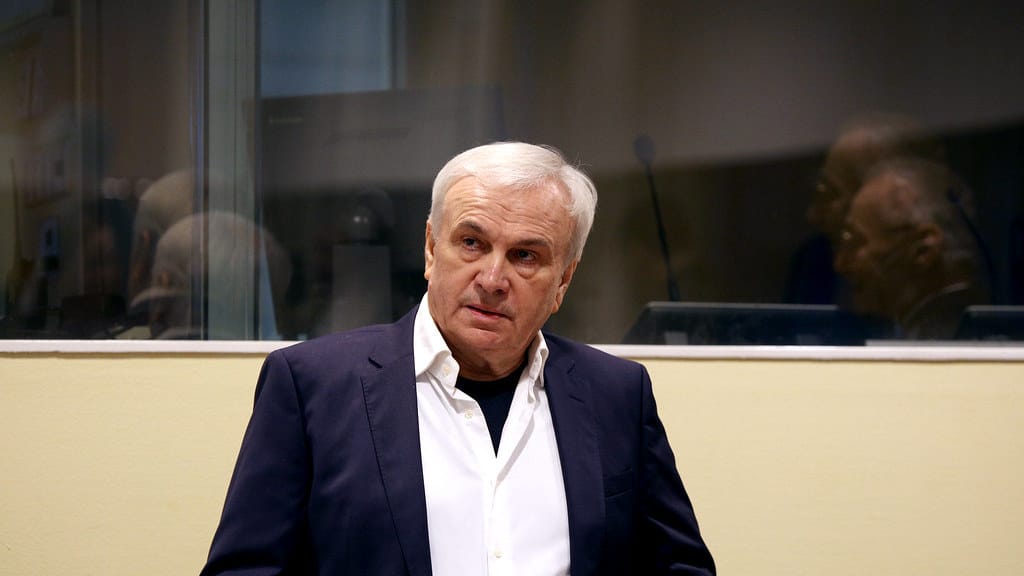
Former Serbian State Security Service chief Jovica Stanisic last week expressed remorse for his crimes – one of the few high-ranking officials to have done so. Another was former Bosnian Serb Army general Radoslav Krstic, in November last year.
However, such expressions of remorse have, so far, been largely condemned by right-wing politicians but also local communities in the countries from which they come.
Why are remorseful defendants labelled as ‘traitors’, while those who celebrate their war crimes are treated as ‘heroes’? War crimes convicts in post-Yugoslav societies seem trapped in the hands of political elites who support the rehabilitation only of those who stubbornly deny the crimes for which they were convicted.
For individuals as well as for society, the remorse of convicted war criminals can represent a form of catharsis. Without acknowledging crimes and then expressing some form of repentance, reconciliation is hardly possible.
Subscribe to Balkan Insight Premium to read the full article.
Please login to your account below if you are already a Premium Subscriber.
Buy Premium Subscription
Our Premium Service gives you full access to all content published on BalkanInsight.com, including analyses, investigations, comments, interviews and more. Choose your subscription today and get unparalleled in-depth coverage of the Southern and Eastern Europe.
If you have trouble logging in or any other questions regarding you account, please contact us