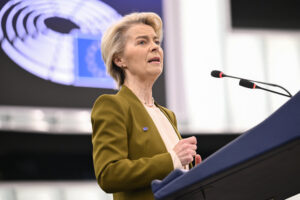
EU politicians celebrate spring in Hungary and prospects for Ukraine improve, but Serbia’s Aleksandar Vucic contemplates a lonelier future without Budapest’s architect of ‘illiberal democracy’ at his side.
 Gjeraqina Tuhina



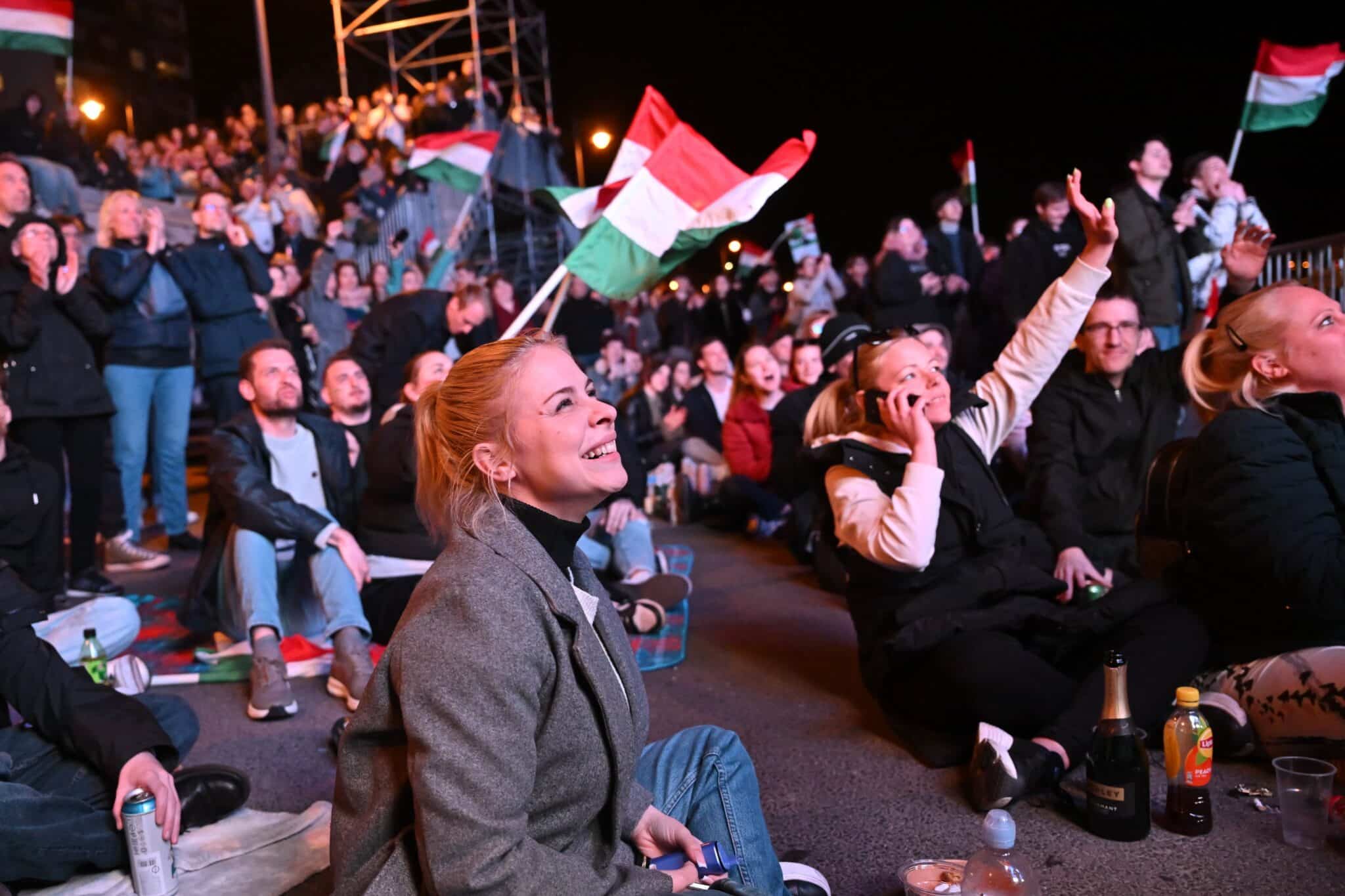
Hello from Brussels, where you could almost feel the collective sigh of relief across EU institutions on the 12th night of the fourth month of this year when the news broke: after 16 years, Hungary’s voters had shown Viktor Orban the door.
The longest-serving prime minister in the European Union — and arguably its most persistent troublemaker — was on his way out. For officials here, it wasn’t just a change of government in Budapest, it was the end of an era of obstruction.
Orban’s vetoes often jammed decision-making, especially on foreign policy and, most critically, on everything to do with Ukraine.
The Hungarian elections — rarely covered with such nervous attention — had Europeans glued to their screens on April 12. It was one of those evenings when champagne bottles sat chilling in fridges but nobody dared pop them open before certainty crystallised. Only when Orban conceded did the corks fly and a distinctive wave of euphoria swept most EU capitals.
Subscribe to Balkan Insight Premium to read the full article.
Please login to your account below if you are already a Premium Subscriber.
Buy Premium Subscription
Our Premium Service gives you full access to all content published on BalkanInsight.com, including analyses, investigations, comments, interviews and more. Choose your subscription today and get unparalleled in-depth coverage of the Southern and Eastern Europe.
If you have trouble logging in or any other questions regarding you account, please contact us