
The figure is the most specific price tag the administration has provided on the U.S. military conflict.
 Connor O\'Brien, Leo Shane III



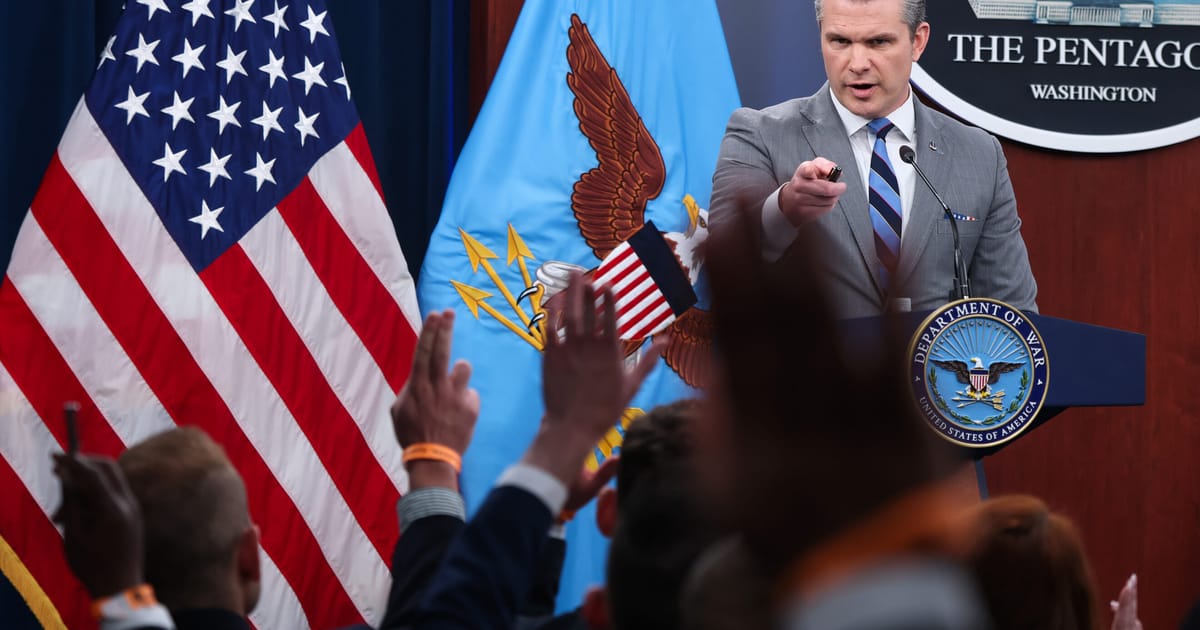
But that figure falls far behind many outside estimates, given the torrid pace of air and sea operations and the costs to restock expensive air defenses. It is also dwarfed by reports that the administration could seek hundreds of billions of dollars to cover the Middle East campaign.
Hurst told attendees at a March defense summit in Washington that the first week of the Iran war cost roughly $11 billion. The $25 billion price tag comes as administration officials discuss a supplemental request of up to $200 million to pay for the conflict and weapons replenishment. Officials, though, have stressed publicly that they haven’t yet settled on a price tag for a supplemental request.
The Pentagon is expected to submit a supplemental funding request soon. Hurst told lawmakers the administration will make it “once we have a full assessment of the cost of the conflict.”
Ranking member Adam Smith (D-Wash.), who asked about the war’s cost, appeared surprised by the Pentagon budget chief’s specificity.
“I’m glad you answered that question, because we’ve been asking for a hell of a long time, and no one’s given us the number,” Smith told Hurst. “So if you could get those details over to us, that would be great.”
The hearing, ostensibly about the administration’s 2027 budget request, quickly turned to Iran and whether the military conflict has produced any real strategic wins for America.