With Giorgia Meloni, Washington has leverage. With the Vatican, it has little more than diplomacy.
 Hannah Roberts



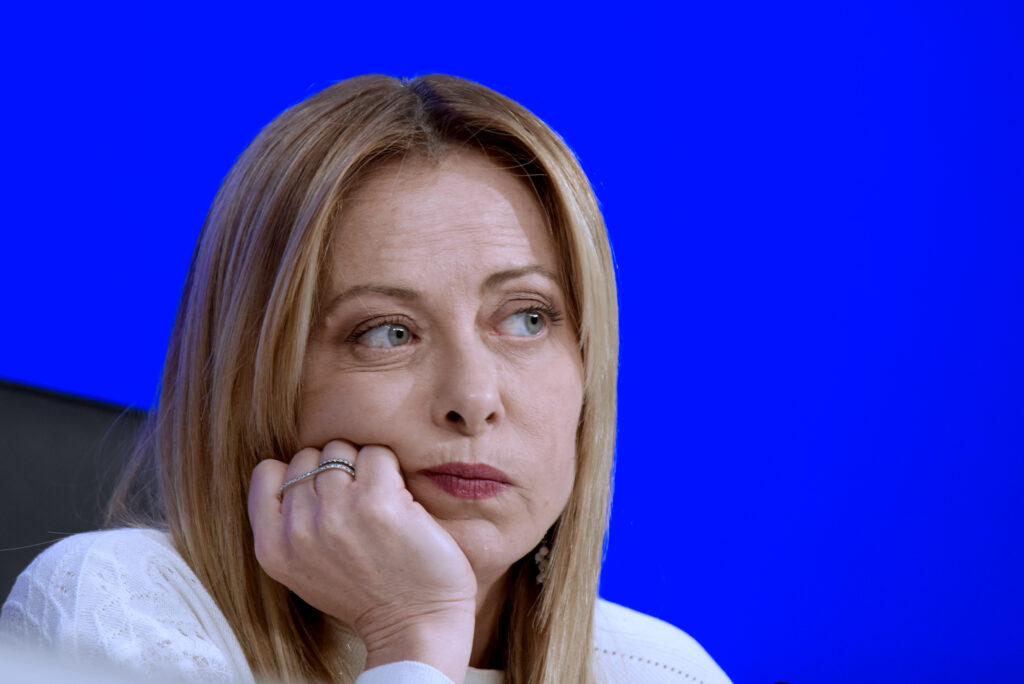
And Crosetto said at an event during Italy’s Armed Forces Day that “in a world that has gone crazy … it is our duty to ensure that Italy can defend itself,” validating Trump’s longstanding demand that NATO allies should do — and spend — more to defend themselves.
Meloni will try to convey alignment when she sits down with Rubio, including through increased defense spending, according to analyst Filippo Simonelli of the Rome-based Istituto Affari Internazionali think tank. And longer-term commitments offer a potential path to ease tensions without requiring immediate public concessions: Crosetto’s meeting is a sign that something could move in that direction, Simonelli argued.
“Italy is not strictly necessary, but the U.S. is losing ground with allies, so reinforcing ties with a middle power may in the end be worth the effort,” continued Simonelli. “They will likely try to find some meeting point and a path forward for cooperation.”
On Wednesday, the leaders of Meloni’s coalition huddled ahead of Rubio’s visit to coordinate strategy. From the Italian perspective, it also helps that the emissary is Rubio, viewed by many in Rome as closer to a pre-2016 Republican internationalist than figures like JD Vance, widely seen in European capitals as hostile to what they regard as freeloading allies.
Rubio has also built goodwill with Rome through cooperation with Tajani on Venezuela, including efforts to secure the release of detained Italians.
At the same time, Meloni is navigating a more complicated domestic landscape. Since the war on Iran, public opinion in Italy has grown increasingly wary of Trump, limiting how far she can go in publicly embracing Washington.