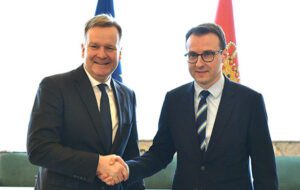

Moscow has lost its main ally inside the EU with the defeat of Hungary’s Viktor Orban. Can the victory of Bulgaria’s Rumen Radev provide the Kremlin with a new disruptor for the European bloc?
 Maksim Samorukov



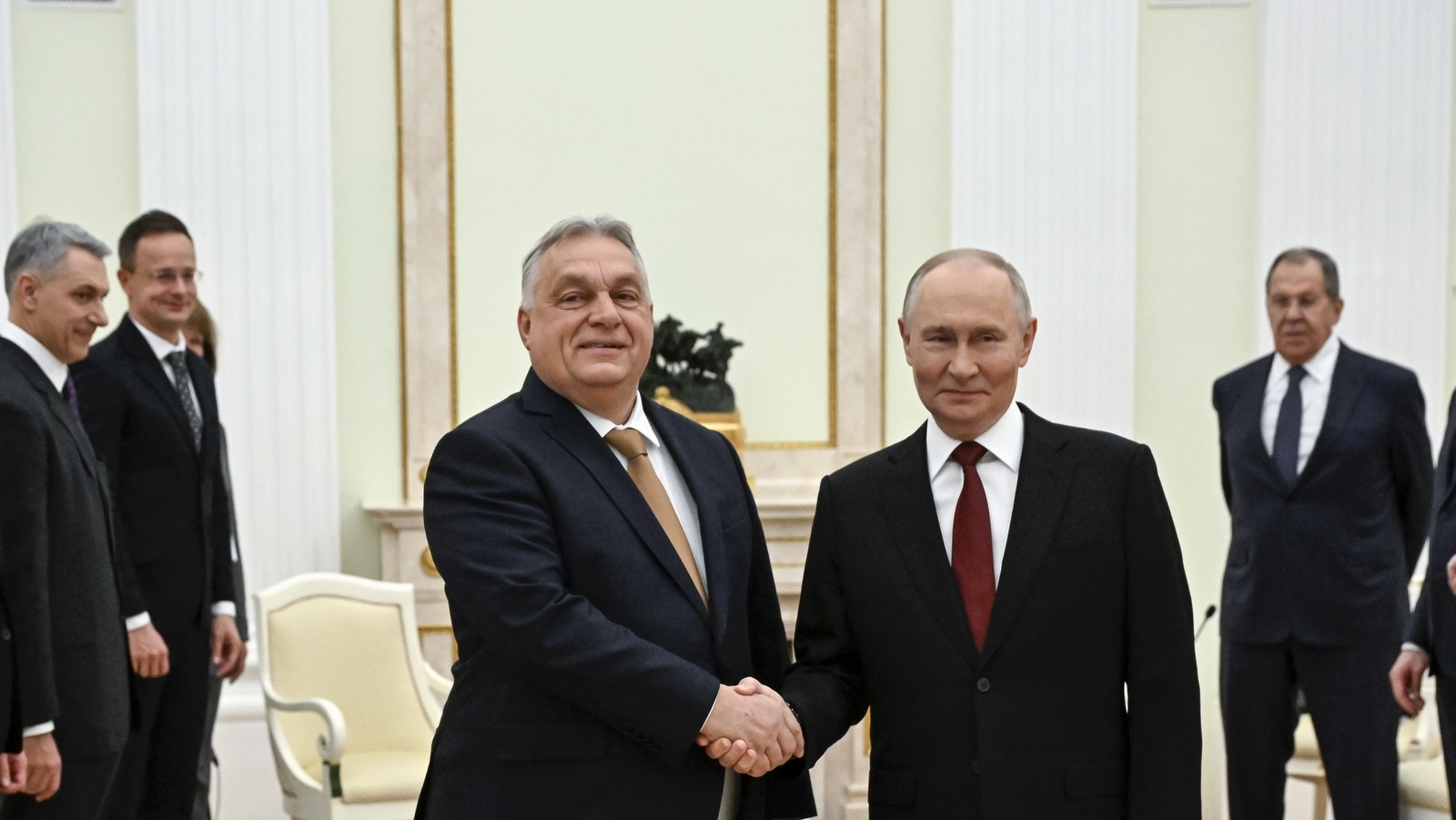
April has brought a major setback for Russia’s influence in Europe. Hungarian Prime Minister Viktor Orban, the EU’s most pro-Russian leader, was voted out after sixteen consecutive years in government. A fervent opponent of assistance to Ukraine and no less fervent supporter of energy imports from Russia, Orban had made it his trademark to veto EU initiatives that irk Moscow.
The Kremlin is trying to put a brave face on the changing of the guard in Budapest, stressing that Russia’s cooperation with Hungary was not about personalities, but the two countries’ national interests. That Orban was not a Russian ally, but merely a pragmatic leader serving his country, which has, after all, been formally declared “unfriendly” by Moscow for joining anti-Russian sanctions.
The narrative goes that if cooperation was possible under such conditions, there are grounds to expect that the new government of Peter Magyar will also take a pragmatic stance as regards Russia.
Subscribe to Balkan Insight Premium to read the full article.
Please login to your account below if you are already a Premium Subscriber.
Buy Premium Subscription
Our Premium Service gives you full access to all content published on BalkanInsight.com, including analyses, investigations, comments, interviews and more. Choose your subscription today and get unparalleled in-depth coverage of the Southern and Eastern Europe.
If you have trouble logging in or any other questions regarding you account, please contact us