

Western Balkan leaders are taking diplomatic sides in the US-Israeli war on Iran and the region faces escalating energy prices – with the economic impact likely to be more serious than any potential security risks.
 Vuk Vuksanovic



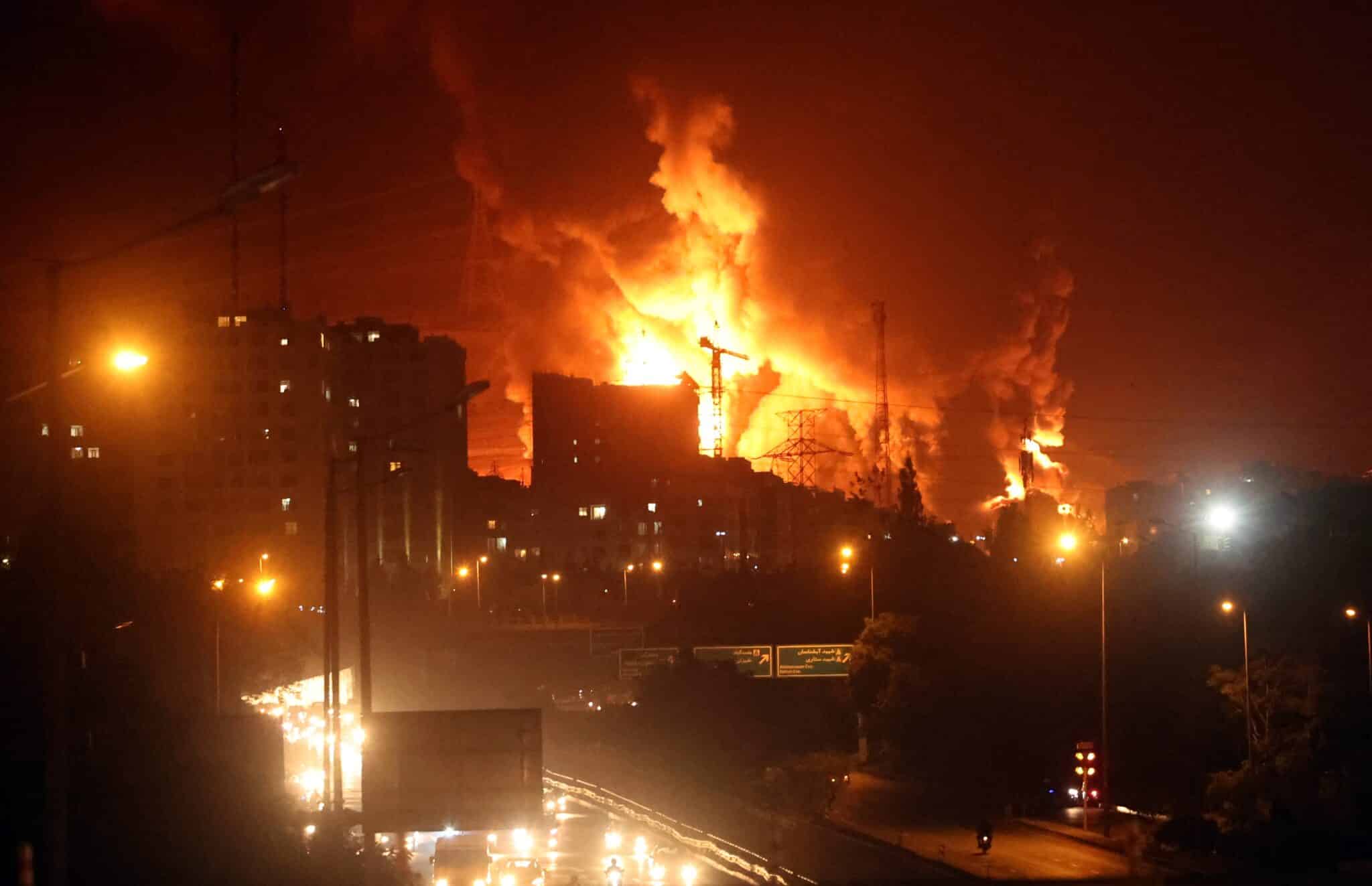
When the US-Israeli war against Iran began, Western Balkan governments evacuated citizens from parts of the Middle East, while diplomatic missions in the region monitored the situation closely. At one point, Albanian security services were on high alert in response to a US report that an Iran-linked group would execute terror attacks against American targets in the country, while Bulgaria conveyed that Iran warned against allowing the US to use Bulgarian facilities for strikes against Iran.
With recent diplomatic talks in Pakistan between Iran and the US failing to produce results, there’s uncertainty about whether the hostilities will renew once the two-week ceasefire expires and the proximity of the Balkans to the Eastern Mediterranean has inevitably raised concerns about spillover effects.
At present, the war is unlikely to destabilise the Western Balkans directly, even as the situation remains fluid. Instead, the region will experience economic, geopolitical, diplomatic, and security echoes of the conflict rather than immediate shockwaves. While the Balkans lie geographically close to the Middle East, their main exposure to the conflict will come indirectly through rising energy prices, diplomatic positioning, and possible security spillovers rather than direct military consequences.