

The Turkish Interior Ministry says almost a million stray animals – mostly dogs – have been ‘collected’ from the streets in the past year, but the fate of the animals is unknown.
 Hamdi Firat Buyuk



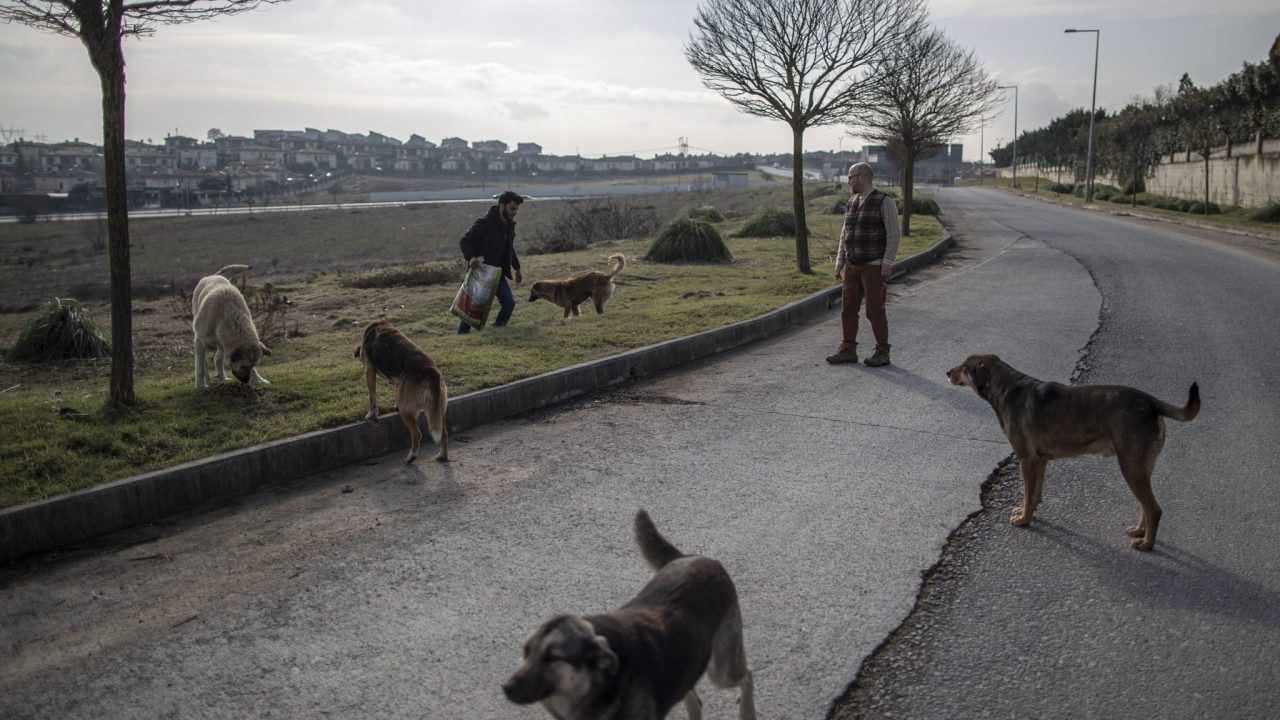
Turkey’s Interior Ministry told a parliamentary commission that almost a million street animals, mostly dogs, have been removed from the country’s streets in the past year in line with changes made to the Animal Protection Law in 2024.
Ahmet Yavuz Karaca, a Turkish Interior Ministry advisor, told the commission that approximately 975,000 stray animals have been “collected” since March 15, 2025 – or 78 per cent of the estimated 1.25 million stray animals when the current policy started.
Karaca said that the previous policy of “neuter and release” had been unsuccessful and that since amendments were made to the law, efforts to reduce the number of street animals have been highly successful.
However, the official did not mention how many of these dogs are being accommodated in shelters and how many were euthanised.
Under the 2024 legal changes, municipalities are required to get strays off the streets and into shelters. Any dogs showing aggressive behaviour or that are found to have untreatable diseases must be euthanised.
Karaca stated that the government is in the process of building a total of 4 million square metres of shelter space across the country and plans to build a further 9 million square metres.
The official said that targets for stray animal collection have been met in 51 provinces and that collection efforts are continuing. “Weekly collection figures, which were previously around 20,000 to 25,000, have now dropped to approximately 2,000 to 3,000,” he added.
Opposition and animal rights groups have argued that a mass neutering campaign would be a better solution. But President Recep Tayyip Erdogan’s Justice and Development Party, AKP, insisted that it was too late for that option.
Since the law was introduced, there have been multiple reports of municipalities culling stray dogs en masse, sparking angry reactions from animal rights groups.