
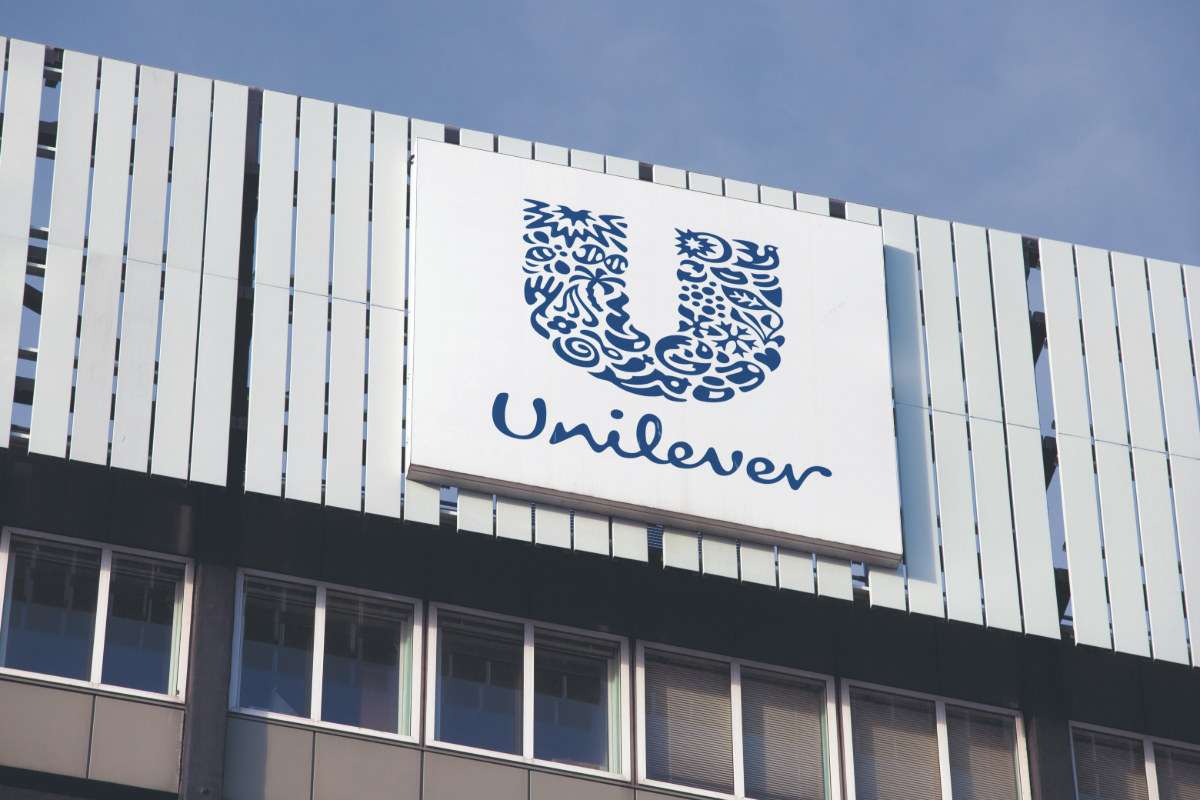
Unilever will lose as much as €500m in the spin-off of its food brands, as revenue fell across nearly all of the conglomerate’s arms. The FTSE 100 consumer goods giant said it will face between €400m and €500m (up to £433m) of “stranded costs” after it offloaded its food brands
 Felix Armstrong



Thursday 30 April 2026 7:19 am | Updated: Thursday 30 April 2026 7:55 am
Unilever will lose as much as €500m in the spin-off of its food brands, as revenue fell across nearly all of the conglomerate’s arms.
The FTSE 100 consumer goods giant said it will face between €400m and €500m (up to £433m) of “stranded costs” after it offloaded its food brands – including Marmite and Hellman’s – in a merger with US spice maker McCormick.
Unilever said: “We expect €400-500 million of stranded costs post the separation, which will be offset with savings over 2027 to 2029, incurring one-off restructuring costs of €500 million over that period.”
The merger created a $60bn food empire but Unilever has since faced investor discontent after shareholders were denied a vote in the deal.
Investors fume over no-vote merger
Chief executive Fernando Fernandez said on Thursday: “We continue to move at speed to build a simpler, sharper Unilever with a structurally higher growth profile and a brand portfolio fit for the future.”
#mc_embed_signup { background: #fff; clear: left; font: 14px Helvetica, Arial,sans-serif; width: 100%; max-width: 600px; margin: 20px 0; } #mc-embedded-subscribe-form { margin: 20px 0 !important; } .newsletter-form-flex { display: flex; gap: 0; align-items: center; margin-top: -10px; } .newsletter-form-flex input[type=”email”] { flex: 1; padding: 2px 10px; border: 1px solid rgb(18, 22, 23) !important; border-radius: 12px 0 0 12px !important; } .newsletter-form-flex input[type=”submit”] { padding: 4px 10px !important; margin: 0 !important; background-color: rgb(18, 22, 23) !important; color: rgb(255, 255, 255) !important; border: 1px solid rgb(18, 22, 23) !important; border-radius: 0 12px 12px 0 !important; } .newsletter-banner-content { margin-bottom: 15px; } .newsletter-banner-content h2 { margin: 0 0 10px 0; font-size: 18px; font-weight: 600; } .newsletter-banner-content p { margin: 0 0 10px 0; line-height: 1.5; } .newsletter-banner-content ul, .newsletter-banner-content ol { margin: 0 0 10px 20px; } .newsletter-banner-content a { color: #0073aa; text-decoration: none; } .newsletter-banner-content a:hover { text-decoration: underline; } .newsletter-banner-content img { max-width: 100%; height: auto; margin: 10px 0; } #mc_embed_signup #mce-success-response { color: #0356a5; display: none; margin: 0 0 10px; width: 100%; } #mc_embed_signup div#mce-responses { float: left; top: -1.4em; padding: 0; overflow: hidden; width: 100%; margin: 0; clear: both; }
But some shareholders in the blue-chip firm told City AM they feel the megamerger “felt rushed” and should have been put to investors.
Jack Martin, portfolio manager at Oberon and a Unilever investor, said: “It’s not great if you’re a big fund and you own five per cent of the company, you’re the owner, you should have a say – that’s not ideal.”
Announcing the offloading of its food brands, which include Hellman’s and Marmite, Fernandez said in March the spin-off would help to slim down the sprawling group.
Read more Unilever gets Marmite reaction to McCormick deal as investor fury spreads
He said: “For Unilever, this transaction is another decisive step in sharpening our portfolio and accelerating our strategy towards high-growth categories.”
The merger will be complete by midway through next year at the latest, Unilever said.
Unilever revenue falls
The company saw revenue dip in the first three months of 2026 in its beauty and wellbeing (five per cent), home care (three per cent) and food (six per cent) arms, according to an update on Thursday.
Only its personal care brands saw revenue grow, by 0.6 per cent to €3.3bn, with overall group revenue falling by three per cent to €12.6bn.
The company has lurched towards its beauty and bodycare brands since the arrival of Fernandez as boss.
The chief executive said on Thursday: “Despite heightened macroeconomic uncertainty, […] we remain confident of delivering on our guidance for the year ahead.”
The food and consumer goods giant was formed in 1930 following a merger between Dutch margarine maker Unie and British soap producer Lever, and is headquartered in London.
Read more Co-op merger to bring huge shakeup to retail and funeral giant
Similarly tagged content: Sections Categories People & Organisations