






Introduction
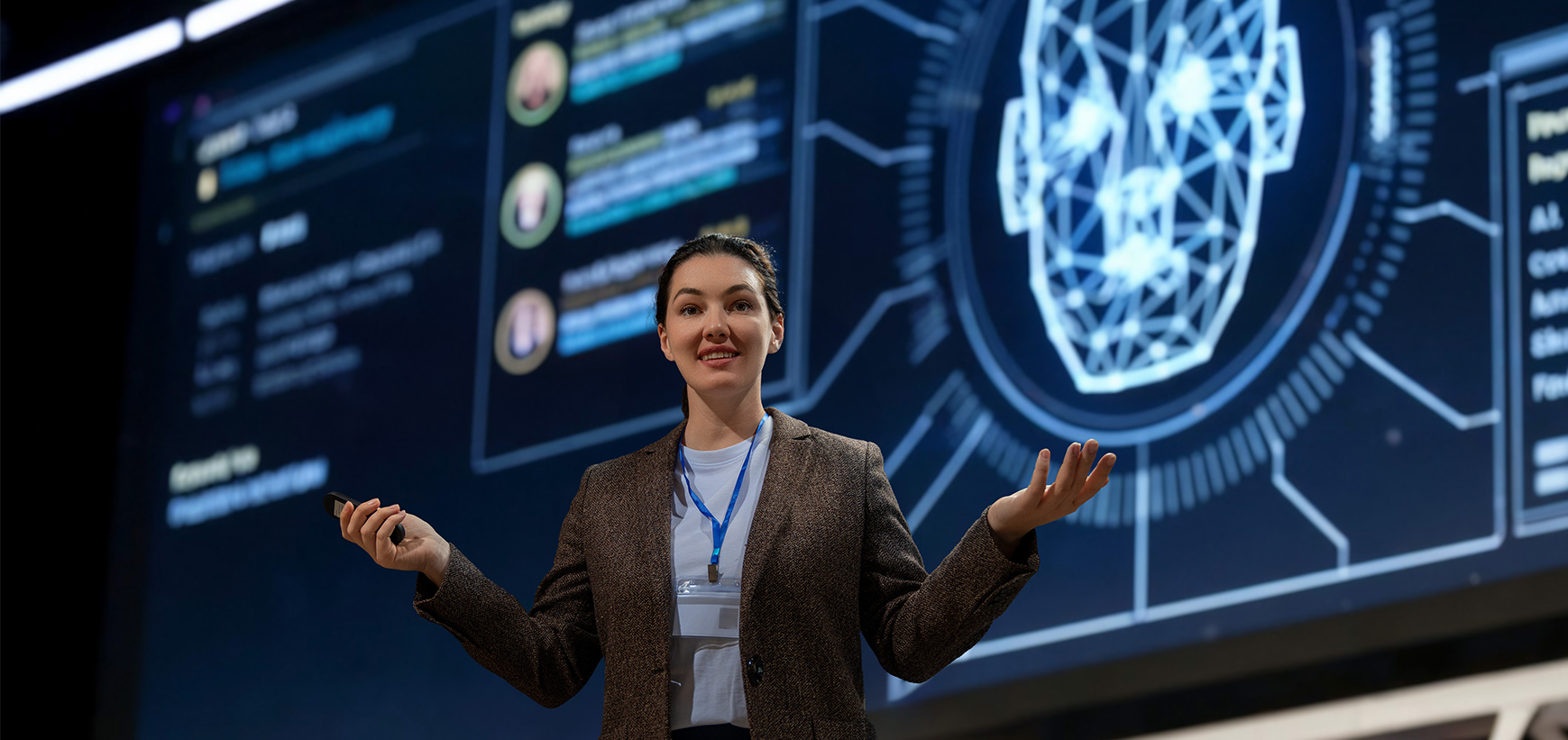
Personalization is a requirement in 2025, driven by shrinking attention spans and abundant data. Hyper-personalization, powered by AI and real-time analytics, delivers tailored experiences at scale. A 2024 Salesforce report found 71% of consumers expect real-time, contextual interactions, pushing brands to adapt or lose relevance.
What is Hyper-Personalization?
Hyper-personalization uses AI, machine learning, and behavioral data to deliver dynamic, individual experiences in real time by:
- Predicting customer needs
- Customizing micro-moments
- Scaling content delivery
It’s the intersection of data, automation, and relevance.
Why It Matters Now
| Factor | Impact |
| AI Adoption | 78% of marketers use AI for personalization (Gartner, 2024) |
| Consumer Expectations | 71% demand contextual interactions (Salesforce, 2024) |
| Platform Evolution | Google, Meta, and Shopify offer AI-native personalization APIs. |
Key Technologies Driving Hyper-Personalization
- Customer Data Platforms (CDPs): Centralize behavior and CRM data (Segment, Adobe Real-Time CDP).
- AI-Powered Content Engines: Generate and test ad copy (Jasper, Copy.ai).
- Behavioral Predictive Models: Recommend actions based on user behavior (Insider).
- Real-Time Experience Delivery: Adjust offers dynamically (Optimizely).
Use Cases Across the Funnel
- Top of Funnel: Personalized ad creatives based on browsing history.
- Middle of Funnel: AI chatbots adapting tone in real time.
- Bottom of Funnel: Retargeting emails reflecting cart history and location.
Strategic Implementation Framework
- Data Collection: Install event tracking, unify CRM data.
- Segmentation: Use AI for high-LTV micro-segments.
- Content Mapping: Generate dynamic content variants.
- Delivery: Automate delivery at optimal times.
- Analysis: A/B test and analyze ROI by cohort.
Case Study: Personalization ROI
A D2C skincare brand used AI-generated landing pages based on skin type, achieving:
- +38% conversion rate
- -24% customer acquisition cost
- +62% returning customer rate
A 2025 Seekler survey found 65% of D2C brands saw similar ROI with AI personalization.
Challenges to Watch
- Data Overload: Strategize to avoid chaos.
- Privacy: Comply with GDPR and user consent.
- Over-Personalization: Avoid invasive targeting.
Tip: Use human-centered design to balance AI suggestions with ethics.
Final Thoughts
By 2030, brands that master hyper-personalization will lead with automated intimacy, not mass outreach.



test