
Budget airline says passengers are leaving it later to book flights owing to economic uncertaintyBusiness live – latest updatesMiddle East crisis – live updatesThe budget airline easyJet has warned the impact of the Iran war on bookings and oil prices will hit its profits, having driven up fuel costs by
 Gwyn Topham Transport correspondent



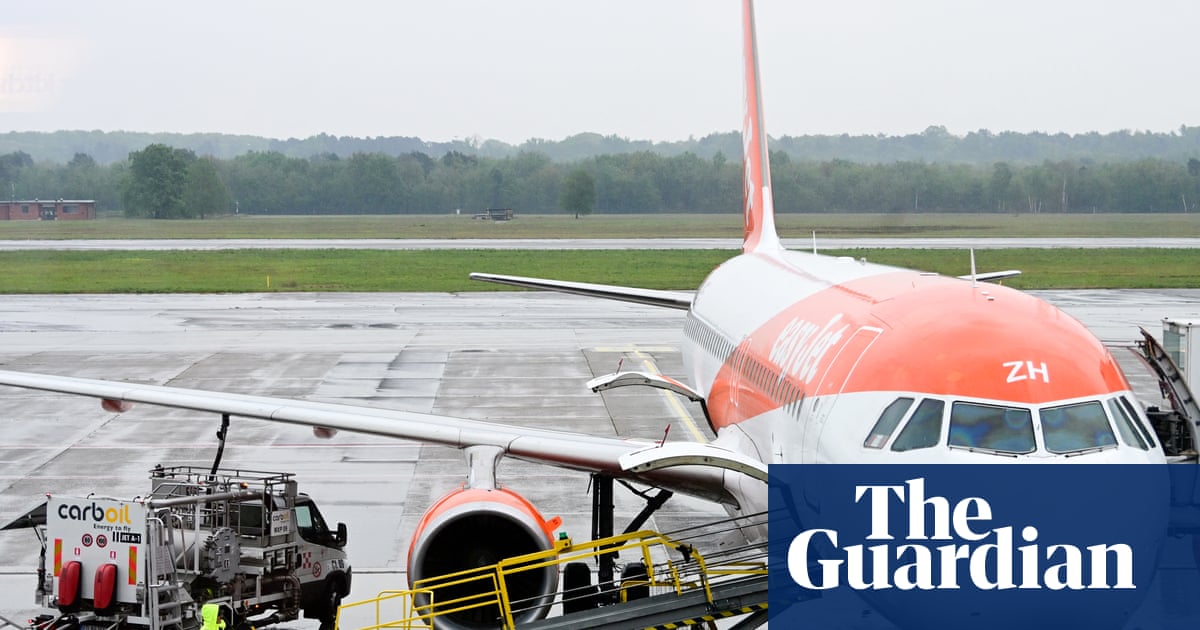
The budget airline easyJet has warned the impact of the Iran war on bookings and oil prices will hit its profits, having driven up fuel costs by £25m in the last month alone.
It said it expected to report an increased pre-tax loss of £540-£560m for the six months to March, up from £394m in the first half of 2024-25. The carrier typically makes its money in the second half of the year which includes the peak summer period.
It remains confident in its fuel supply, having hedged 70% of its needs for the rest of the financial year to September.
However, easyJet said that each $100 (£74) movement in the spot price jet of fuel per metric tonne was adding £40m in costs for its unhedged supply – and currently the price is about $800 higher than before the conflict started.
Its chief executive, Kenton Jarvis, said demand remained strong in the short term but customers were leaving it later to book, owing to the economic uncertainty.
However, he said fuel supplies were as normal and said any talk of having to cancel flights – a possibility raised by Ryanair’s Michael O’Leary for later in the summer, should the strait of Hormuz remain closed – was pure speculation. Jarvis said: “We have visibility to the middle of May and we have no concerns.”
He said there was “continued positive demand” but easyJet’s financial performance “worsened year on year, impacted by the conflict in the Middle East and the competitive environment in some markets. Following our busiest Easter holiday period ever, the operational ramp up into peak summer continues as planned.”
Jarvis admitted customers were hesitant to plan ahead, with a “general shortening of the booking window as people wait till close to the point of departure to book”.
But he added: “We’re also seeing a relatively strong late market initially in March.”
And he said “after an initial drop in places like Egypt, Turkey and Cyprus, after the drone in Akrotiri, we’ve actually seen that coming back a bit. If there is any shift, it’s a little bit away from the eastern Med and a little bit towards the western Med.”
Shares fell 3% in early trading.