

Witness accounts and watchdog reports point to widespread physical and verbal abuse, neglect, restraint and sedation in understaffed care homes in Croatia for the elderly and those with mental disabilities.
 Tomislav Kukec



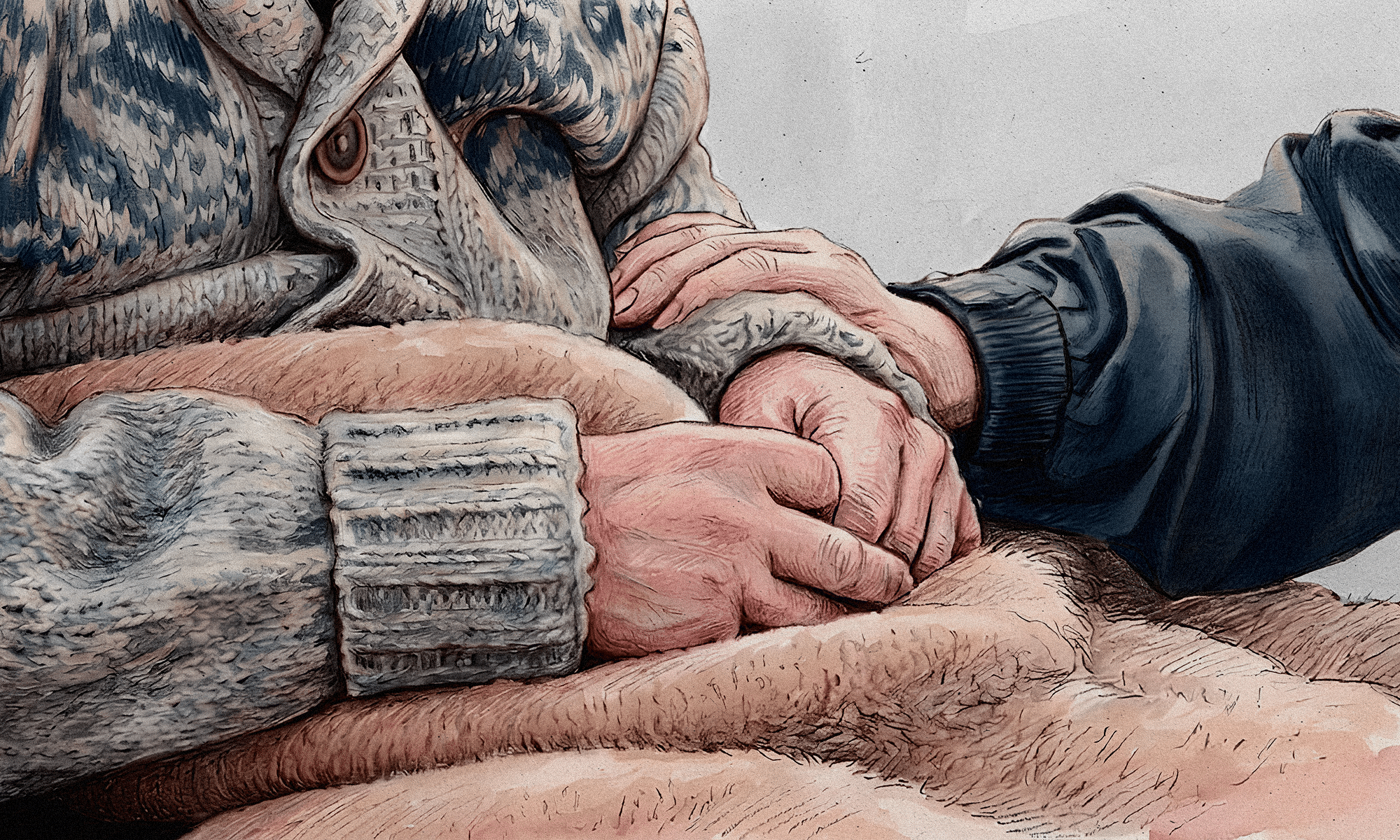
Staff shortages are a major problem.
Another woman described her 80-year-old mother’s experience of residential care in an understaffed facility. She also spoke on condition of anonymity, fearing, like others, that her mother might be treated even worse by her carers.
The woman recounted how her mother had woken in the night needing to go to the toilet. On the way, she slipped and fell, but no one heard her calls for help.
“She was completely wet,” the woman said. “Somehow, she managed to take off her nightgown and crawl to the bed where her phone was and called us. It was around one in the morning. She told us what had happened and that she couldn’t get up. We immediately called the home, but no one answered the phone.”
The woman ended up having to drive to the home in the middle of the night.
“It had already been at least an hour, an hour and a half before we managed to get there,” she recalled.
“All that time we kept calling the home, but no one answered. We came to the security guard, who was asleep, and woke him up and told him what had happened. We were very frightened and wanted to get to my mother’s room as soon as possible, but he wouldn’t let us. It was already around two or three in the morning, and we were desperate.”
The security guard let the family in only when the on-duty staff failed to pick up.
They found the women’s mother naked on the floor.
“I cannot describe how a person feels on seeing such a scene,” she said. “And she is in a high-care unit, where nurses should be checking on residents frequently and monitoring how they are. No one heard her calling for hours nor checked the room.”
The Office of the Ombudsperson has also highlighted the issue of understaffing. Accompanying its 2025 report, the Office submitted to parliament a letter from a residential care employee describing an average workday, in which nine staff members rotate across three to four shifts to provide 24-hour care for 76 residents.
“We are doing a humane job in an inhumane way, because we have only four minutes per resident for care,” the employee wrote.
“Imagine waking up in the morning and, within four minutes, having to shower, wash your hair, dry your hair, brush your teeth, get dressed, change the bedding, make yourself coffee, drink that coffee, prepare breakfast, eat that breakfast, and say a few words to your family – and only then go to work. And not just one day, but every day.”
“Now imagine what it’s like when it comes to an immobile resident and we have to provide all care, meet all hygiene needs of one person within four minutes.”
“We can no longer physically or mentally endure this pace, pressure, and stress, because we feel undervalued, tired, exhausted, and at the limit of our strength.”
Lack of meaningful activities