



Living in Bulgaria is becoming a very popular choice for many people. They want the benefits of European Union residence without the high prices found in Western Europe. For years, Bulgaria has held its spot as one of the cheapest countries in the EU. However, the cost of living in Bulgaria can change drastically depending on which city you choose. The difference in price between cities can be as wide as the gap between different countries in the region.
This guide looks at ten Bulgarian cities to show you how geography, money, and culture change the price tag. From mountain towns where €400 covers a month to the capital city, where a room can cost much more, Bulgaria offers a wide range of choices. You can find a lifestyle that fits your budget without giving up on quality.
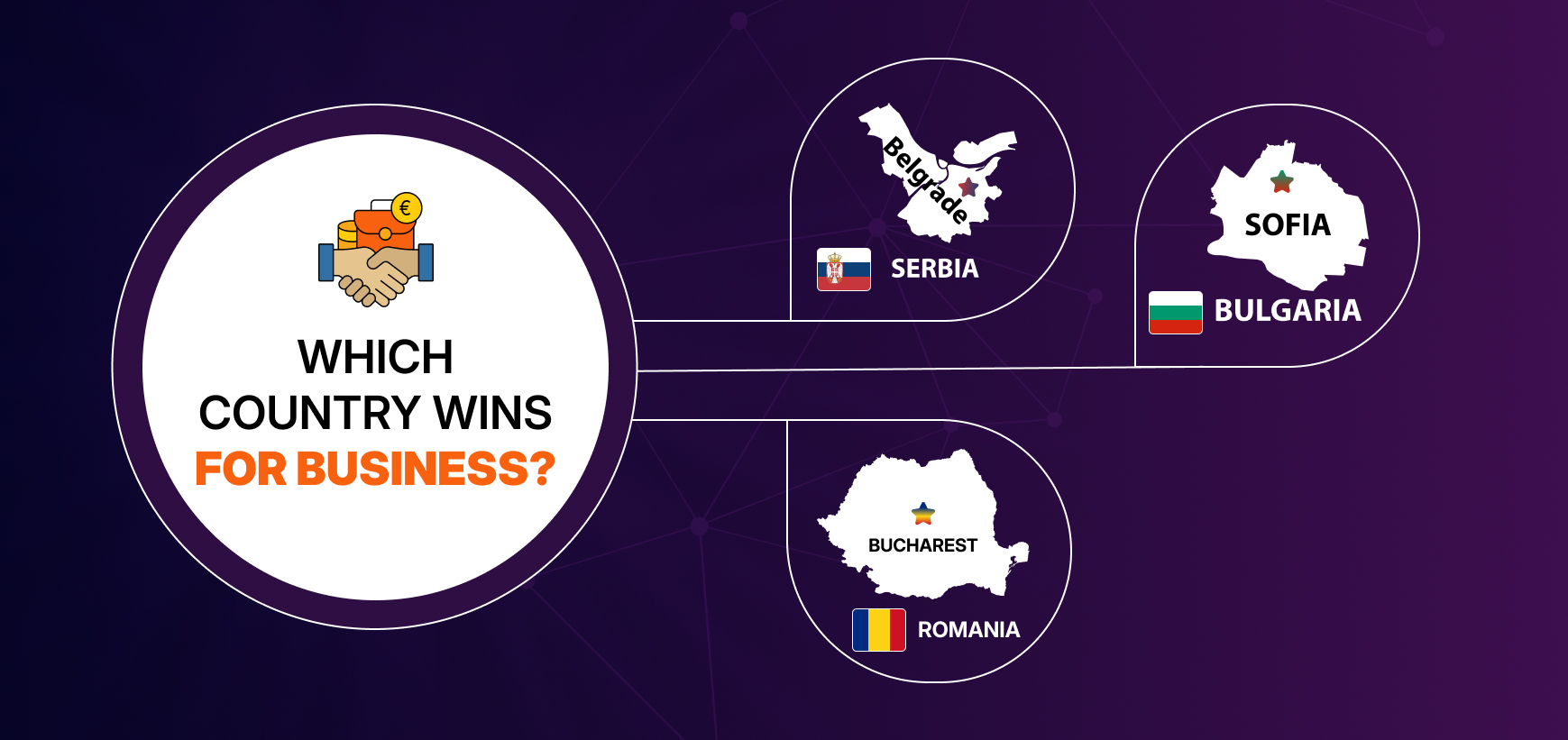
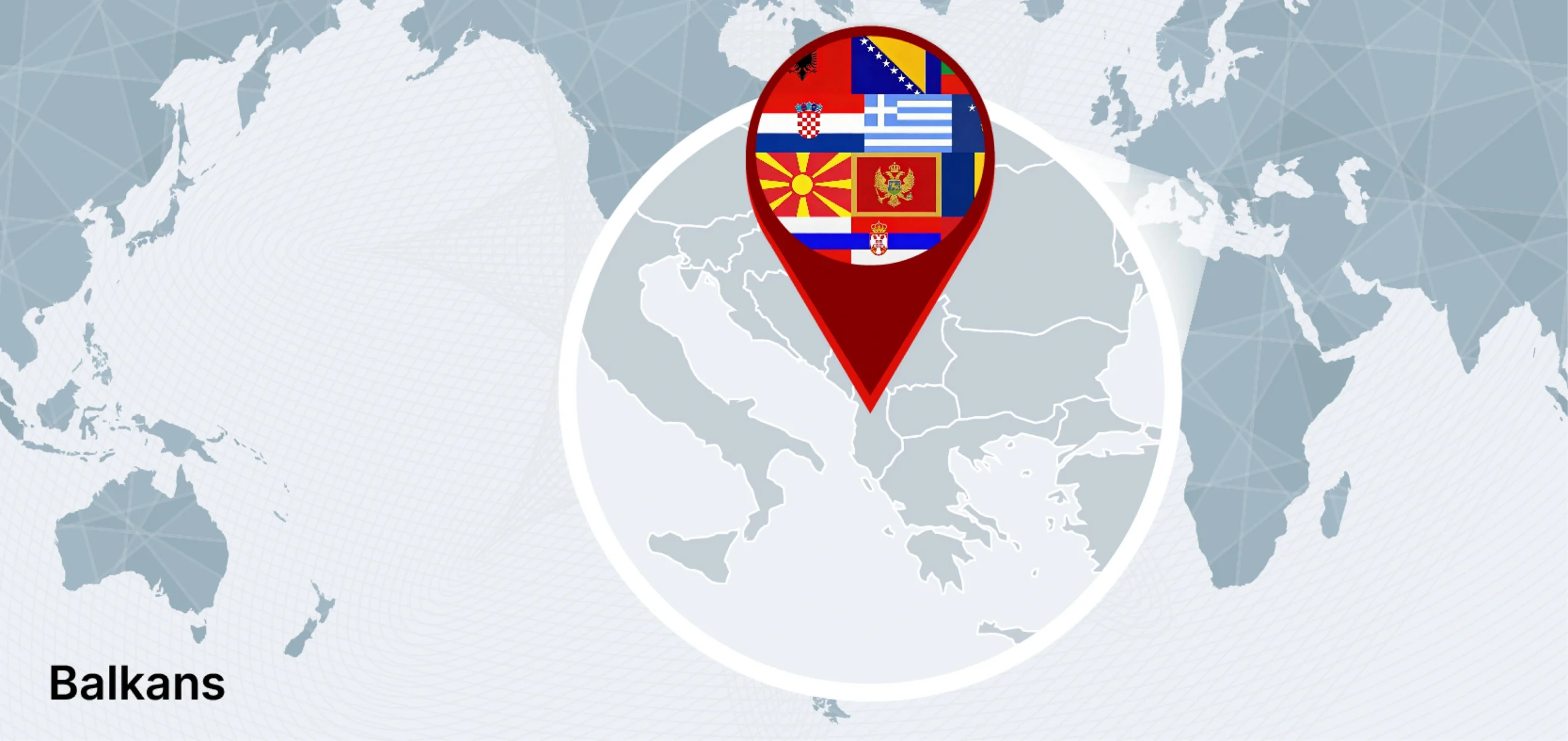
It is important to understand how these factors affect your wallet. It helps to see where Bulgaria fits in the Balkan region. While places like Belgrade and Bucharest are getting more expensive, Bulgaria still offers great value. Let’s break down the costs from the cheapest cities to the most expensive ones.
Understanding Bulgaria’s Cost Landscape
The Bulgarian economy works in two different ways. In big cities like Sofia and Plovdiv, you have premium zones that feel like Western Europe. The prices there are higher. But in the smaller cities, life is much cheaper. Prices there feel like they did years ago. It is not just about cities versus villages; it is about how the economy grows in different spots.
Unlike neighbors such as Romania and Croatia, where prices jump up in the summer for tourists, Bulgarian cities tend to keep steady prices year-round. The city that is cheap today will likely be cheap in five years. This stability makes it easier to plan your life. Affordable living in Bulgaria is not just a trend; it is a reality in many places.
The local culture also plays a role. Many people in Bulgaria prefer a slow-paced life. They focus on community rather than buying expensive global brands. This keeps living costs in Bulgaria low. You can live a good life here without falling into the trap of high consumption.
Here is the ranking of the top 10 cities, from the easiest on your wallet to the most expensive.
1. Vidin: The Most Affordable Urban Center
Vidin takes the top spot as the cheapest place to live. It is located in the northwest.
- Monthly Total: About €450–€600 (including rent).
- Rent: A one-bedroom flat in the center costs about €150. Outside the center, it drops to around €100.
- Groceries: Very low, reflecting local wages.
Vidin has faced some economic struggles since the 1990s. The population has gone down, and industry has slowed down. While this sounds sad, it is actually good news for your budget. Low demand means very low prices. Tourists do not really come here, so prices are set for locals, not visitors. If you want to stretch your money as far as possible, Vidin is the place to be.
2. Montana: Industrial Legacy, Budget Reality
Montana is next on the list. It is an industrial city with a socialist past.
- Monthly Total: Around €500–€650.
- Rent: Central apartments cost about €160. Outside the center, expect to pay €110.
- Food: Fresh vegetables are €0.40 to €0.80 per kilo. Bread costs less than half a Euro.
Montana is cheap because it is a bit isolated. It does not have the best road connections to the rest of the country. This “dead-end” location keeps prices down. For about €500 a month, you can live a solid middle-class life here. That amount of money would barely get you a small apartment in the capital city.
3. Sliven: The Mountain Gateway
Sliven costs a bit more, but it offers great geography. It sits right below the Balkan mountain range.
- Monthly Total: €500–€600.
- Rent: You can find central apartments for €180–€200.
- Dining: A modest meal costs €4 – € 6. A gym membership is under €20.
Sliven is interesting because it keeps prices low on purpose. Even though it has nice countryside and heritage, it does not try to hike prices up. The city focuses on its own economy rather than chasing trends. Bulgaria’s living expenses are very manageable. You get the mountain views without the resort price tag.
4. Stara Zagora: Mid-Tier Stability
Stara Zagora is where you start to see more economic growth. It is known for its breweries and farming.
- Monthly Total: €670–€800.
- Rent: The average rent is about €220.
- Services: Healthcare and cultural events are better here than in smaller towns.
This city offers a paradox: it is affordable, but the services are good. You get reliable infrastructure and a lively cultural scene. The costs are well below those in Western Europe, but the quality of life is high. It is a great balance if you want something more than a small village but still want affordable living in Bulgaria.
5. Pleven: The North’s Economic Backbone
Pleven is in the north and acts as a regional hub. It has a strong government presence.
- Monthly Total: €690–€820.
- Rent: Central apartments go for about €230.
- Transport: A monthly pass is less than €15. A good meal is €5–€7.
Pleven is slightly more expensive than Stara Zagora, mostly due to its location and government jobs. The salaries here are a bit higher than in tiny towns, which allows people to spend a little more. It is a solid, functional city. It is not the cheapest, but it is not expensive either.
6. Ruse: The Danube Trade Crossroads
Ruse is known as “Little Vienna” because of its beautiful architecture. It sits on the Danube River, right across from Romania.
- Monthly Total: €700–€900.
- Rent: Prices vary, but generally, they are lower than in the big seaside cities.
- Vibe: High living with a younger population.
Ruse feels more international because of its border location. However, it manages to keep housing costs lower than in the coastal areas. It is a creative city with a lot of history. You get a high standard of living here without paying the premium prices found in tourist traps.
7. Burgas: Industrial City with Sea Access
Burgas is on the Black Sea coast. It is the second-largest city in the country, but it is an industrial and commercial hub first.
- Monthly Total: €800–€1,000.
- Rent: Central flats are €280–€320. Near the beach, they rise to €350–€400.
- Food: Fresh fish is €4–€6 per kilo.
Burgas is special because it has the sea but avoids the massive summer price hikes of pure resort towns. The pricing here is for residents, not just tourists. You get the coastal breeze and the urban system combined. It is a great mix of city and sea life.
8. Varna: The Premium Coastal Stay
Varna is the “Summer Capital” of Bulgaria. It is the main beach resort hub.
- Monthly Total: €930–€1,150.
- Rent: Central apartments rent for €350–€400.
- Lifestyle: This is a dual-economy world with professional tourists and expats.
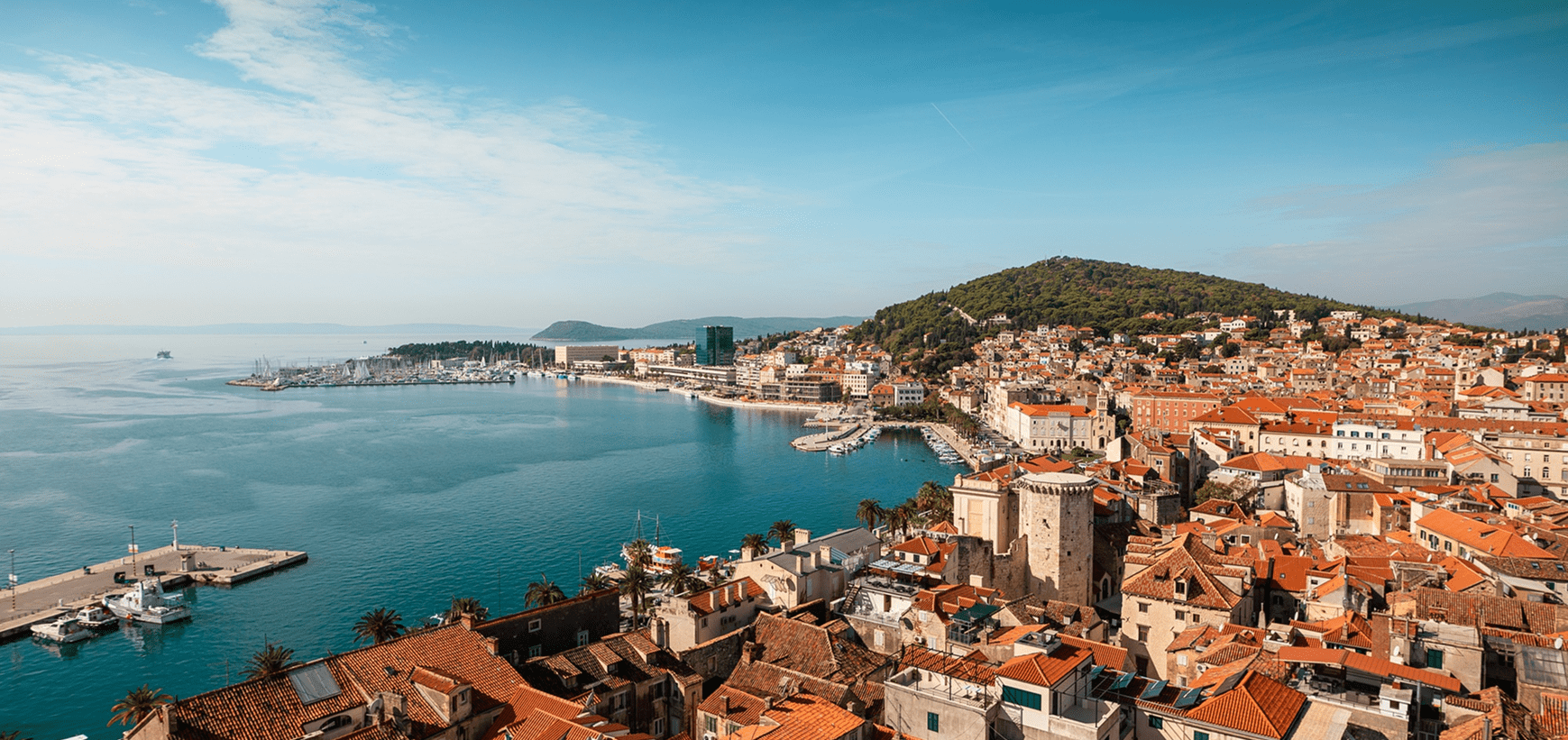
Varna is more expensive because of the international tourism and the large expat community. However, compared to similar cities in Croatia or Greece, it is still a bargain. You save about 25% to 30% compared to places like Split. If you want a coastal life with EU connections, Varna is the place.
9. Plovdiv: The Cultural Heart
Plovdiv is the cultural capital and one of the oldest cities in Europe. It was the European Capital of Culture in 2019, which sped up growth.
- Monthly Total: €950–€1,200.
- Rent: Rents in the center are €350–€420.
- Scene: A wild mix of international dining and drinking spots.
Plovdiv is seeing “gentrification.” This means old buildings are being fixed up, and prices are going up. The city is competing on culture and art, not just low prices. It is more expensive than the smaller towns, but you get a very trendy, artistic lifestyle in return.
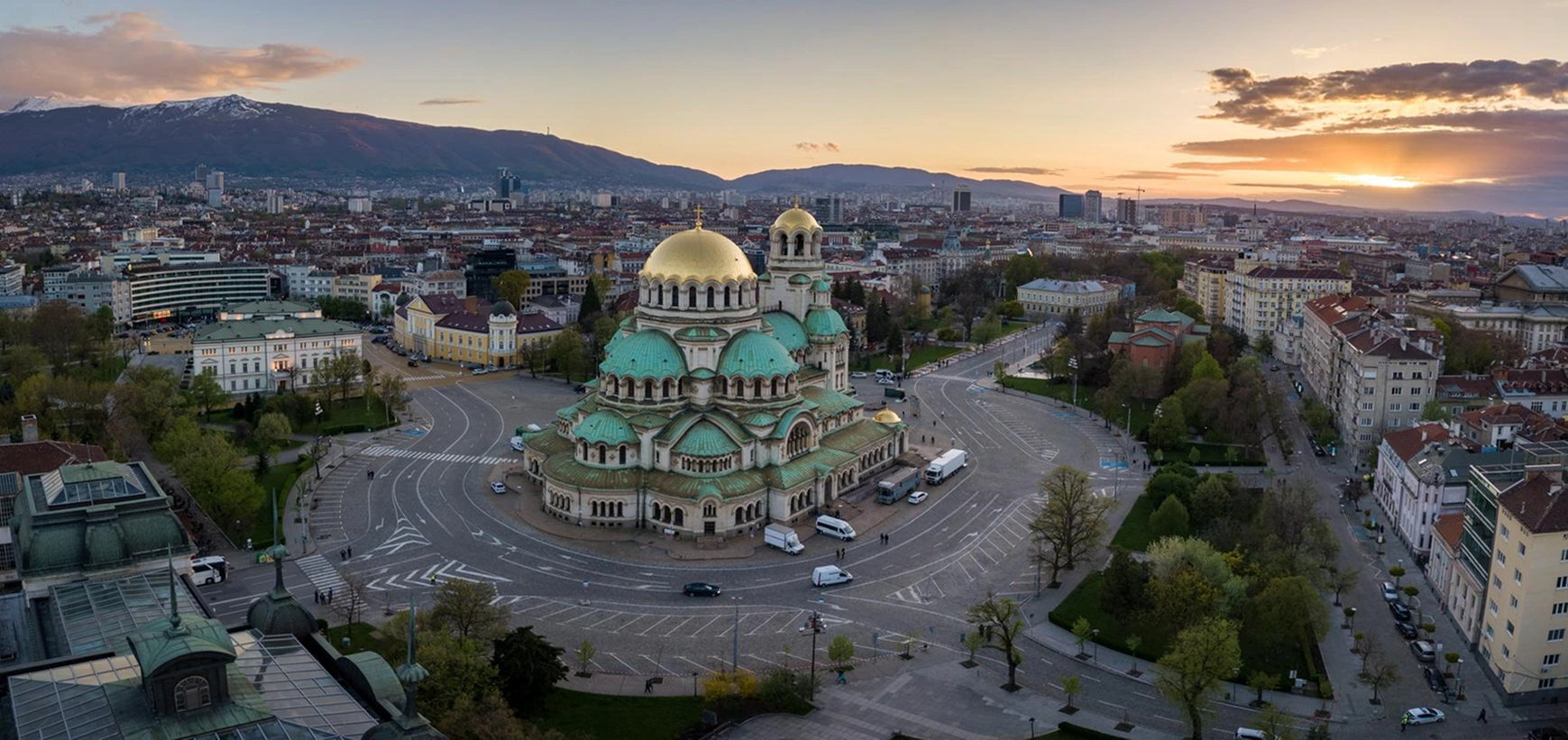
10. Sofia: The Capital
Sofia is at the top of the list. It is the political and economic heart of the country.
- Monthly Total: €1,100–€1,450.
- Rent: A one-bedroom downtown unit is €400–€500. Best districts can be €600–€700.
- Dining: A meal out is €8–€12. A gym membership is €35–€50.
Sofia is the most expensive city in Bulgaria. However, it is still the cheapest capital city in the EU by a long shot. Living here costs 40% to 50% less than in Bucharest and 60% less than in Zagreb. It attracts digital nomads and businesses because it offers a European presence at a much lower cost.
What This Ranking Tells Us
This list shows that living costs in Bulgaria depend on where you plant your feet. The gap between Vidin and Sofia is huge. We are talking about a difference of over €700 a month. This is not just about money; it is about lifestyle.
In the cheaper cities, you get a “real” Balkan experience. It is slower, and the infrastructure might be older. In the budget-friendly cities, you’re getting the authentic, no-filter Balkan experience. Life moves a bit slower there, and yeah, the infrastructure might show its age a little. But then you’ve got the pricier spots like Sofia and Plovdiv, where everything feels faster. more modern, and there’s always an event going on. It’s not really about one being “better” than the other they just offer completely different vibes.
And honestly, when it comes to money, Bulgaria is still playing a different game than its neighbors, like Serbia and Croatia. While prices all over the Balkans are creeping up, Bulgaria is managing to keep things reasonable. It’s still hands down the best value in the region if you want that European lifestyle without the painful Western European price tag.
Conclusion
At the end of the day, the cost of living here really does cover the whole spectrum. You could settle down in Vidin, watch the Danube roll by, and spend maybe €450 a month. Or, if you crave the energy of a big capital, you can pick Sofia for around €1,100. The trick is just figuring out what fits your wallet and your style.
If you’re thinking about making a move to the Balkans, Bulgaria should definitely be on your radar. It hits that sweet spot between low costs and actually a really good quality of life. Whether you’re working from your laptop, looking to retire, or just want a fresh start, there’s a spot in Bulgaria that won’t break the bank.
Frequently Asked Questions
1. What city in Bulgaria is the cheapest to live in?
Vidin is currently the cheapest. You can live there for about €350 to €450 excluding rent, or around €500 total. Rent in the center is only about €150 a month.
2. How does the cost of living in Bulgaria compare to other Balkan countries?
Bulgaria is generally the cheapest among the EU countries in the Balkans. Sofia is 30% to 40% cheaper than Bucharest. The rest of the country is much cheaper than many Serbian or Croatian cities.
3. Can an expat live comfortably on a Western salary?
Yes. In Sofia, a salary of €1,200 to €1,500 provides a very comfortable life. In Plovdiv or Varna, €1,000 to €1,200 goes a long way. In cities like Vidin or Montana, even €700 to €900 is enough for a secure life.
4. Is there a big difference in lifestyle between cheap and expensive cities?
Yes. In cheaper cities like Vidin, life is slower, and infrastructure is more basic. In inexpensive cities like Sofia, you have better services, cultural events, and a more international feel.
5. Are living costs in Bulgaria rising fast?
Prices in Sofia and Plovdiv are rising by about 5% to 8% a year due to investment. In smaller towns, the rise is slower, around 2% to 4%. Experts expect Bulgaria to remain competitive for at least another decade.