




When you think about where to put your money or start a new company, the Balkans might not be the first place that pops into your head. But they should be. The region is shedding its old reputation and is now one of the most dynamic places in Europe. If you are looking for the fastest-growing Balkan economies for business, you are looking in the right direction for Balkan business.
We are not just talking about small shops opening up. We are talking about tech hubs, massive infrastructure projects, and tourism industries that are breaking records every year. In this article, we will break down the top 10 countries where you should be looking in 2026. These are the emerging business markets in the wider Balkans that offer the best bang for your buck.
Why the Balkans Are Growing Fast
Before we get to the list, let’s talk about why this is happening now. It is a mix of things.
- EU Integration: Many countries are working hard to join the European Union. This forces them to fix their laws and stabilize their money, which makes business safer.
- Digital Leap: The region skipped the old landline internet phase and went straight to high-speed fiber. This makes it perfect for tech companies.
- Cost: It is still much cheaper to run a business here than in Paris or London.
Now, let’s look at the Balkan economic growth countries that are leading the pack.
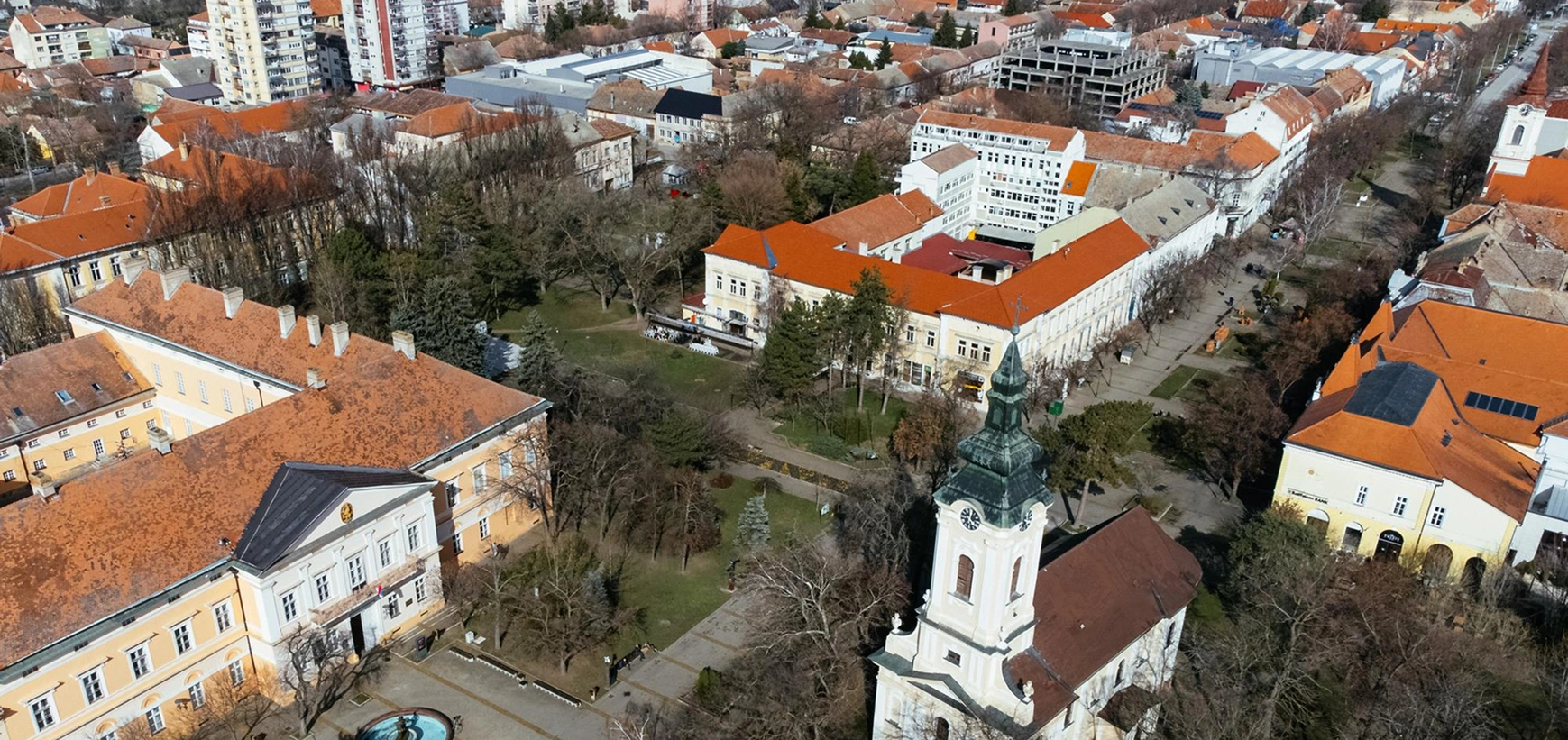
1. Serbia: The Tech Powerhouse
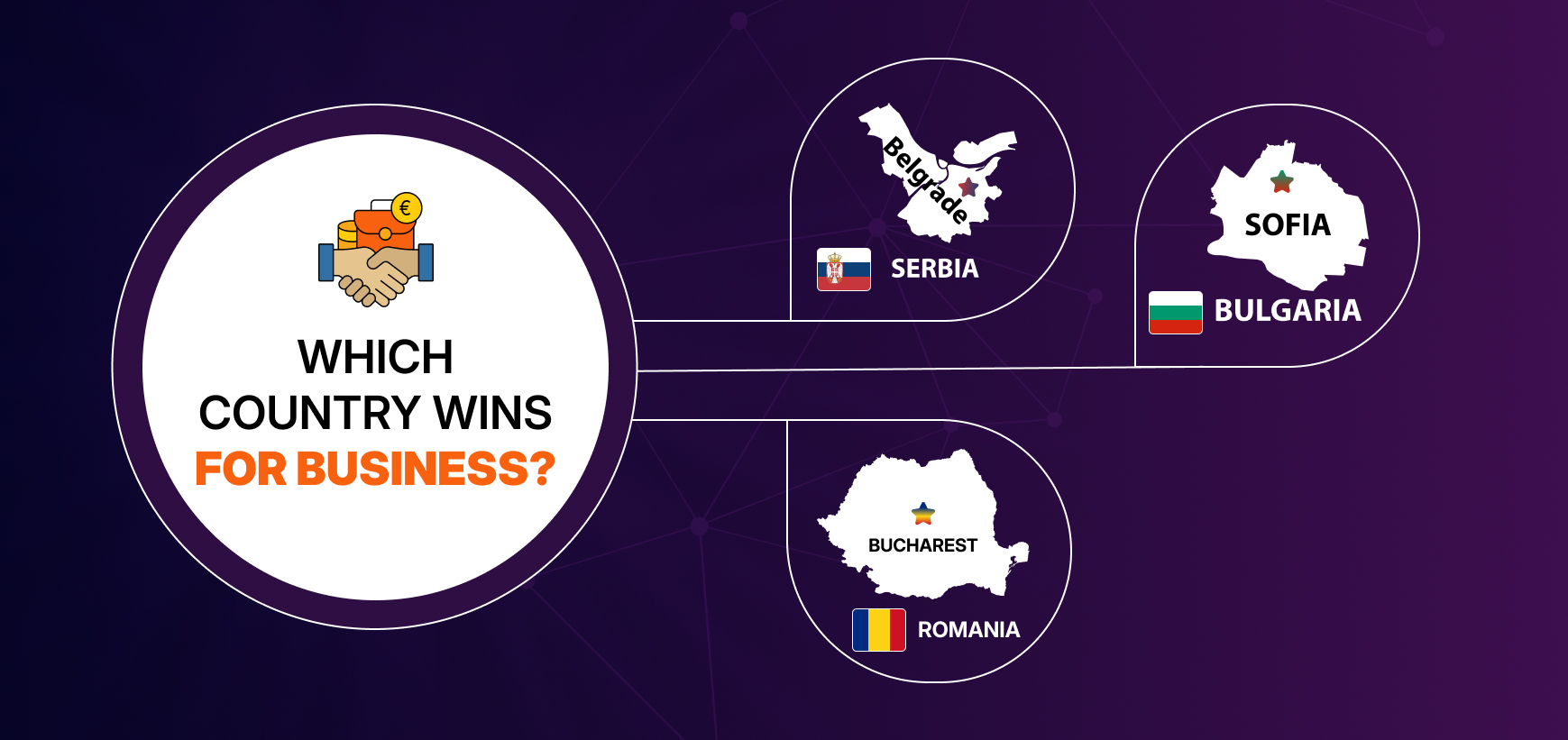
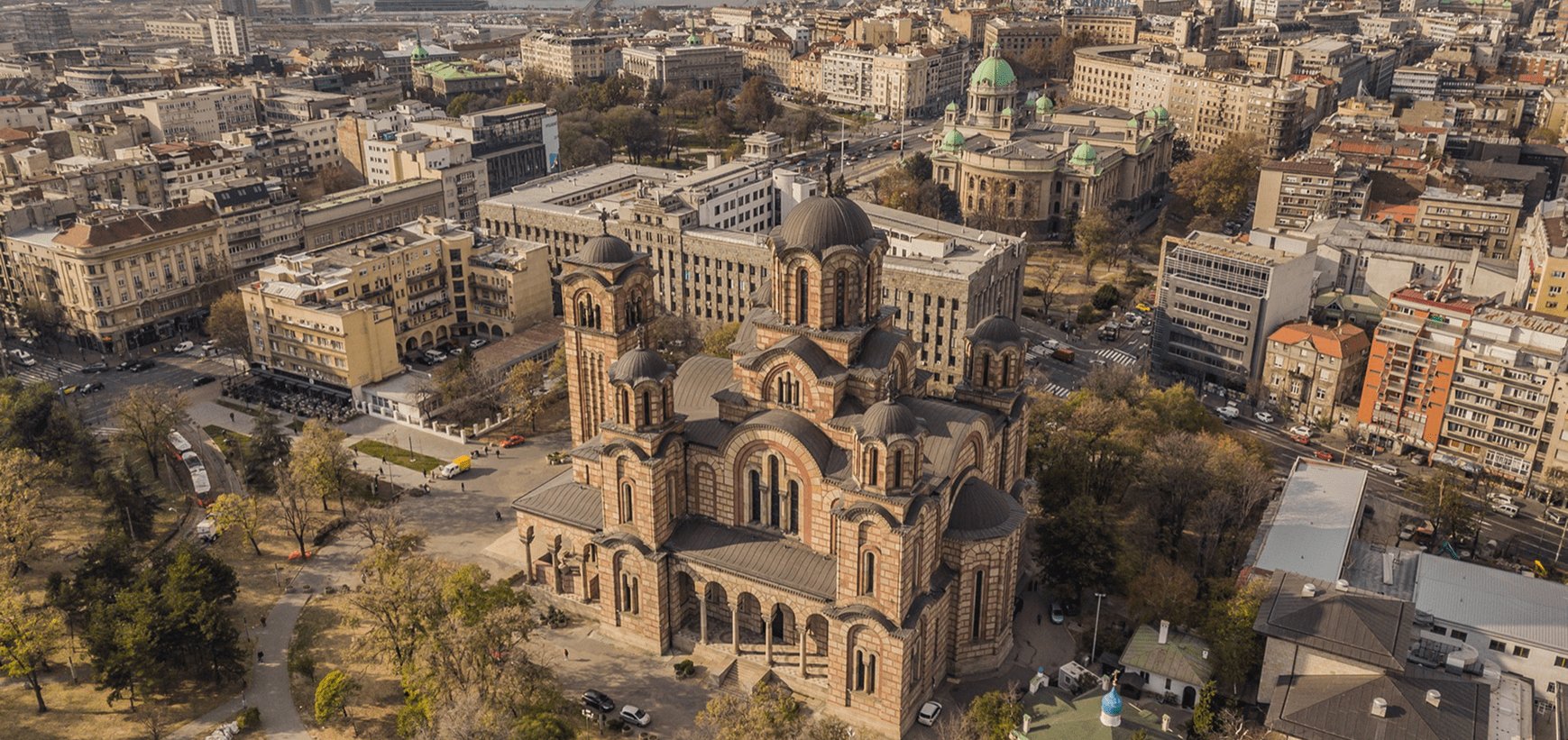
Serbia is arguably the most exciting place right now. The capital, Belgrade, is buzzing with startups and IT companies.
- The Opportunity: Information Technology (IT) and Software Development. Serbia has become an outsourcing hub for Europe.
- Why it is growing: The government offers huge tax breaks for tech companies. Also, the local talent is skilled and speaks English very well.
- Key Sector: If you are in tech, Belgrade is the place to be.
2. Romania: The Economic Engine
Romania is a big player in the region. It has a large population and a strong economy that keeps getting stronger.
- The Opportunity: E-commerce and Manufacturing. Romania is a great place to set up logistics for selling to the rest of Europe.
- Why it is growing: Cities like Cluj-Napoca and Bucharest are full of young, educated workers. Wages are rising, which means people have more money to spend.
- Key Sector: Retail and Tech Support.
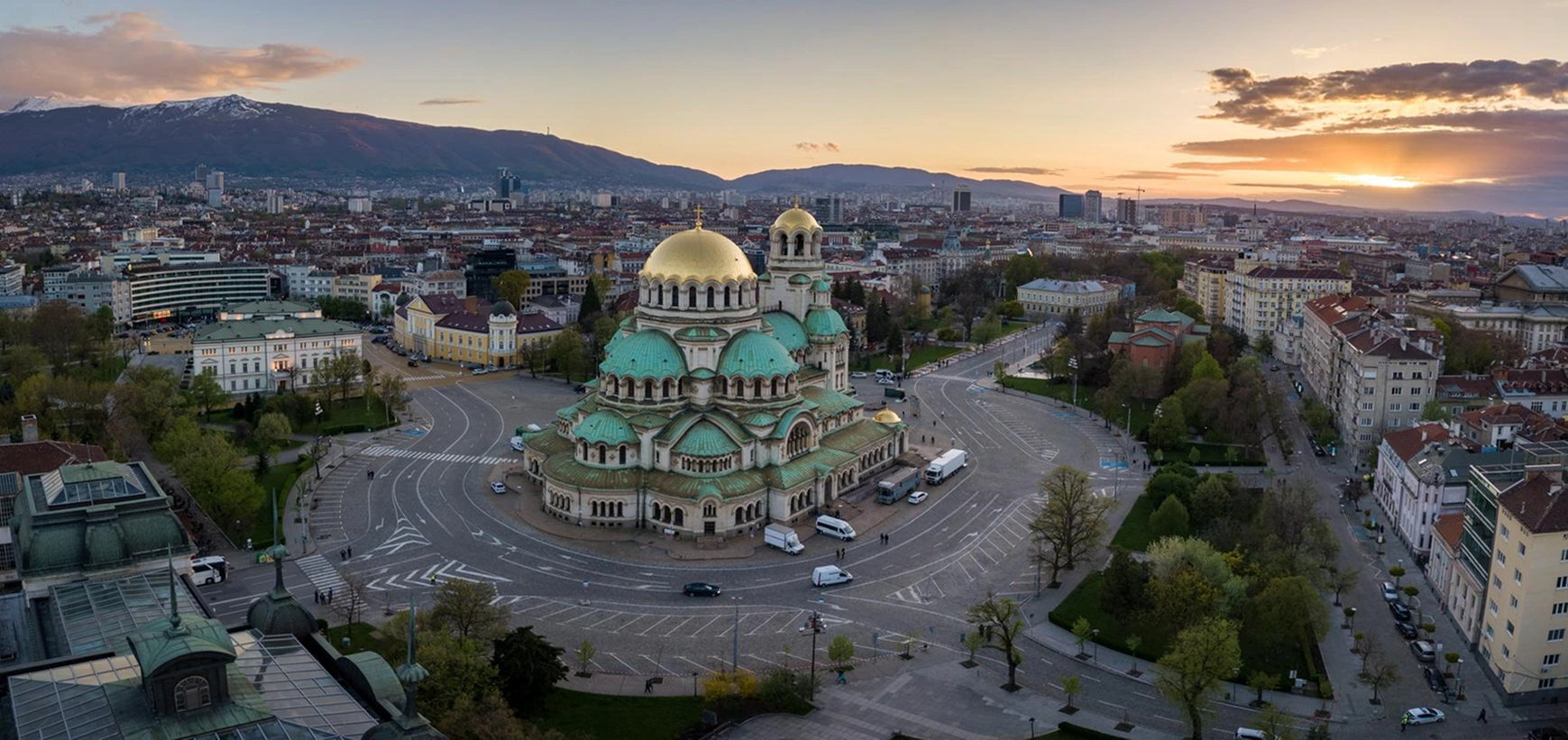
3. Bulgaria: The Stable Choice
Bulgaria has been in the EU for a while now. It offers something that is hard to find: stability plus low costs.
- The Opportunity: Outsourcing and Fintech (financial technology). Many big banks have their back offices here.
- Why it is growing: The corporate tax rate is one of the lowest in the EU at just 10%. This attracts foreign investors like bees to honey.
- Key Sector: Financial Services and IT.
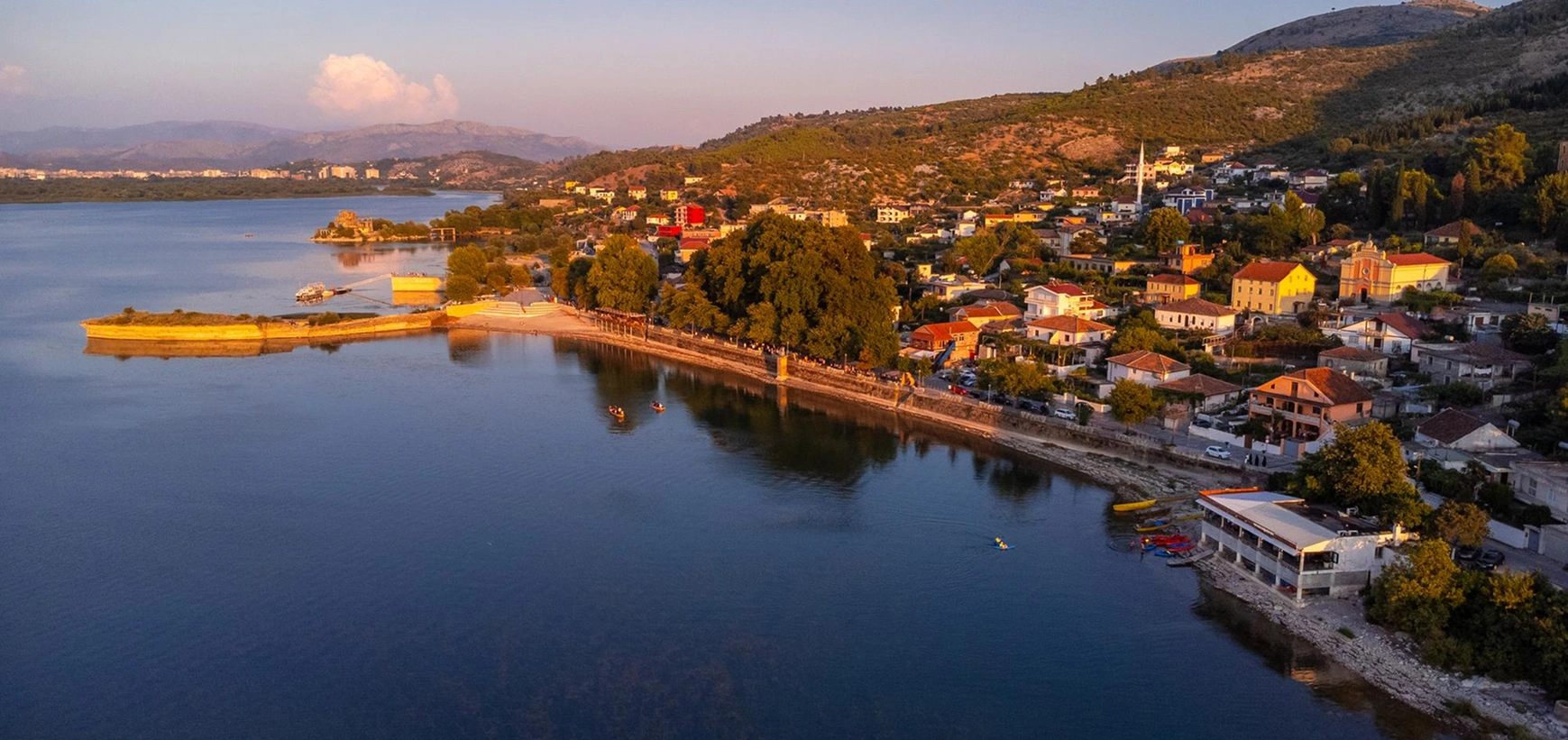
4. Albania: The Tourism & Energy Boom
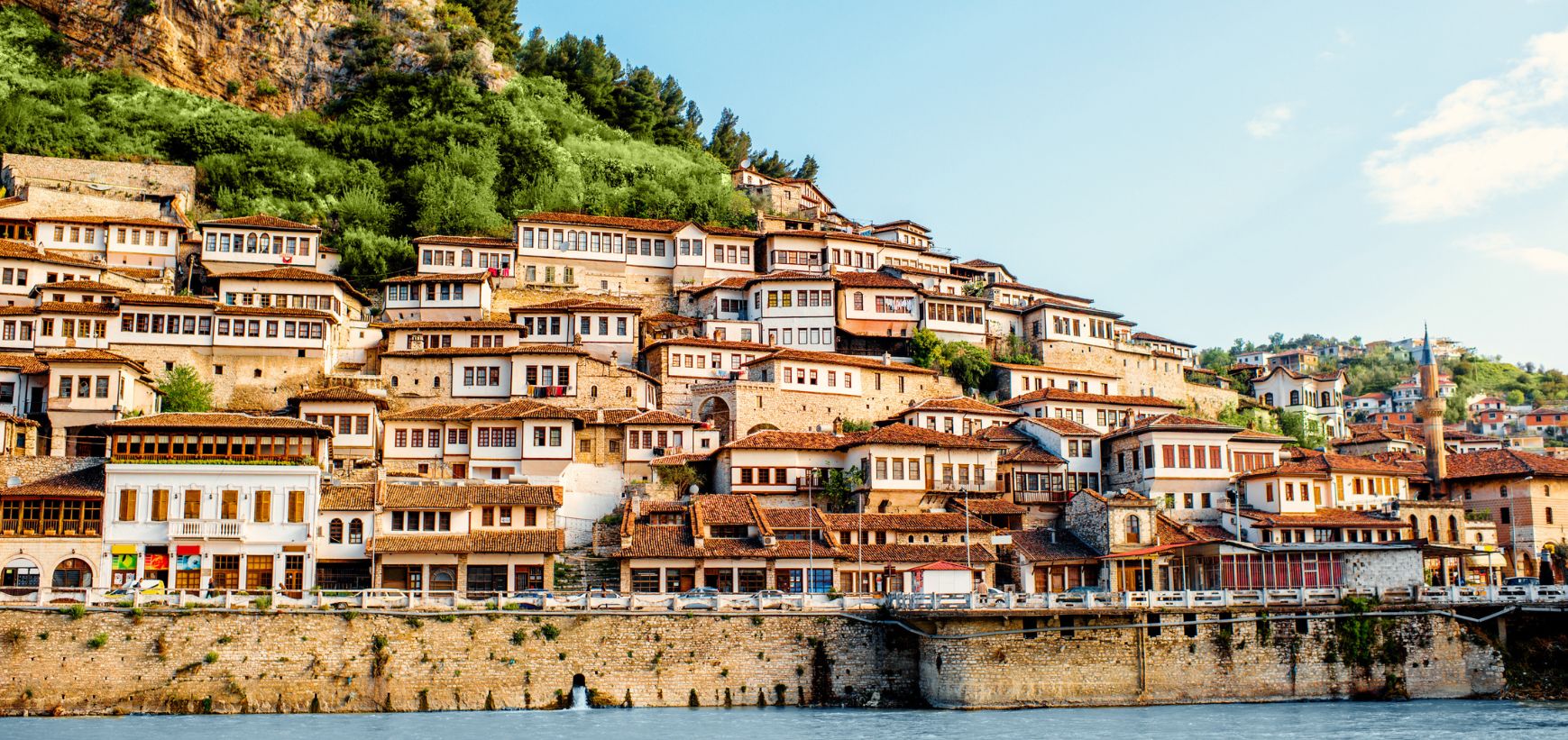
For years, Albania was closed off. Now, it is wide open. The coastline is stunning, and tourists are flocking there.
- The Opportunity: Tourism and Renewable Energy. There is a huge need for hotels and eco-friendly power sources like solar and hydro.
- Why it is growing: The government is building new roads and airports. It is easier to get around than ever before.
- Key Sector: Hospitality and Green Energy.
5. Montenegro: The Luxury Market
Montenegro is small, but it is rich in beauty. It targets the higher end of the market.
- The Opportunity: Real Estate and Luxury Tourism. There are investment opportunities Balkan investors love it here, especially in marinas and resorts.
- Why it is growing: The country markets itself as an exclusive destination. Wealthy visitors from Russia, the Middle East, and Western Europe come here to spend.
- Key Sector: High-End Tourism and Construction.
6. North Macedonia: The Manufacturing Hub
If you want to make things, North Macedonia is a great spot. It is landlocked but centrally located.
- The Opportunity: Manufacturing and Textiles. The cost of labor is very low, which is perfect for factories.
- Why it is growing: The government offers tax holidays for companies that open factories and create jobs. You can pay almost 0% tax for the first few years in some zones.
- Key Sector: Automotive Parts and Clothing.
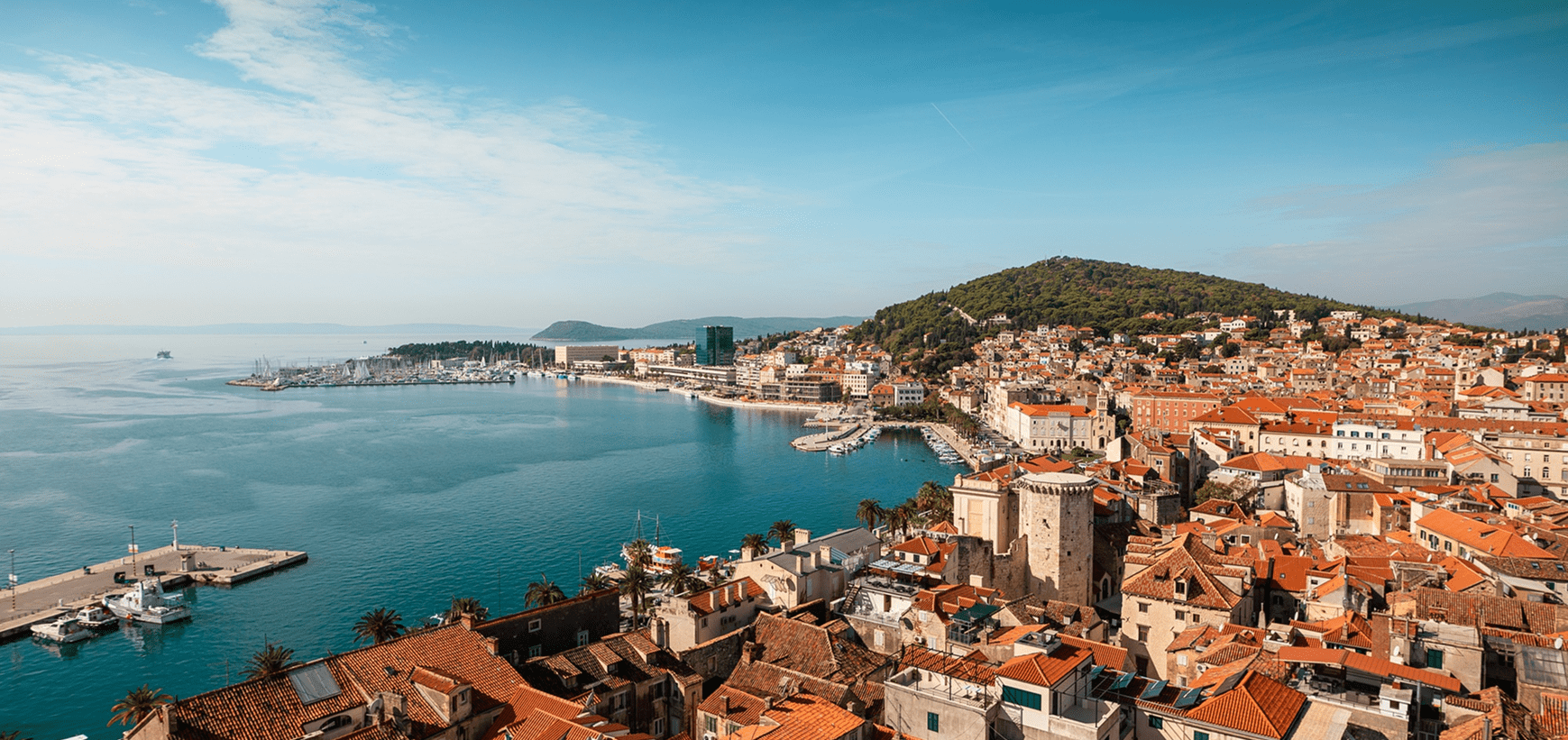
7. Croatia: The Safe Bet
Croatia joined the Eurozone and the Schengen Area recently. This makes it one of the safest places to do business in the region.
- The Opportunity: Tourism and Software. While everyone knows the beaches, the tech scene in Zagreb is growing fast.
- Why it is growing: Using the Euro makes trade easier. It removes the risk of changing money values.
- Key Sector: Tourism Services and Software Development.
8. Greece: The Comeback Kid
Greece had a tough decade, but it is back. The economy is recovering, and foreign money is flowing in again.
- The Opportunity: Tourism and Green Energy. Greece has endless sun and wind, perfect for energy farms.
- Why it is growing: The government is selling off old assets and inviting big companies to set up shop.
- Key Sector: Energy and Food Export.
9. Slovenia: The High-Value Producer
Slovenia is small, but it is wealthy. It acts like a bridge between the Balkans and Central Europe.
- The Opportunity: High-Tech Manufacturing and Pharmaceuticals. They don’t make cheap goods here; they make high-quality goods.
- Why it is growing: It is very stable and has excellent infrastructure.
- Key Sector: Advanced Manufacturing.
10. Bosnia and Herzegovina: The Hidden Gem
Bosnia is complex and can be tricky to navigate, but that is where the opportunity lies. It is an emerging business market that hasn’t been fully discovered yet.
- The Opportunity: Wood Processing and Energy. The country has huge forests and rivers.
- Why it is growing: Prices for land and labor are incredibly low. If you have patience, the margins can be very high.
- Key Sector: Furniture and Hydropower.
Where Should You Put Your Money?
So, how do you choose? It depends on what kind of business you run.
- For Tech: Look at Serbia, Romania, and Bulgaria. The talent is there, and the internet is fast.
- For Factories: North Macedonia and Bosnia are your best bets. Labor is cheap and skilled.
- For Tourism: Albania, Montenegro, Croatia, and Greece are the winners. The climate brings the people.
Risks to Keep in Mind
We want to be honest with you. Doing business in the fastest-growing Balkan economies for business does come with risks.
- Bureaucracy: In some places, the paperwork can be slow. You might need a local lawyer to help you.
- Politics: Changes in government can sometimes mean changes in tax laws.
- Corruption: It is less of a problem than it used to be, but it still exists in certain areas.
However, for every risk, there is a reward. The cost of entry is low, and the potential for growth is massive.
Conclusion
The Balkans are not the “wild east” anymore. They are a region that is modernizing fast. From the tech hubs of Serbia to the beaches of Albania, the investment opportunities the Balkans offer are endless.
If you are tired of saturated markets in the West, it is time to look east. 2026 is going to be a big year for the region and Balkan business. Do your research, pick a country that fits your goals, and get in while the growth is just getting started.
Frequently Asked Questions
1. Which Balkan country is best for tech startups?
Serbia and Romania are currently the top choices. They have a strong pool of developers, good internet, and governments that actively support IT companies.
2. Is it safe to invest in the Balkans?
Yes, for the most part. EU member states like Croatia, Slovenia, Romania, and Bulgaria offer very high safety for your investment. Non-EU countries like Albania and North Macedonia offer higher rewards but come with slightly higher risks due to less predictable legal systems.
3. What is the biggest industry in the Balkans?
Tourism is massive, especially in Croatia, Greece, Montenegro, and Albania. However, manufacturing and IT/software are rapidly catching up and becoming major drivers of the economy.
4. Do I need to speak the local language to do business?
It helps, but it is not always necessary. English is widely spoken in the business communities of Serbia, Croatia, Romania, and Bulgaria. In more rural areas or in sectors like manufacturing, having a local partner is very helpful.
5. Are there tax benefits for foreign investors?
Yes, many countries offer incentives. For example, North Macedonia and Bulgaria have very low corporate tax rates. Serbia offers tax breaks for tech companies, and Albania has special economic zones with reduced taxes for manufacturers.