



Introduction
For a long time, the Balkans were on the periphery of the European travel map. But that’s changing. Fast.
Nowadays, you have expats, retirees, and remote workers fleeing the astronomical costs of London, Paris, or Berlin, and they are setting their sights on a region they previously ignored. But here is the reality check: the quality of life in the Balkans varies wildly.
It isn’t just about who has the cheapest beer. You have to look at the healthcare system, the reliability of the electricity, the headache-inducing potential of the bureaucracy, and whether you can actually get a decent cup of coffee or a fast internet connection.
We’ve looked at ten Balkan countries, ranking them based on quality of life in Balkans and what matters to someone who wants to live there: cost of living, healthcare quality, safety, infrastructure, ease of assimilation, and lifestyle. The goal isn’t to find the cheapest dump; it’s to find the places that offer the best balance between affordability and a functioning society.
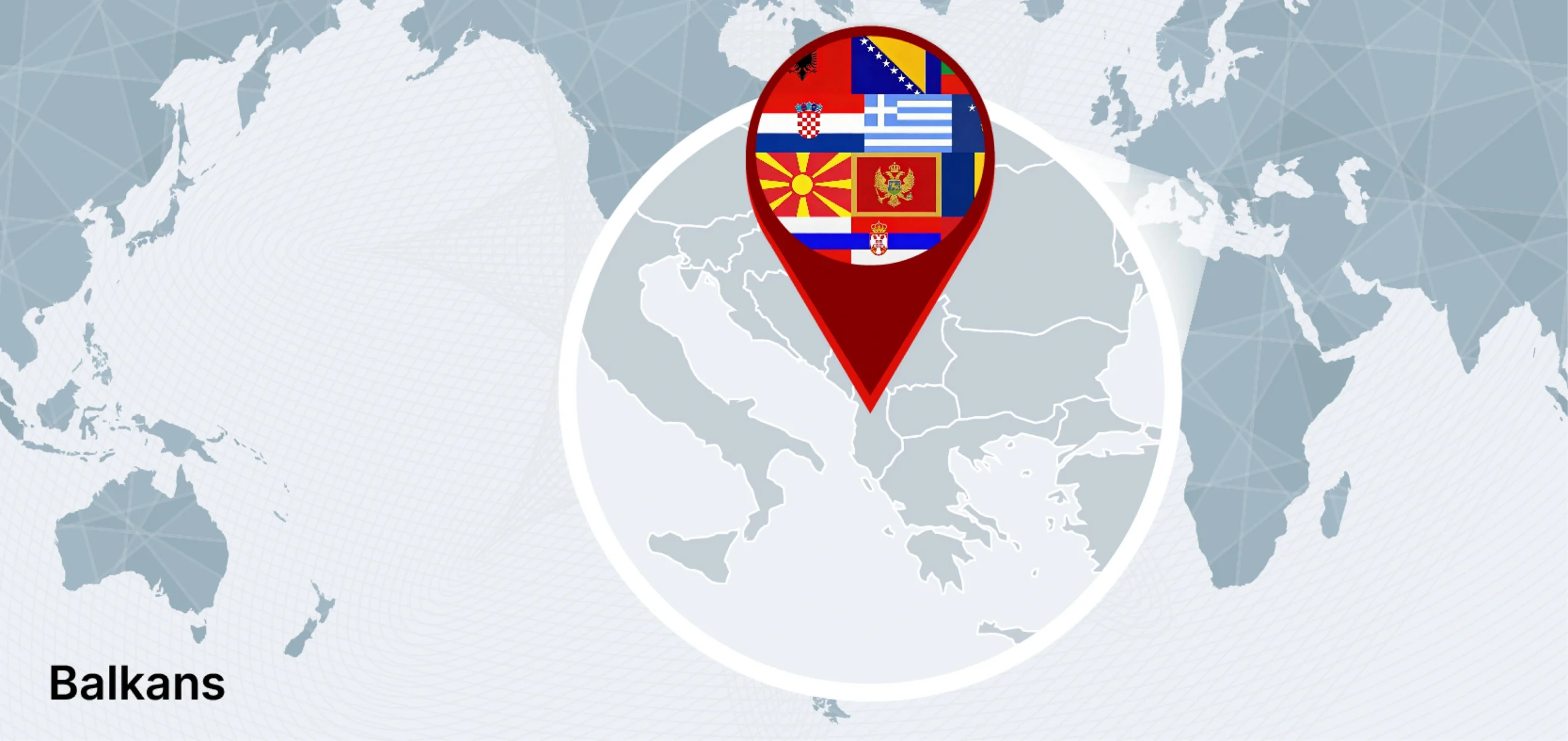
A quick note on geography: Defining “The Balkans” is a sport in itself. For this ranking, we’re looking at the core peninsula and its immediate neighbors—Slovenia, Croatia, Bosnia and Herzegovina, Serbia, Montenegro, Albania, North Macedonia, Greece, Bulgaria, and Romania.
1. Slovenia – The “Western” Standard
Let’s be clear: Slovenia is in a league of its own here. It feels less like the Balkans and more like Austria or Italy. With mandatory health insurance, healthcare is top-tier. The roads are smooth, public transport works, and the digital connectivity is world-class.
It’s safe, the bureaucracy is relatively painless (especially if you speak English), and the lifestyle is an Alpine-Mediterranean hybrid. You get the outdoor access of the mountains with the cafe culture of the coast.
The Cost:
You’ll pay for that quality. While utilities (including Wi-Fi and mobile) are reasonable—around €115–€120 a month—rent in Ljubljana or on the coast shows why Slovenia isn’t the cheapest Balkan country with the best quality of life. A decent apartment will still cost far more than elsewhere in the region, but it’s about half the price of Vienna or Milan.
The Verdict:
For professionals, families, and retirees who want EU integration and stability above all else, Slovenia is the winner.
2. Croatia – The Coastal Premium
Croatia strikes a happy medium. You get that dreamy Mediterranean lifestyle, but the institutions actually work. Joining the EU in 2013 and the Schengen zone in 2023 forced the country to modernizing infrastructure and streamlining bureaucracy.
Healthcare in cities like Split, Zagreb, and Rijeka is solid, with a mix of public and private options. Crime is low, and because tourism is the engine of the economy, English is spoken everywhere.
The Cost:
It’s not a budget destination anymore. The coast is expensive, rivaling Italy or Spain in the summer months. You are paying a premium for the view and the EU stability.
The Verdict:
Best for those who want the “Euro” lifestyle without moving to Western Europe. It’s the safe bet for coastal living.
3. Greece – The Lifestyle King (With Economic Baggage)
Greece has the most developed infrastructure and the most mature expat communities in the region. You have excellent healthcare options in Athens and Thessaloniki, great roads, and a lifestyle that is, frankly, hard to beat. The weather doesn’t hurt, either.
However, you have to ignore the background noise. The economy can be shaky, banks have been fragile in the past, and youth unemployment is high. Bureaucracy can be a nightmare of patience.
The Cost:
Athens offers a range, from €900 to €1,400 a month, for a comfortable life. The islands vary wildly. The “Golden Visa” program has brought in a lot of foreign wealth, driving up prices in prime areas.
The Verdict:
Ideal for retirees and remote workers who prioritize lifestyle, weather, and history over economic dynamism. It’s a haven for those who want to live well, even if the economy is limping along.
4. Romania – The Urban Tech Hub
Romania is a study in contrasts. If you are in Bucharest, Cluj-Napoca, Timișoara, or Brașov, life is modern. The infrastructure is good, private healthcare is excellent, and the IT sector is booming. Step outside those cities, however, and the quality of life drops fast.
Safety is generally high in the cities, though you should watch out for petty scams. Inflation has been an issue recently, but your money still goes a long way.
The Cost:
You can live very well on €700 to €1,100 a month in the major cities. It’s significantly cheaper than the West, with a growing ecosystem of coworking spaces and English-speaking services.
The Verdict:
The choice for digital nomads and tech workers. Stick to the big cities, and you get a high standard of living at a bargain price.
5. Bulgaria – The EU Value Play
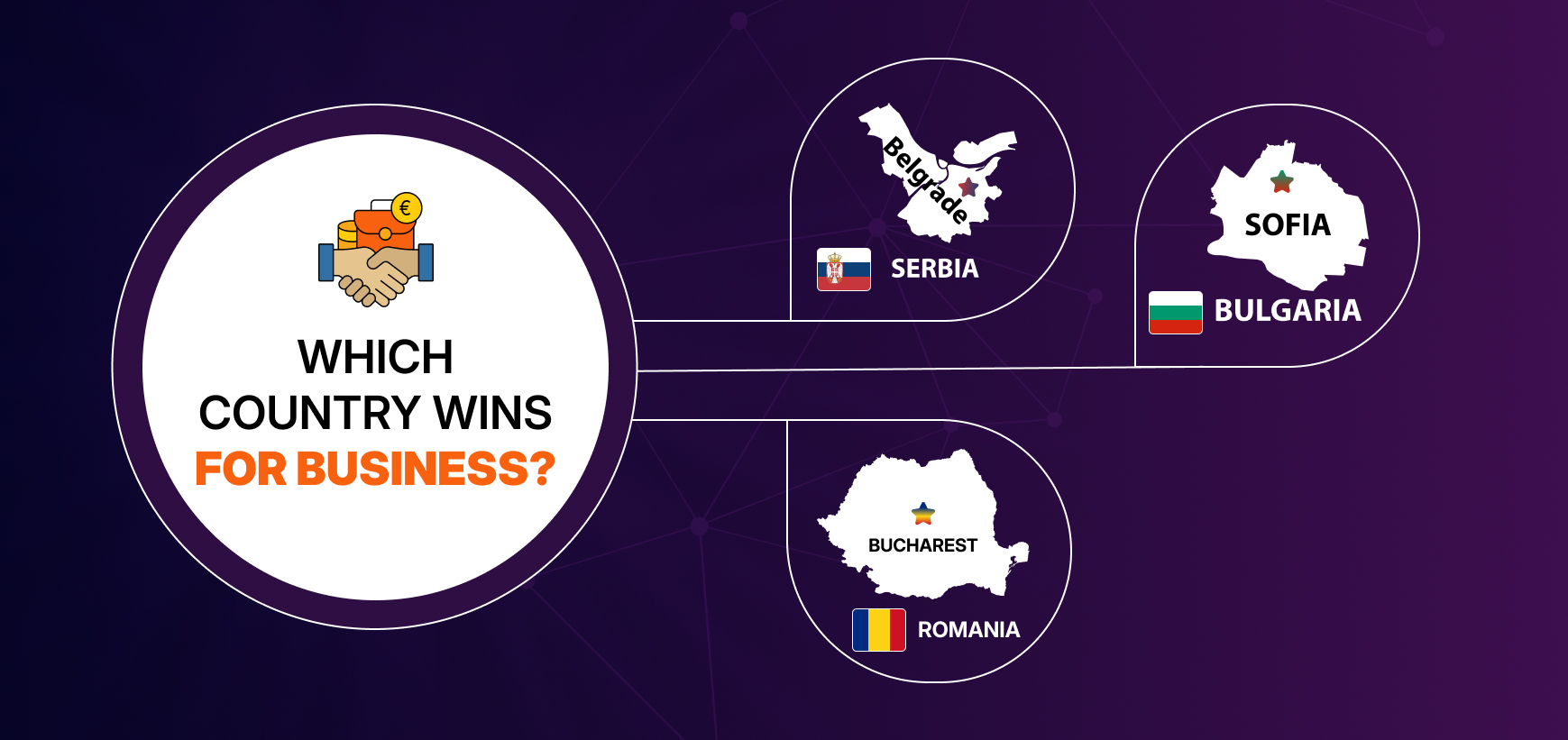
If you want the cheapest EU country in the Balkans, it’s Bulgaria. Sofia, Varna, and Plovdiv offer incredible value. You get EU stability, potential residency options, and a cost of living that is hard to beat—budgets range from €600 to €1,000 a month for a comfortable life.
The downside? The public healthcare system is underfunded and overcrowded. You’ll want to stick to private clinics in Sofia. Infrastructure in the cities is okay, but rural areas are crumbling. Corruption is also a lingering annoyance when dealing with paperwork.
The Verdict:
Great for budget-conscious remote workers and retirees who don’t need heavy medical care. You get EU perks at a Balkan price tag, but you have to tolerate some service gaps.
6. Serbia – The Belgrade Centric Experience
Quality of life in Serbia is almost entirely dependent on Belgrade. The capital is vibrant, the tech scene is growing, and the cost of living is a sweet spot—€600 to €1,000 a month gets you a great life in the city. Private healthcare in Belgrade meets Western standards, and English is widely spoken.
The catch? Long-term planning requires a bit more paperwork and resilience.
The Verdict:
Perfect for those who love the energy of a big city and don’t mind the extra administrative hurdles of non-EU life. Outside of Belgrade (and perhaps Novi Sad), the quality drops significantly.
7. Montenegro – Small, Beautiful, but Limited
Montenegro is geographically stunning—a mix of mountains and Adriatic coast that makes travel quick and scenic. Cities like Kotor, Budva, and Tivat are magnets for tourists and investors. Rent is reasonable compared to Croatia, ranging from €800 to €1,200.
But size is its weakness. The country is tiny. For serious medical issues, you often have to go to Belgrade or neighboring EU countries. Educational opportunities are limited, and the economy relies heavily on seasonal tourism. Infrastructure is great on the coast, rough elsewhere.
The Verdict:
This one is perfect for people who prioritize nature and scenery over top-tier hospitals and find thrill in nature. It’s a lifestyle choice, which is debatable.
8. North Macedonia – The Budget Option
North Macedonia is one of the most affordable countries in the region. You can rent a decent apartment in Skopje, cover your bills and internet, and live on €330–€500 a month total. Skopje has the urban necessities—cafes, coworking, culture—but it lacks a robust healthcare system.
The infrastructure is functional but outdated. Safety isn’t a major issue, but it’s not as polished as elsewhere. EU accession talks are dragging on, slowing down real modernization.
The Verdict:
The choice for the “footloose” budget traveler or young digital nomad. It’s cheap and friendly, but you have to be willing to live without the safety net of high-end services.
9. Albania – The Raw Frontier
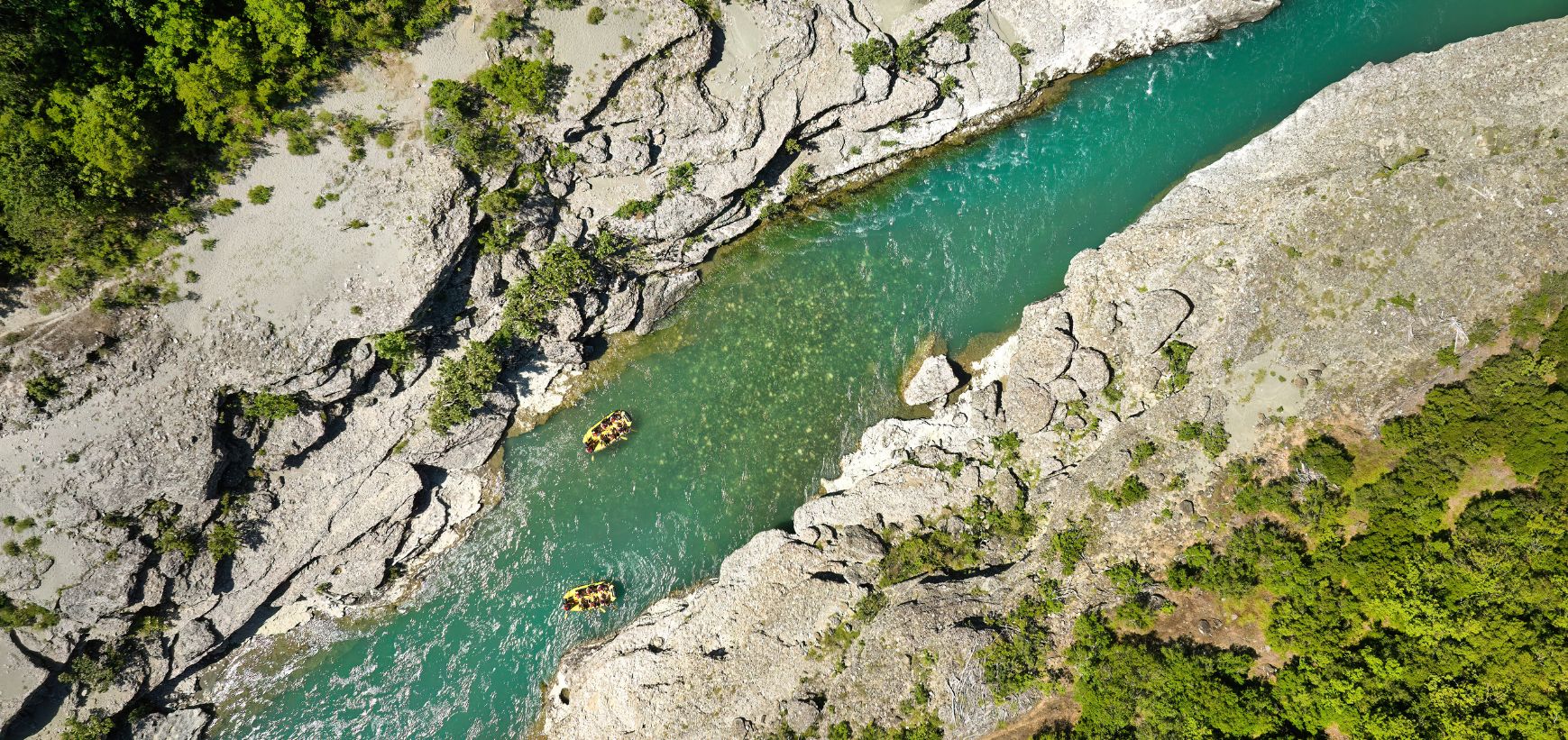
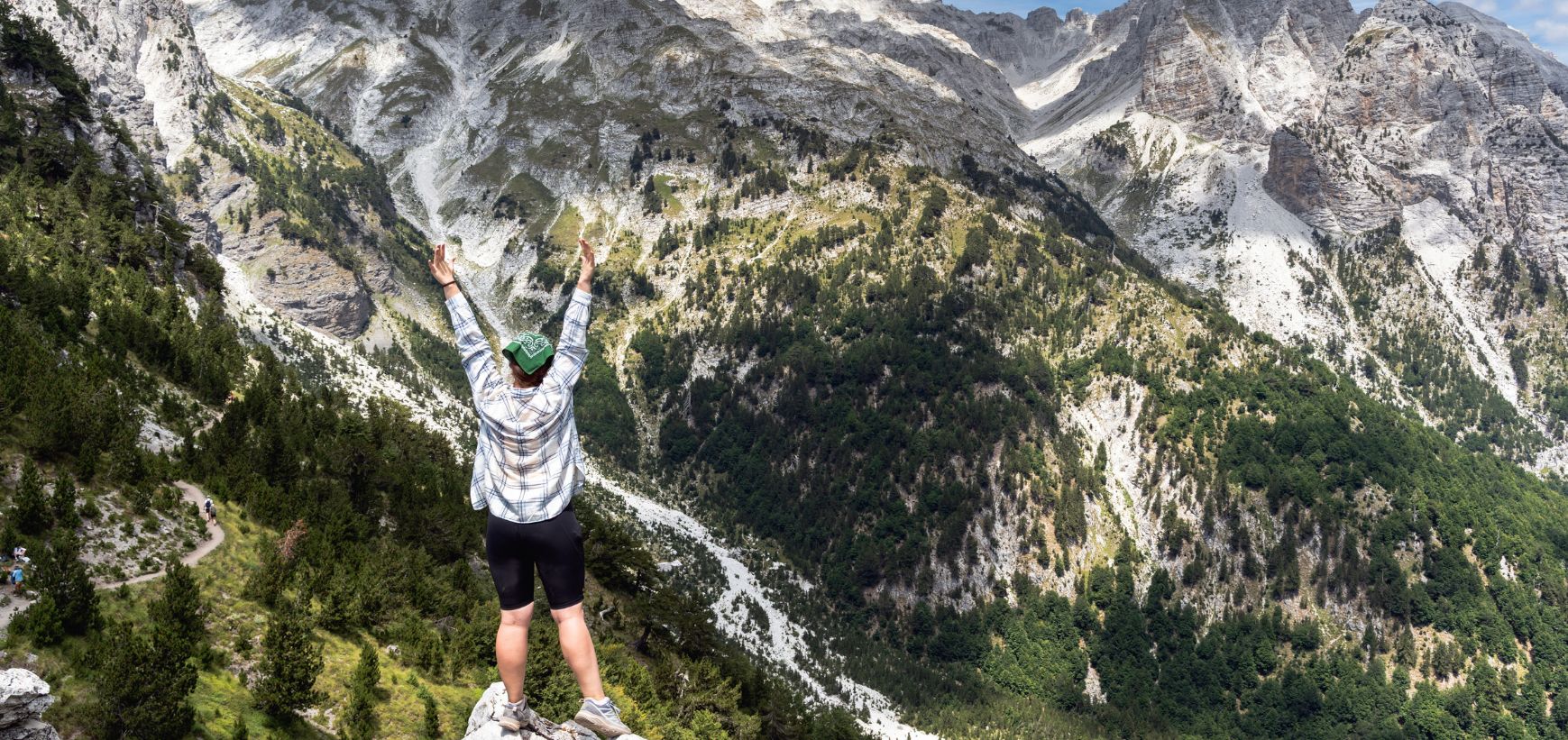
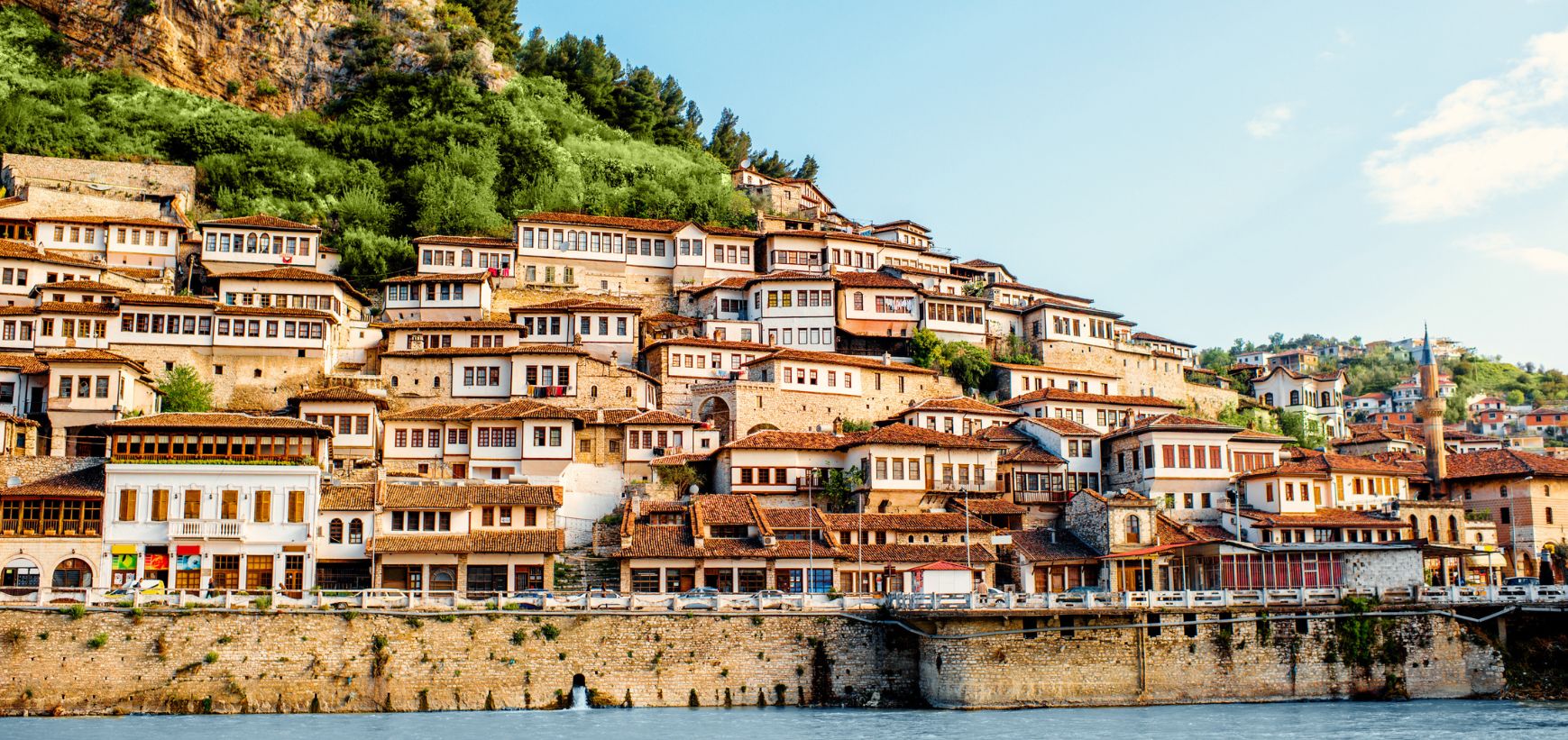
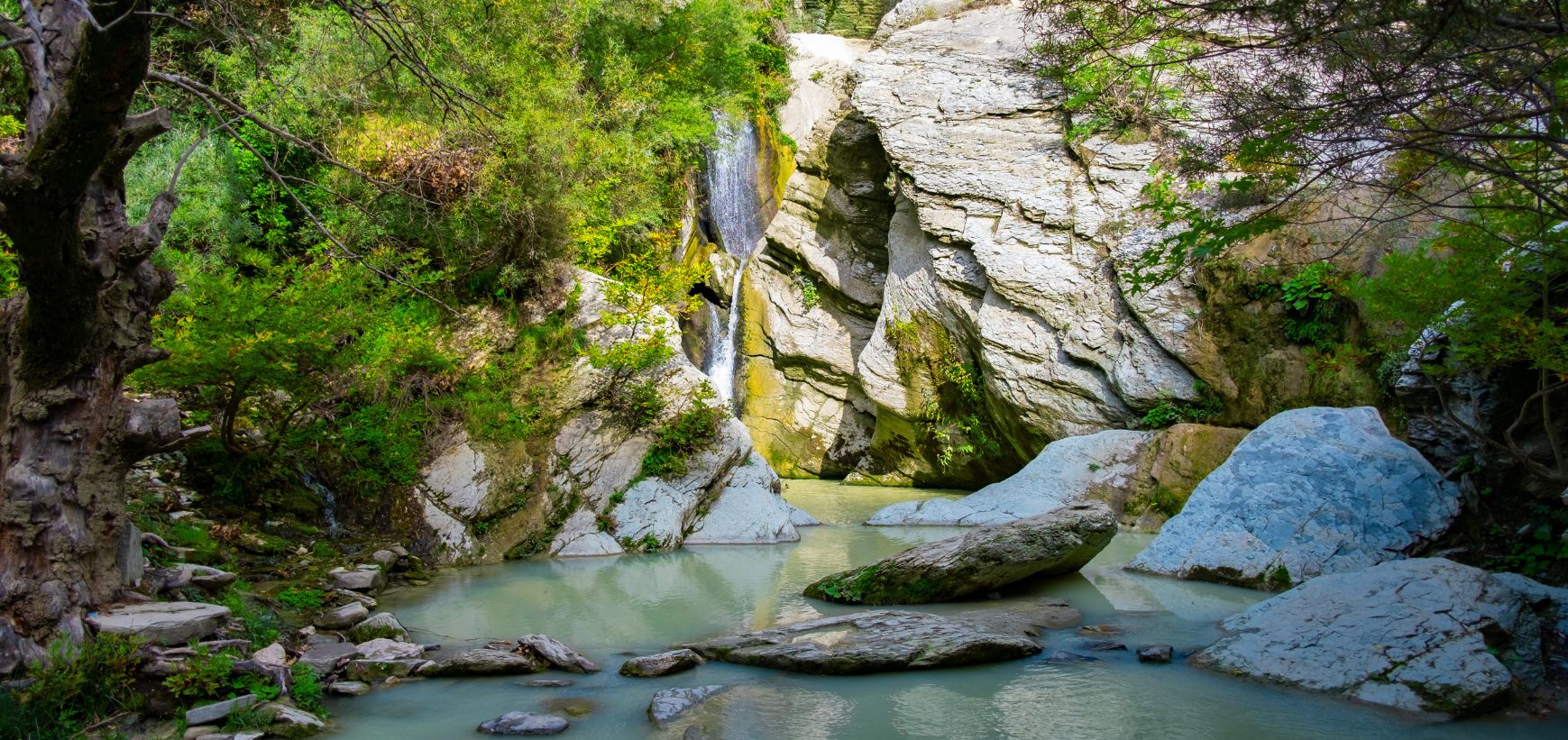
Albania is changing fast, but it remains institutionally underdeveloped. Tirana has a busy urban buzz, and coastal spots like Durrës and Sarandë offer some of the cheapest beach living in Europe (€450–€750 a month). New roads and airports are improving infrastructure.
However, services lag behind. Healthcare is primitive outside of Tirana. English proficiency is low, so you’ll need to learn some Albanian or hire local help to navigate the opaque bureaucracy. Corruption is a reality in everything from business to construction.
The Verdict:
For the young and flexible who want to be part of a country “developing in real-time.” It’s an adventurous choice, not a safe one.
10. Bosnia and Herzegovina – Stuck in the Past
Bosnia is at the bottom of the list. The political structure is a complex, dystopian mess that paralyzes daily life. Bureaucracy isn’t just annoying; it’s a labyrinth. Infrastructure varies—Sarajevo is decent, but smaller cities are struggling.
Healthcare is underfunded and fragmented. While it’s generally safe and cheap (€500–€800 in Sarajevo), the quality of service is low. English isn’t widely spoken outside tourist zones.
The Verdict:
Unless you have deep family ties or work in humanitarian aid, Bosnia is a difficult place to relocate to. The low cost of living just isn’t enough to offset the institutional dysfunction.
The Takeaway
Adapting to life in the Balkans is all about managing your expectations.
- Slovenia and Croatia give you Western standards at a discount.
- Greece offers the best lifestyle, provided you ignore the economic headlines.
- Romania and Bulgaria are the best bets for EU value and tech hubs.
- Serbia, Montenegro, and North Macedonia require a spirit of adventure and a tolerance for bureaucracy.
- Albania and Bosnia are for the pioneers.
If you want top-tier hospitals, go to Slovenia. If you want a digital nomad life, try Romania or Bulgaria. If you want the dreamy coast, Croatia or Montenegro are calling. Just remember: the cheapest Balkan country with the best quality of life still comes with trade-offs. The trick is knowing which trade-off you can live with.
FAQs
-
What is the cheapest Balkan country to live in?
Albania and North Macedonia are the cheapest, with monthly living costs ranging from €450 to €800 for basic comfort. However, you sacrifice service quality and infrastructure for that price. Bulgaria offers the best “value” within the EU, balancing low costs with better regulation.
-
Which Balkan country has the best healthcare system?
Slovenia wins by a mile, offering high-quality, accessible care that rivals Western Europe. Croatia and Greece also have strong systems, particularly in private clinics and major urban centers.
-
Is it easy for digital nomads to move to the Balkans?
It’s getting easier. Croatia and Greece have introduced specific digital nomad visas. Romania and Bulgaria offer entrepreneur and freelancer permits. Serbia allows you to set up a company to gain residency, though it’s less formal. Slovenia requires standard employment or business ownership.
-
How does the cost of living compare to Northern Europe?
The Balkans are significantly cheaper—generally 30% to 60% less expensive than the UK, Germany, or Scandinavia. Slovenia is the most expensive (comparable to secondary Italian/Austrian cities). Croatia, Greece, and Romania are about 40–50% cheaper. Bulgaria, Serbia, and Montenegro offer savings of 50–60%. Albania and North Macedonia are the cheapest, but with the most gaps in modern services.