




If you are tired of paying massive tax bills in Western Europe or the US, you are not alone. Entrepreneurs everywhere are looking for a new place to call home. They want lower costs, easier rules, and a chance to get in on the ground floor. That is why everyone is talking about the Balkans. Finding the easiest Balkan countries to start a business could be the smartest move you make this year.
This region is not just about beautiful beaches and old history anymore. It is becoming a serious hub for startups, tech companies, and creative agencies. The rules are getting simpler, the taxes are often flat and low, and the economy is growing fast.
In this guide, we are going to look at the business-friendly Balkan countries. We will break down where it is easiest to set up shop, which places have the lowest taxes, and where the real Balkan business opportunities are hiding in 2026.
Why the Balkans Are the New Frontier
Before we look at specific countries, let’s talk about the “why.” Why is this region booming?
- Low Costs: You can rent an office space for a fraction of what you pay in London or Berlin.
- Young Talent: The people here are young, educated, and often speak multiple languages.
- Strategic Location: It is the gateway between East and West. It is a perfect spot for logistics and trade.
However, doing business in the Balkans is not the same everywhere. Some countries have embraced modern tech and low taxes, while others are still catching up. Here is our ranked list of the top ten.
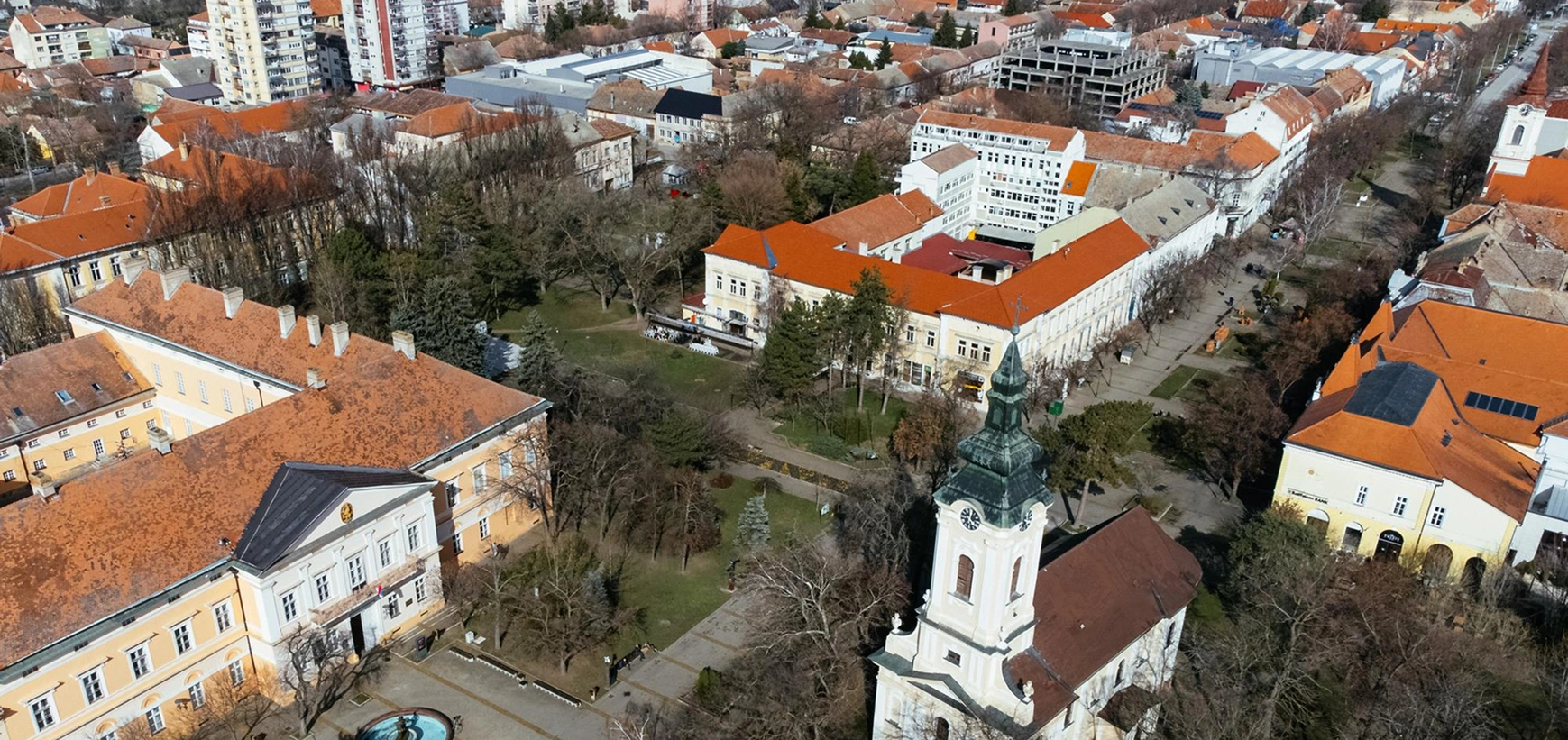
1. Serbia
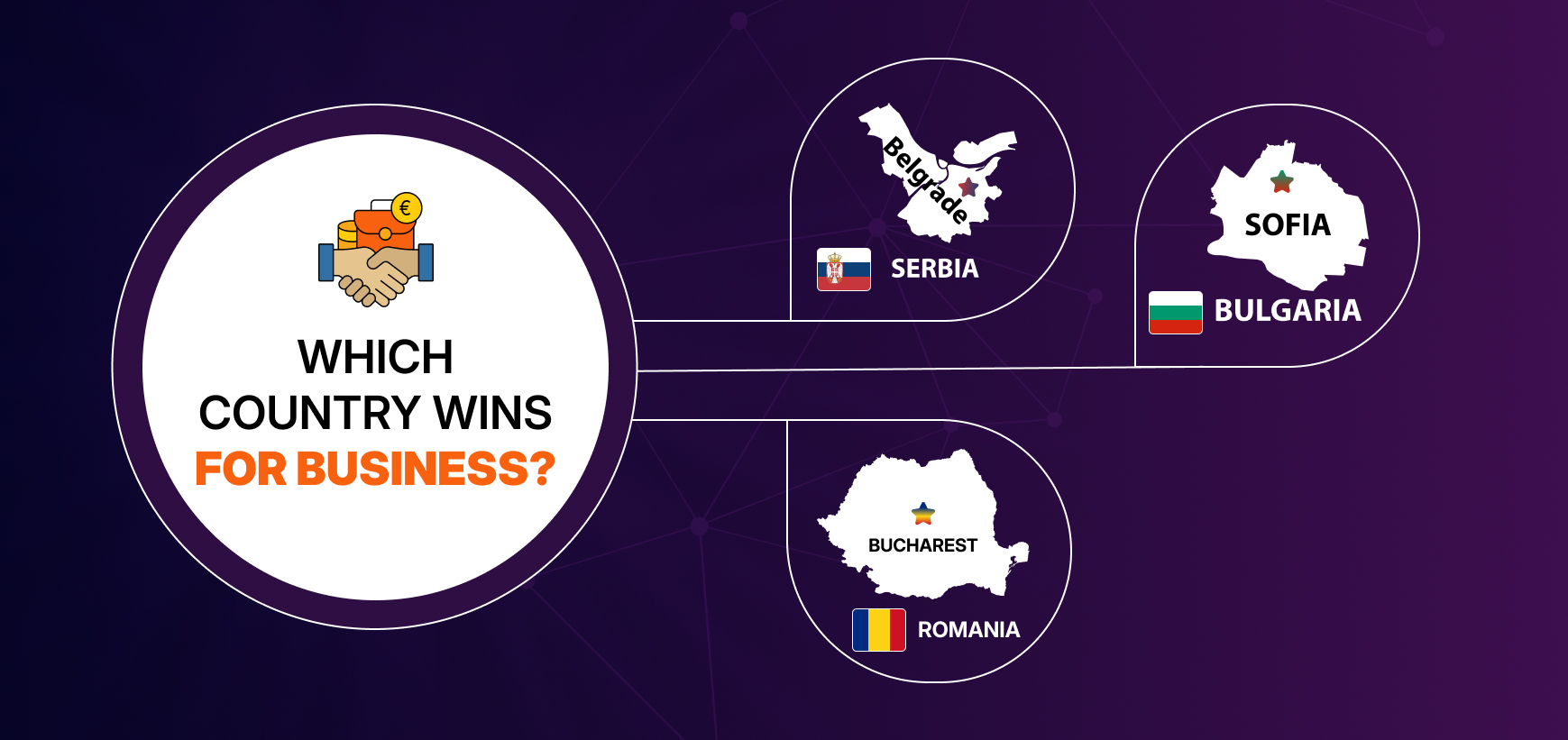
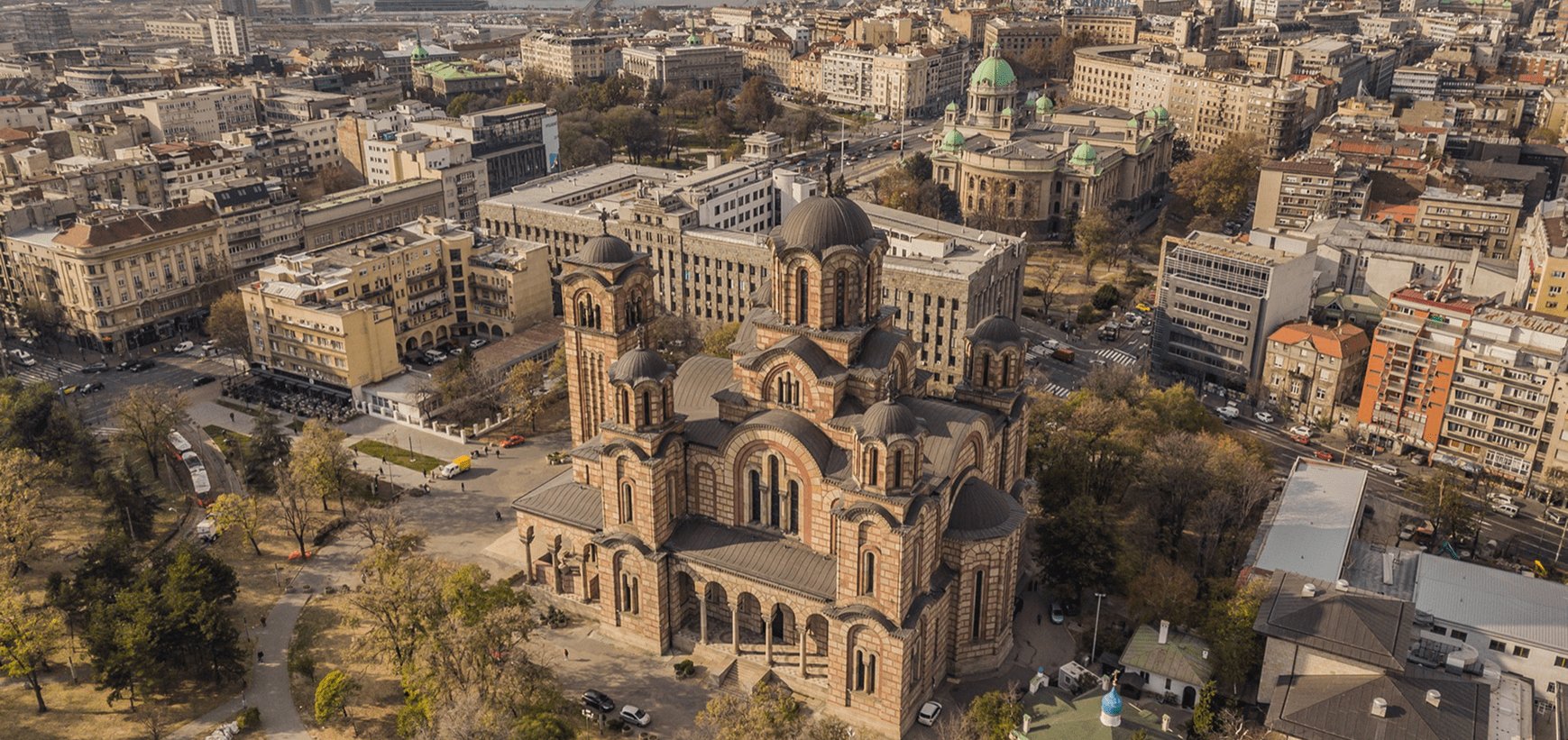
Serbia is currently the star of the show. The capital, Belgrade, is buzzing with energy. The government has gone all-in on attracting foreign businesses, especially in the tech sector.
- The Deal: Corporate tax is a flat 15%. This is very competitive.
- The Ease: They have introduced a “one-stop-shop” system for registering a company. You can often do it online in a day.
- The Opportunity: IT and software development are huge here. If you need developers, this is the place. Also, the crypto community is very active.
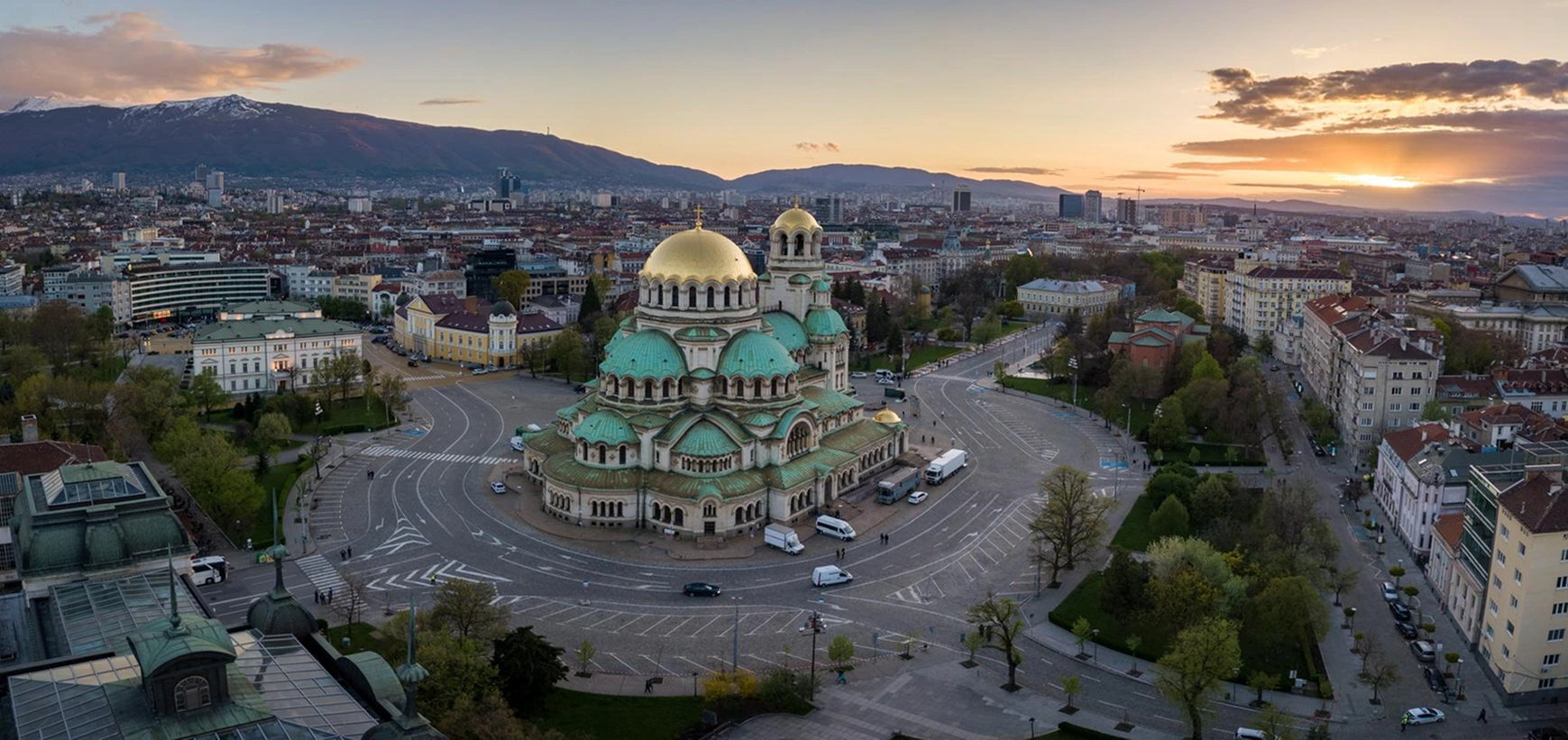
2. Bulgaria
Bulgaria is the old reliable of the region. It has been in the EU for a while, which adds a layer of stability that investors love.
- The Deal: Bulgaria boasts one of the lowest corporate tax rates in the entire EU at just 10%.
- The Ease: Bureaucracy is still a bit paper-heavy, but it is improving. The legal system is stable and based on EU laws.
- The Opportunity: Outsourcing and manufacturing. Many international companies have their back offices here because labor is skilled but cheap compared to Western Europe.
3. Romania
Romania is the economic engine of the region. Cities like Cluj-Napoca and Bucharest are becoming famous tech hubs.
- The Deal: Corporate income tax is a flat 16%. While slightly higher than Bulgaria, the market size is much bigger.
- The Ease: Starting a business is fairly straightforward, and the digital infrastructure is excellent.
- The Opportunity: Tech startups and e-commerce. Romanians are quick to adopt new technologies, making it a great testing ground for digital products.
4. North Macedonia
If you want to talk about business-friendly Balkan countries, you have to mention North Macedonia. They are aggressive about attracting investors.
- The Deal: Corporate tax is 10%, the same as Bulgaria. But for high-tech manufacturing, the rate can drop to 0% for the first ten years in some cases.
- The Ease: They have streamlined procedures significantly in the last few years to speed up registration.
- The Opportunity: Manufacturing and textiles. If your business involves making physical goods, the incentives here are hard to beat.
5. Montenegro
Montenegro is small, but it is ambitious. It is focusing heavily on tourism and real estate development.
- The Deal: Corporate tax is a flat 9%. This is one of the lowest rates in Europe.
- The Ease: The market is small, so it is easy to get to know the right people. However, bureaucracy can be slow.
- The Opportunity: Tourism, hospitality, and luxury real estate. If your business serves tourists or wealthy expats, this is the place to be.
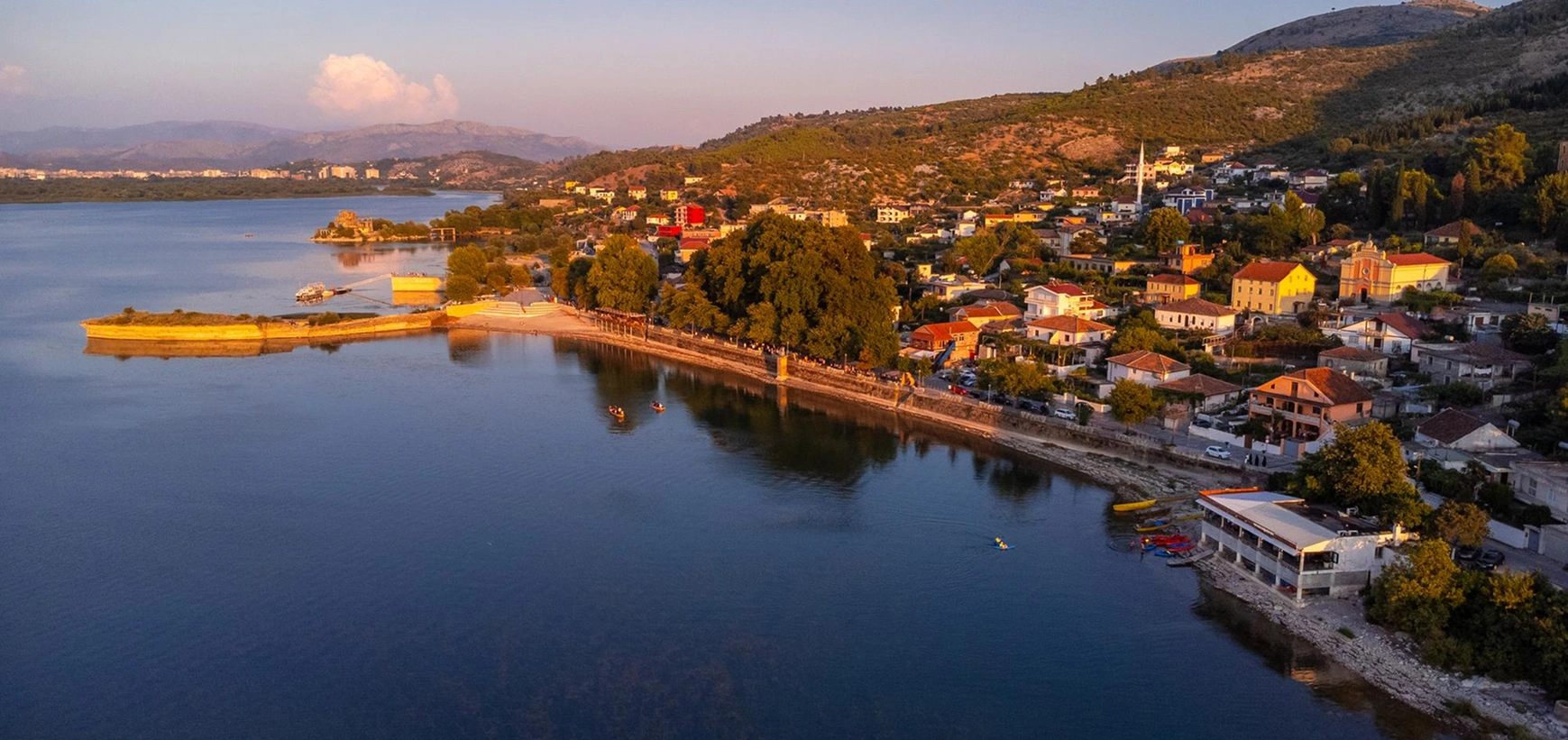
6. Albania
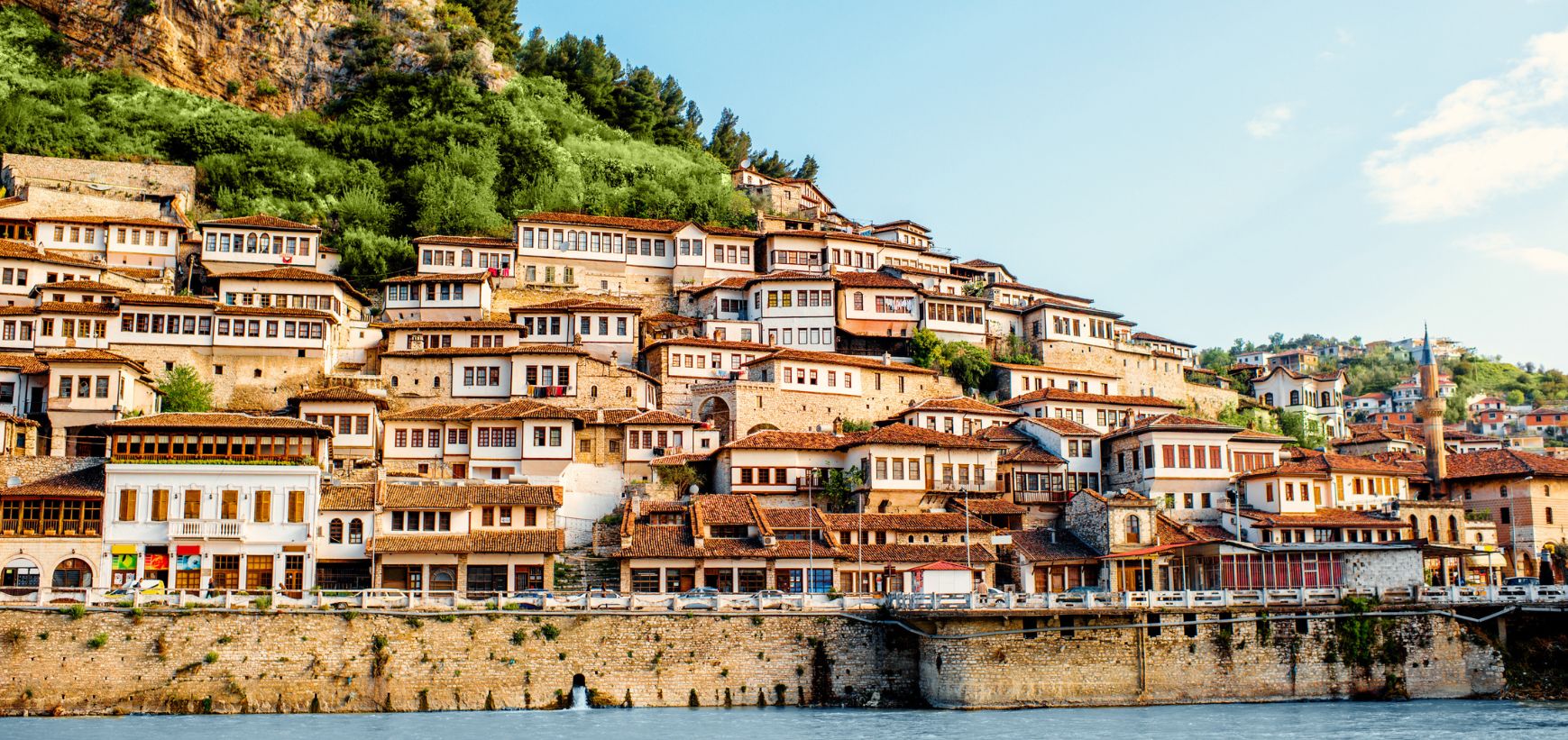
Albania is the wild card. It is perhaps the cheapest country in Europe to operate in, but it comes with some challenges.
- The Deal: Corporate tax is 15%. However, there are massive tax breaks if you invest in specific zones or in agriculture/tourism.
- The Ease: It can be tricky. The legal system is still maturing. You absolutely need a local lawyer to navigate the paperwork.
- The Opportunity: Agriculture and energy. The country is ripe for modernization in farming and renewable energy. It is high risk, but high reward.
7. Greece
Greece is back in the game. After a tough decade, the economy is recovering, and the government is pushing hard for investment.
- The Deal: Corporate tax is 22%. This is higher than others on the list, but new incentives often lower this significantly for foreign investors.
- The Ease: Greece is a full EU member with very strong legal protections. Bureaucracy is the main hurdle, as things move slowly.
- The Opportunity: Tourism, food exports, and green energy. If you want a stable EU base with a lifestyle appeal, Greece is the top choice.
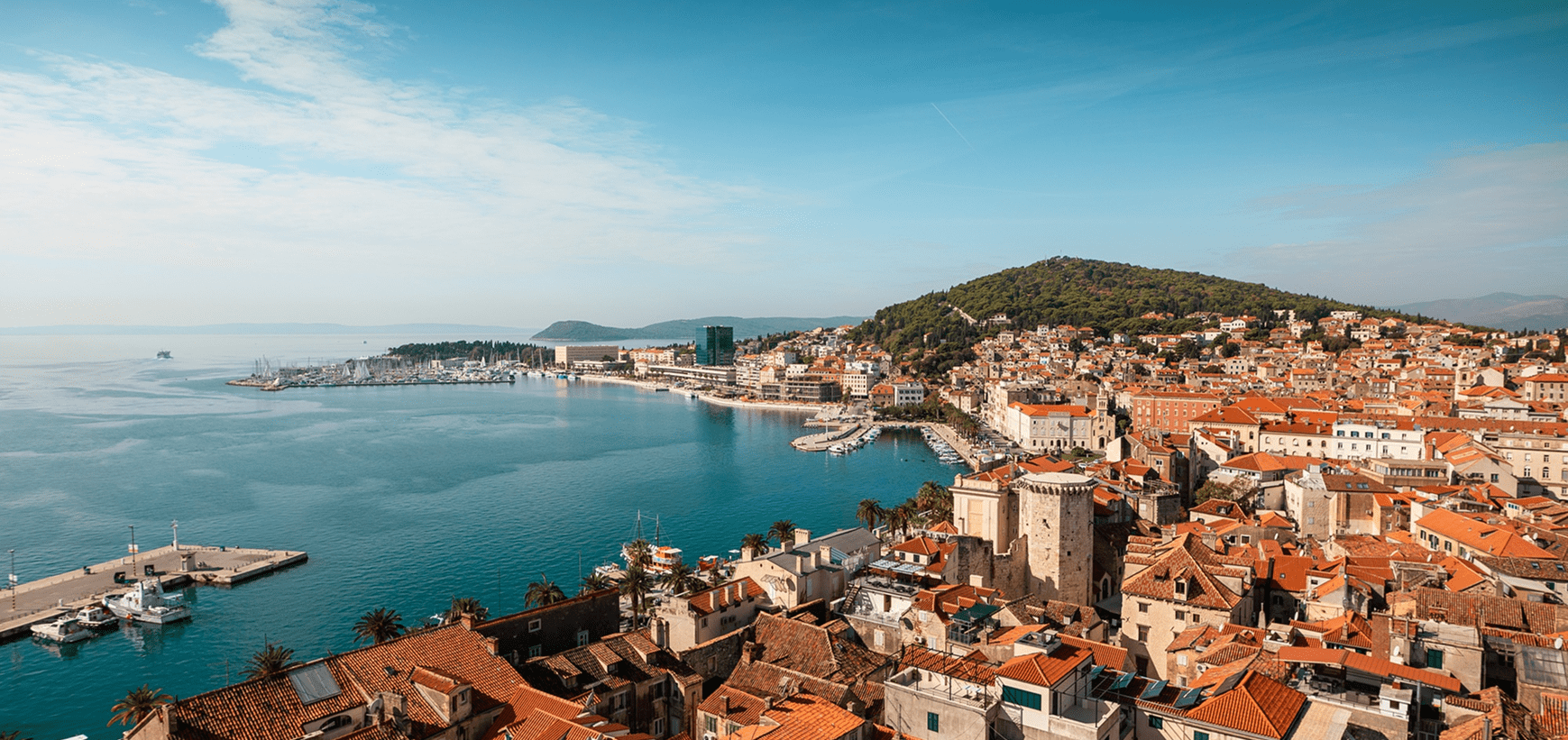
8. Croatia
Croatia has joined the Eurozone and the Schengen Area. This makes it one of the most stable places to do business in the region.
- The Deal: Corporate tax is 18%.
- The Ease: It is very safe and transparent, but administrative procedures can be burdensome.
- The Opportunity: Tourism and software. The coast is packed in summer, offering huge seasonal opportunities. Plus, the tech scene in Zagreb is growing rapidly.
9. Slovenia
Slovenia is often overlooked because it is small, but it is arguably the most stable and wealthiest country in the region.
- The Deal: Corporate tax is 19%.
- The Ease: It is incredibly easy to do business here. The digital services are top-notch, and corruption is low.
- The Opportunity: Manufacturing and logistics. It acts as a gateway to Central Europe. If you want a safe, low-drama environment, Slovenia is perfect.
10. Bosnia and Herzegovina
Bosnia is complex. It has a complicated government structure, which can make doing business in the Balkans tricky here. However, the cost of labor is incredibly low.
- The Deal: Corporate tax varies by region (Republic of Srpska vs. Federation), but generally sits around 10%.
- The Ease: This is the hardest country on the list for bureaucracy. It requires patience and local partners.
- The Opportunity: Metalworking, textiles, and wood processing. If you need cheap manufacturing and have the patience to handle the paperwork, the margins can be excellent.
Key Factors to Consider
When you are picking a country, don’t just look at the tax rate. You have to look at the whole picture.
- Labor Market: In Romania and Serbia, tech talent is expensive but available. In Bosnia or Albania, general labor is very cheap, but specialized skills might be harder to find.
- EU Membership: If you want easy access to the EU single market, stick to Croatia, Slovenia, Bulgaria, Romania, and Greece. Non-EU countries like Serbia or Albania offer tax breaks but have more trade barriers.
- Corruption and Red Tape: This varies. Slovenia and Estonia (not Balkan, but a comparison) are clean. Others may require you to hire a local “fixer” or lawyer to get things done faster.
The Risk vs. Reward Balance
Finding the best Balkan countries to start a business is about balancing risk.
- Low Risk: Slovenia, Croatia. You pay more tax, but you sleep well at night knowing your investment is safe.
- Medium Risk: Bulgaria, Romania, Serbia. Great growth, low tax, but still some bureaucracy.
- High Risk: Albania, Bosnia. Massive potential for profit due to low costs, but the legal systems can be unpredictable.
Conclusion
The Balkans have moved way past that old “wild east” reputation. They are modernizing quickly, and the business opportunities are growing every day. Whether you want the safety of Slovenia, the tech hub of Serbia, or the easiest Balkan countries to start a business in North Macedonia, there is a perfect spot for you.
2026 is going to be a big year for the region. Don’t wait until everyone else catches on. Do your homework, pick the country that fits your business model, and take the leap. The cost of entry is low, and the potential for growth is huge.
Frequently Asked Questions
1. Which Balkan country has the lowest corporate tax?
Bulgaria and Montenegro both offer incredibly low rates. Bulgaria is at 10%, and Montenegro is at 9%. However, North Macedonia offers special zones where the effective tax rate can be 0% for certain industries.
2. Is it easy for foreigners to open a company in the Balkans?
Yes, generally it is easier than in many Western countries. Most countries allow 100% foreign ownership. You will need a local address and usually a local bank account, but the registration process can often be done in a few days.
3. Do I need to speak the local language to do business?
While English is widely spoken, especially among the younger generation and in the business community, knowing the local language (or hiring a local assistant) is a huge help. It makes dealing with government offices much smoother.
4. Are there incentives for foreign investors?
Absolutely. Almost all countries on this list offer incentives. These range from tax holidays for the first few years (like in North Macedonia and Albania) to cash grants for creating jobs (common in Serbia and Romania).
5. Is the Balkan region stable for business?
Yes, for the most part. EU member states are very stable. Non-EU countries are also politically stable and are actively working to improve their business climates to attract foreign money.