



Tax season. Just those two words can give you a headache. If you run a business or work in a place like the US or Western Europe, you know the drill. Stacks of paper, confusing forms, and the sinking feeling that the government is taking a huge bite out of your hard work. But what if it didn’t have to be that way? What if filing your taxes took minutes instead of days?
This is the reality in many parts of the Balkans. The region has become a magnet for investors and entrepreneurs because of simple taxation in the Balkans. Instead of complicated deductions and endless brackets, many countries here use a “flat tax.” You earn, you pay a set percentage, and you are done. It is transparent, quick, and easy to understand.
In this article, we will look at the flat tax in Balkan countries and other nations with simplified systems. We will show you where the tax codes are friendly and where you can keep more of your money without needing an army of accountants.
What Makes a Tax System “Simple”?
Before we dive in, let’s define what we mean by simple. A simplified tax system in the Balkans usually means one of two things:
- Flat Tax: Everyone pays the same rate. If you earn €10,000, you pay 10%. If you earn €1,000,000, you also pay 10%. No penalties for success.
- Micro-Tax Regimes: A simplified system for small businesses where you pay tax on revenue (money coming in) rather than profit. This saves you the hassle of tracking every single receipt.
These systems are designed to get people to pay up rather than hide. When the rates are fair and the paperwork is easy, people are more likely to comply.
The Top 10 Countries
Here are the ten countries where you will find the friendliest tax environments in 2026:
1. Bulgaria
Bulgaria is the grandfather of the flat tax in the EU. It has been using this system for a long time, and it works.
- The System: 10% Flat Tax.
- How it works: Whether you are a solo freelancer or a big corporation, you pay 10% on your income. It applies to both personal income and corporate profits.
- Why it is great: It is incredibly predictable. You know exactly what you owe. It is also the lowest flat rate in the entire European Union.
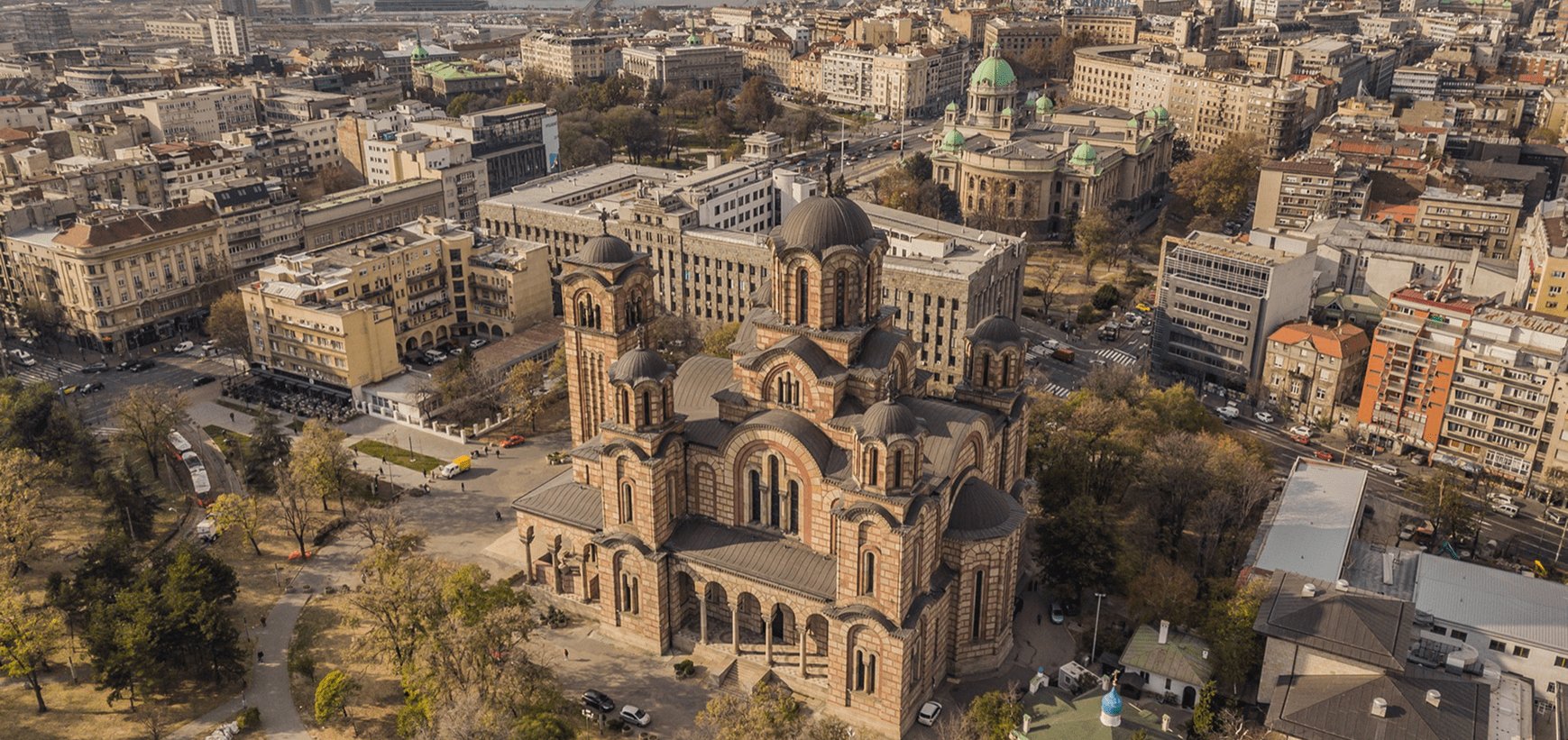
2. Serbia
Serbia has become a powerhouse for IT and outsourcing companies. They know that to attract foreign talent, they need a simple code.
- The System: 10% Flat Tax.
- How it works: Like Bulgaria, personal income is taxed at 10%. Dividends are taxed at 15%, which is still very low.
- Why it is great: The government has stripped away a lot of the bureaucracy for tech companies and freelancers.
3. North Macedonia
This small country is serious about business. They are actively trying to lure manufacturing and tech companies.
- The System: 10% Flat Tax (with some zeros).
- How it works: The standard rate is 10%. However, if you open a business in a “Technological Industrial Development Zone,” you might pay 0% corporate tax for the first ten years.
- Why it is great: The incentives here are aggressive. It is a perfect example of simple taxation in the Balkans designed to boost the economy.
4. Kosovo
As one of Europe’s newest countries, Kosovo has built a modern system from scratch.
- The System: 10% Flat Tax.
- How it works: A straight 10% on personal income and corporate profits.
- Why it is great: There are almost no loopholes and very few brackets. It is perhaps the simplest system in the region. You earn, you pay 10%, you keep the rest.
5. Romania
Romania recently made some changes to its tax laws, moving away from a pure flat tax for very high earners. However, for most small businesses, it remains a dream.
- The System: 1% to 3% Micro-Tax on Revenue.
- How it works: Instead of calculating profit, small businesses just pay a tiny percentage of their total income to the state. For most, this is just 1% or 3%.
- Why it is great: You do not need an accountant to track expenses. You just look at your bank account and pay 1% of what came in. It cannot get simpler than that.
6. Montenegro
Montenegro is not a pure flat tax country, but it is very close. They use a progressive system, but the top rate is low.
- The System: Progressive Tax (9% to 15%).
- How it works: If you earn up to the average salary, you pay 9%. The highest bracket caps at 15%.
- Why it is great: While it is technically progressive, 15% is still a “low flat” rate compared to the 45% seen in other parts of Europe. The brackets are wide and easy to understand.
7. Republika Srpska (Bosnia & Herzegovina)
Bosnia is a complex country with two entities. Republika Srpska (the Serb part) is very business-friendly.
- The System: 10% Flat Tax.
- How it works: Residents pay a flat 10% on wages and other income.
- Why it is great: It creates a competitive environment within the region. Cities like Banja Luka are attracting businesses because the tax code is so straightforward.
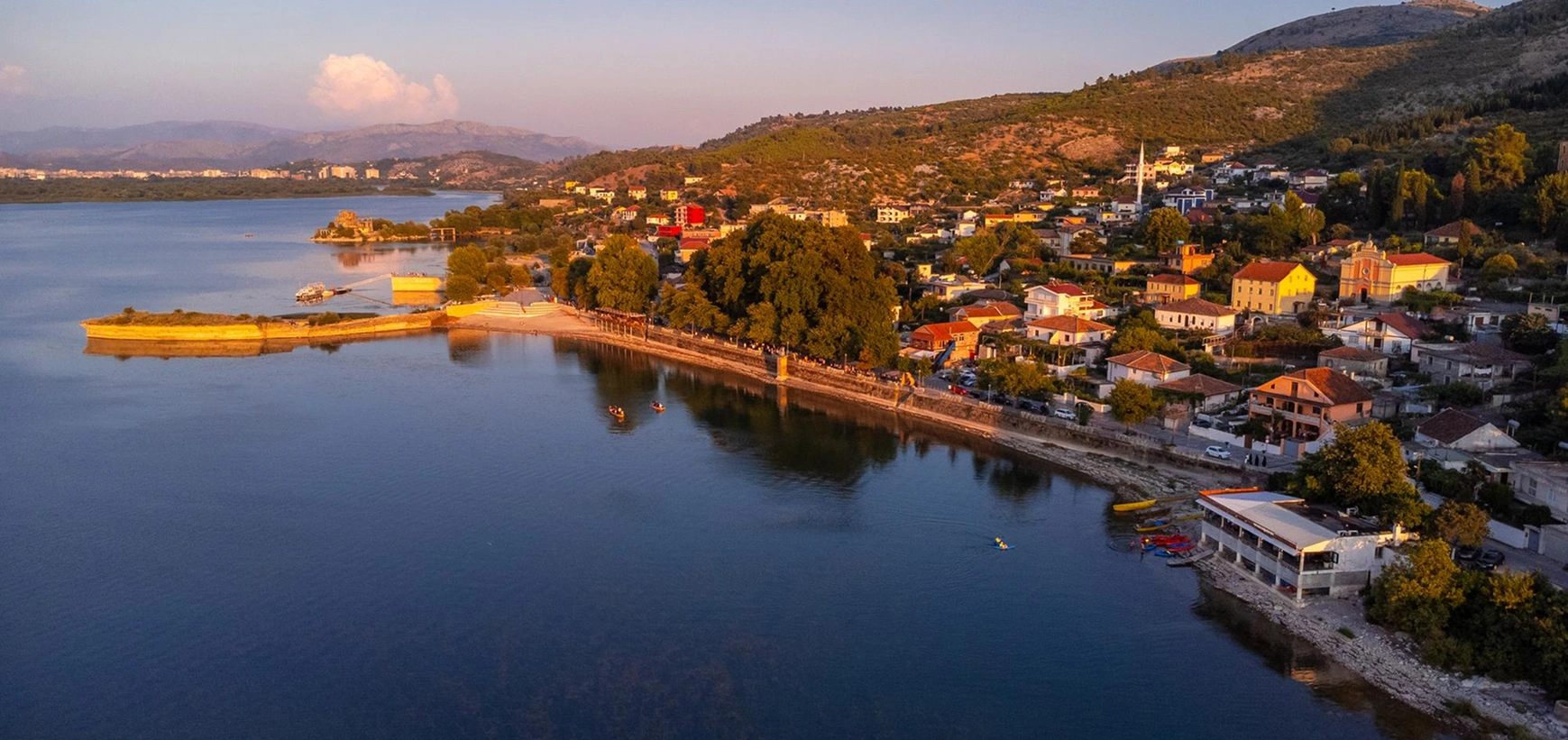
8. Albania
Albania is shaking off its old image and is now a very market-friendly economy.
- The System: Progressive (10% to 13%).
- How it works: The rate starts at 10% for average earners and goes up to 13% for high earners.
- Why it is great: Even the highest rate (13%) is very low. The system is simple, and the cost of living is rock bottom, making your money go much further.
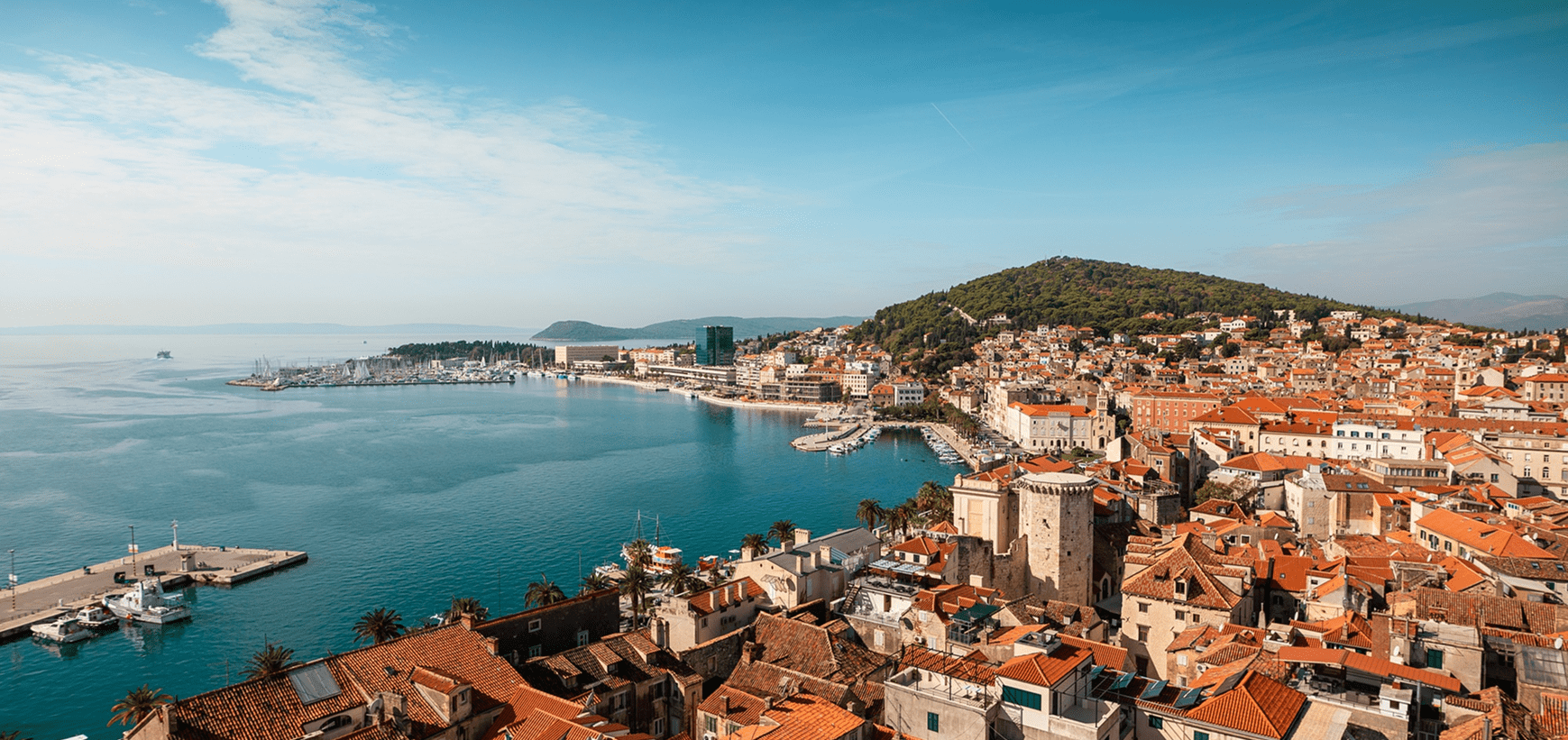
9. Croatia
Croatia used to have complicated tax brackets, but they recently overhauled the system to make it more competitive.
- The System: 20% Flat Tax.
- How it works: As of recent reforms, Croatia moved to a flat 20% income tax rate for employment and self-employment.
- Why it is great: While 20% is higher than Bulgaria, it is still simple. The main draw here is that Croatia is now part of the Schengen Zone, so you get easy travel access along with a simplified tax code.
10. Greece
Greece is an outlier because it usually has high taxes. However, they have a special program that simplifies life for wealthy foreigners.
- The System: “Non-Dom” Regime (Flat Fee).
- How it works: If you qualify, you pay a fixed fee of €100,000 per year on your foreign income. It doesn’t matter if you earn 5 million.
- Why it is great: For high-net-worth individuals, this is the ultimate simplicity. You don’t calculate percentages; you just pay the flat fee and forget about it.
Why a Flat Tax Matters to You
You might be wondering, “Is the system that important?” Yes, it is.
- Less Stress: You don’t have to worry about jumping into a higher tax bracket if you get a raise.
- Savings on Experts: When the system is simple, you don’t need to hire expensive tax lawyers to find loopholes. The loophole is the low rate itself.
- Planning: You can plan your future. You know exactly how much you will keep.
The “Catch” to Watch For
While flat-tax Balkan countries are great, you still need to be smart.
- Social Security: In some places, social contributions can be high. For example, in Romania or Bulgaria, you might pay 10% income tax plus another 10-15% for social security. Always check the total burden.
- VAT: Value Added Tax (sales tax) is different from income tax. In the Balkans, VAT is usually around 20%. This matters if you are running a business that sells goods.
Conclusion
The Balkans are offering something that is becoming rare in the world: simplicity. Whether you choose the 10% flat rate of Bulgaria, the micro-tax of Romania, or the Non-Dom deal in Greece, you have options.
These countries understand that in a global economy, they have to compete for you. They are removing red tape and lowering rates to make your life easier. If you are tired of complex tax codes, it might be time to look east. The Balkan tax systems are ready for you.
Frequently Asked Questions
1. What is the difference between a flat tax and a progressive tax?
A flat tax means everyone pays the same percentage. A progressive tax means the percentage gets higher as you earn more. The Balkans mostly favor flat or low progressive taxes to keep things simple.
2. Which country has the absolute lowest tax rate?
Bulgaria, Serbia, North Macedonia, and Kosovo all offer a 10% flat income tax rate, which is among the lowest in the world.
3. Can I use these simplified systems if I am a foreigner?
Yes, generally once you become a tax resident (usually by living there for more than 183 days a year), you can benefit from the local tax rates.
4. Is Romania still a good choice if they changed to a progressive tax?
Yes, for many. While the income tax on high salaries went up, the “micro-company” tax (1-3% on revenue) is still a massive benefit for small business owners and freelancers.