



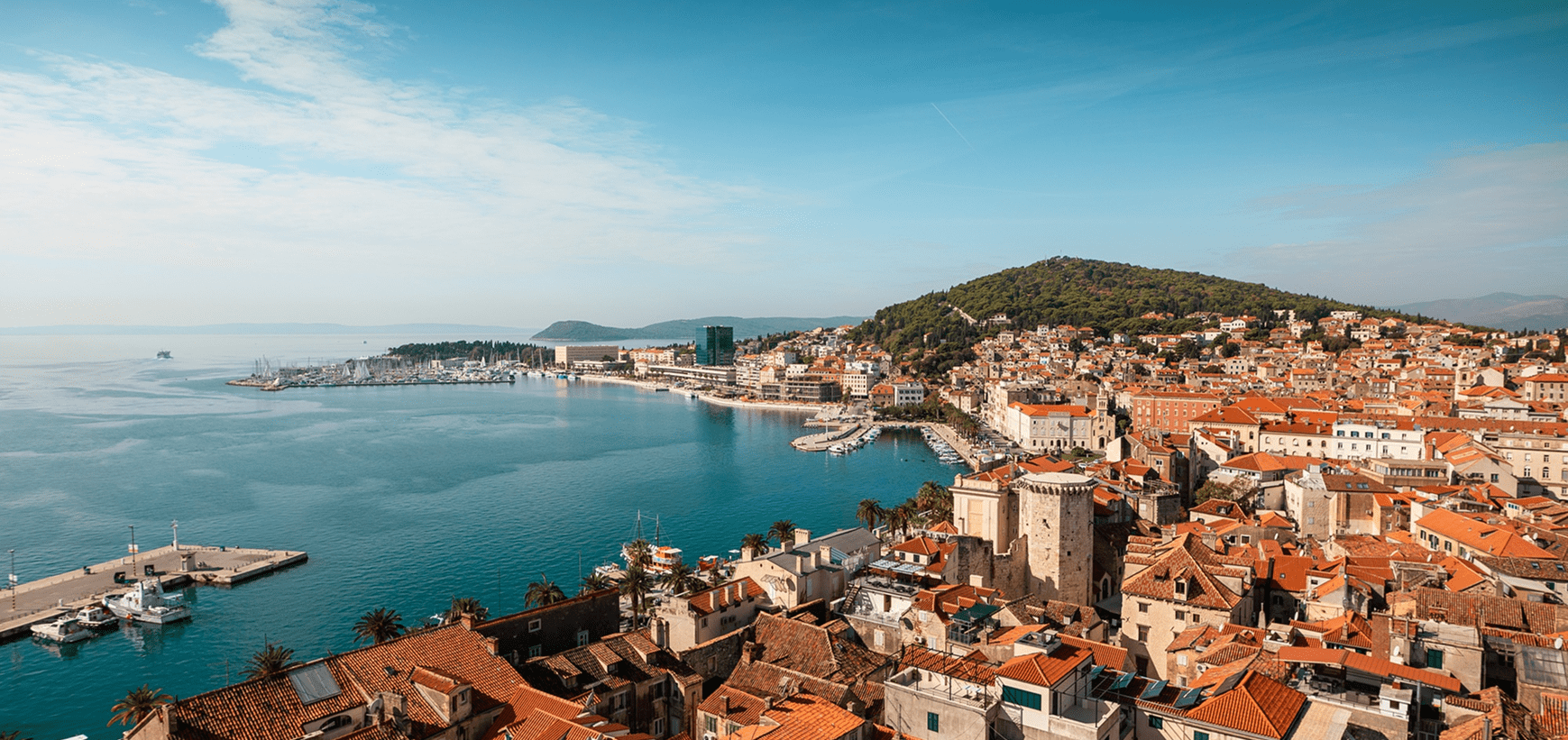
Let’s be honest: everyone knows about the “Game of Thrones” walls in Dubrovnik, the massive palace in Split, and the chaotic party scene in Hvar. But here’s a fact that often gets overlooked: for every five tourist-trampled spots you see on Instagram, Croatia has hidden a dozen breathtaking alternatives.
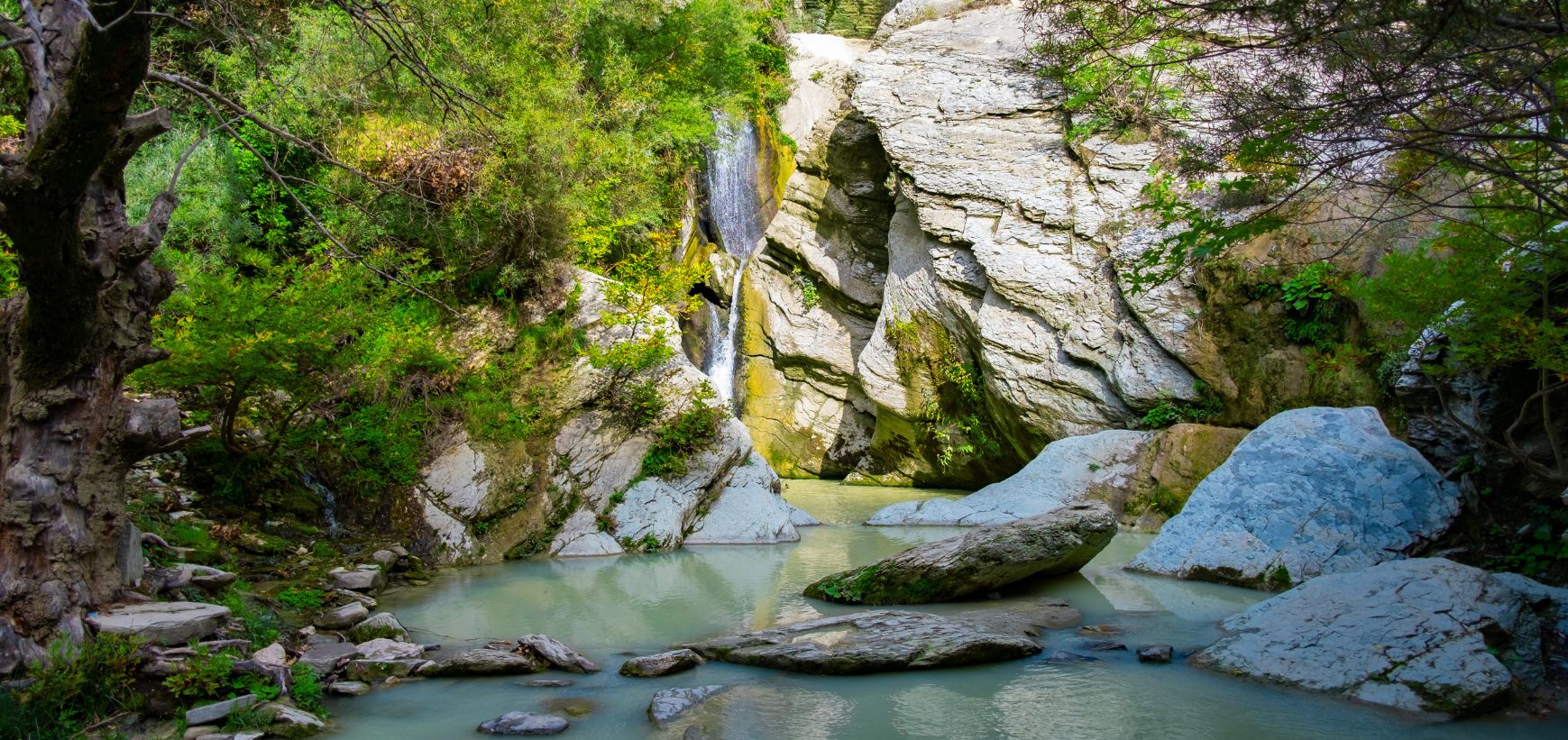
Imagine ancient hilltop towns where you’re the only strangers sipping wine on the terrace. Think of islands so untouched they feel like a movie set. Picture waterfalls cascading through lush forests where the only noise is rushing water and birdsong. These spots aren’t hidden because they are impossible to find; they’re hidden simply because the heavy hitters of Croatian tourism overshadow them.
Tourism here has exploded over the last decade. While that’s great for the economy, finding an unadulterated experience, one free of crushing crowds, has gotten harder. But if you’re willing to veer slightly off the main route, Croatia still offers that beautiful allure: ancient history, genuine local culture, and zero tour groups.
In a world where we think everything has been discovered, much of Croatia remains under a seal of secrecy. It’s not the kind of secret that requires a treasure map; it’s the kind locals have kept to themselves for centuries.
Consider this your map to the “real” Croatia. The one where your photos look different from everyone else’s. The one where you won’t find menus translated into seven languages. The one where you might actually meet a local who isn’t trying to sell you something.
Let’s unveil Croatia, the way most visitors never see it.
Istria Region: Croatia’s Tuscany (Without the Crowds)
-
Motovun – The Truffle Capital Perched in the Sky
Step into this town, and it feels like nature just decided to show off. It’s a medieval cling-to-the-hillside wonder, surrounded by vineyards and dense, calming forests. While the coast gets slammed, this Istrian hilltop town remains peacefully quiet.
Encircled by 13th-century walls that you can actually walk on, Motovun offers stunning views of the Mirna Valley. With a population under 1,000, strolling the cobblestones feels like time travel. But Motovun isn’t just about the views; it’s about the food. The surrounding woods are bursting with black and white truffles, making this one of Europe’s truffle capitals, at a fraction of the cost of Italy. You can find truffle pasta for €10-15 in local konobas (tavernas).
The Insider Tip:
Park at the bottom of the hill (it’s free) or pay a small fee to park closer to the town gate. The walk up is steep but short. Don’t miss Konoba Mondo for truffle dishes.
-
Grožnjan – The Artist Village Time Forgot
Just 20 minutes from Motovun lies Grožnjan, a walled hilltown with a unique history. After WWII, the Italian residents left, and the town nearly died. Then, in the 1960s, artists moved in and transformed it into a “City of Artists.”
Today, it’s a quiet maze of medieval streets populated by artist studios and galleries. You can stroll practically alone, watching real artists work rather than browsing mass-produced souvenirs. It’s a stark contrast to the tourist hot spots on the coast.
The Insider Tip:
Parking is cheap or free. Most galleries are free to enter, but bring cash, small spots often don’t take cards.
Dalmatian Coast & Islands: Beyond Dubrovnik and Hvar
-
Island of Lastovo – The Most Secluded Inhabited Island
If you want to disappear, go to Lastovo. Until the early 1980s, this island was a Yugoslav military base, closed to foreigners. That isolation shielded it from the tourism boom, and it remains the purest of all Croatian islands. About 70% of the island is covered in greenery.
It’s not easy to get here, you need a ferry from Split or Dubrovnik (4-5 hours) or a catamaran from Korčula. That journey filters out the rowdy crowds. What you get are dazzlingly clear waters, deserted beaches, and starry skies that will ruin the city living forever.
The Insider Tip:
Plan for 2-3 nights to make the ferry ride worth it. Book accommodation early; options are scarce. Bring cash and load up on supplies, you’re on your own here.
-
Kornati Islands National Park – 89 Islands, Almost No People
It’s shocking that Kornati isn’t in every guidebook. It consists of 89 uninhabited islands and reefs, creating one of the most dramatic archipelagos in the Mediterranean. The landscape is raw: sheer limestone cliffs rebel against the Adriatic, with little vegetation but endless stone and sky.
Accessible only by boat (via day trip from Zadar/Šibenik or private charter), it attracts sailors and divers who want nature without the infrastructure. No Wi-Fi, no beach cafes. Just water, stone, and sky.
The Insider Tip:
Budget €50-80 for a day trip from Zadar, including lunch. Book your park permit in advance. May to September offers the calmest seas.
-
Brela – The Beach Town Dubrovnik Used to Be
Just an hour north of Makarska, Brela gets a fraction of the visitors. It has some of Croatia’s finest beaches (consistently winning Blue Flag awards) and the mighty Biokovo mountain range as a backdrop.
Punta Rata beach is iconic, featuring a famous rock jutting out of turquoise water that looks photoshopped. Unlike Hvar, Brela appeals to families and low-key travelers. There are smart hotels and restaurants, but no mega-resorts or cruise ship crowds.
The Insider Tip:
Visit in June or September to avoid the scorching peak-summer heat. Rent a car to explore nearby mountain villages.
-
Island of Vis – The Last Forbidden Island
Vis remained a military area until 1989, keeping it isolated from the tourist lifestyle. That late development preserved its authenticity. The island has two distinct faces: Vis Town (Venetian architecture, waterfront promenade) and Komiza (a charming fishing village).
Between them lie some of Croatia’s best beaches, including Stiniva Cove—a fjord-like beach that is peaceful despite its fame. Vis is also Croatia’s wine island, producing some excellent local vintages. It attracts sailors and locals rather than massive package tours.
The Insider Tip:
Ferries run year-round from Split. Rent a scooter or car to explore the island’s interior parks. Book accommodation early for July/August.
Inner Croatia: Where Waterfalls Merge Into Medieval Towns
-
Rastoke – The “Small Plitvice” (No Crowds, No Fee)
While masses flock to Plitvice Lakes National Park, most miss Rastoke. Just 30 minutes away, the Slunjcica and Korana rivers collide here, sending waterfalls cascading through an old miller’s village. It looks like a fairytale, traditional wooden houses perched over rushing water.
It’s small, passable in 30 minutes—but magical. You get the lush scenery of Plitvice without the entry fee or the crowds.
The Insider Tip:
There’s no formal entrance fee (some trails might charge €2-5). Combine this with a morning trip to Plitvice for a full day of waterfalls.
-
Skradin – The Inviting Gate to Krka
Everyone heads to Krka National Park for the waterfalls and leaves. They miss Skradin, the picturesque town on the riverbank. This is where the Krka River meets the sea, creating a unique ecosystem. The Venetian-style old town slopes down to the water, lined with romantic restaurants serving top-tier seafood.
After the day-trippers leave, the evening promenade belongs to the locals. It’s the perfect, slow-paced end to a day of hiking.
The Insider Tip:
Small, good-value hotels and pensions are available here. Boats to Krka’s waterfalls leave from Skradin’s harbor. Don’t miss the sunset from the Skradin Bridge.
Croatia: The Lesser Done: From Zagreb Northwards
-
Varazdin – The Baroque Beauty Nobody Visits
Varazdin was once the capital of Croatia. Today, only about 1% of tourists visit it. It’s a crime, because this northern city is a stunner. It boasts Baroque architecture, restored buildings, and a city center that feels like an open-air museum.
The old town is compact and walkable, centered around a 16th-century fortress. The pastel buildings and cafe-filled squares would be swamped if this were Prague or Vienna. Instead, it remains a sanctuary of quiet.
The Insider Tip:
An easy 1.5-hour bus ride from Zagreb. Visit the Saturday morning market for a true local experience.
-
Samobor – An Entrancing Day Excursion from Zagreb
Just 25 kilometers from the capital lies this fairytale town, loved by locals but unknown internationally. It sits at the base of the Samoborsko Gorje hills, offering castle ruins, hiking trails, and the best kremsnita (cream cake) in Croatia.
The vibe is Central European, not Mediterranean—think alpine landscapes and hearty food. It’s a favorite weekend escape for Zagreb residents.
The Insider Tip:
Combine with a stop in Zagreb. While in Samobor, hike up to the castle ruins to work off that cream cake.
How To Reach Croatia’s Hidden Pearls
-
Getting Around
To truly see these spots, you need a car. Public transport exists, but reaching small towns and islands on a schedule can be a nightmare. A car gives you the freedom to hop between hidden gems.
For islands like Lastovo and Vis, you must align your itinerary with the ferry timetables—they are less frequent than for the popular islands. Book ferry tickets early in the summer.
-
When to Visit?
May, June, late September, and October are your golden windows. You get perfect weather, lower rates, and significantly fewer crowds. January and February work for the inland spots like Varazdin, but be ready for the cold! Coastal services are limited from November to March.
-
Accommodation
Big hotels are rare in these small towns. You’ll find plenty of private apartments and guesthouses via Booking.com or Airbnb. For tiny places, contact the local tourist office for a list of registered homes.
-
Budget
These hidden gems are generally 30-50% cheaper than Dubrovnik or Hvar. Expect to pay €10-20 per person at a konoba. Private apartments range from €50-80 a night.
-
Combining the Gems with the Classics
You don’t have to choose between famous and hidden. Mix them:
- Istrian Loop: Explore Rovinj and Pula, but base yourself in Motovun.
- Islands with a Twist: Do Hvar for the party, then take a boat to tranquil Lastovo.
- Waterfall Double Feature: Hit Plitvice in the morning, Rastoke in the afternoon.
- Northern Loop: Zagreb, with day trips to Varazdin and Samobor.
Balance is key. See the famous sites, but save room for the alternatives. That’s how you get the best of both worlds.
Conclusion
Tourism in Croatia is booming, and the hotspots are busier than ever. Yet, the country still holds treasures that haven’t been celeb-ified by travel influencers. From Istria’s hilltop towns to the remote Adriatic islands and Baroque northern cities, these 10 locations offer untouched, crowd-free experiences.
The best part? They aren’t far, and they aren’t hard to reach. They are simply overshadowed by the heavyweights, waiting for curious travelers willing to take a detour.
As you plan your trip, remember that your fondest memories probably won’t come from jostling for a photo in Dubrovnik. They’ll come from sipping wine in a quiet hill town, swimming in a secluded cove, or watching a waterfall in a village where tour buses don’t go.
FREQUENTLY ASKED QUESTIONS
Q: Are these places truly “hidden” or just less popular?
A: They aren’t secrets to locals, but they are nowhere near as popular as Dubrovnik or Hvar. You won’t find tour buses or cruise ship crowds here—just basic tourism infrastructure and a lot more peace.
Q: Do I need to speak Croatian to visit these places?
A: Not at all. English is widely spoken throughout the country.