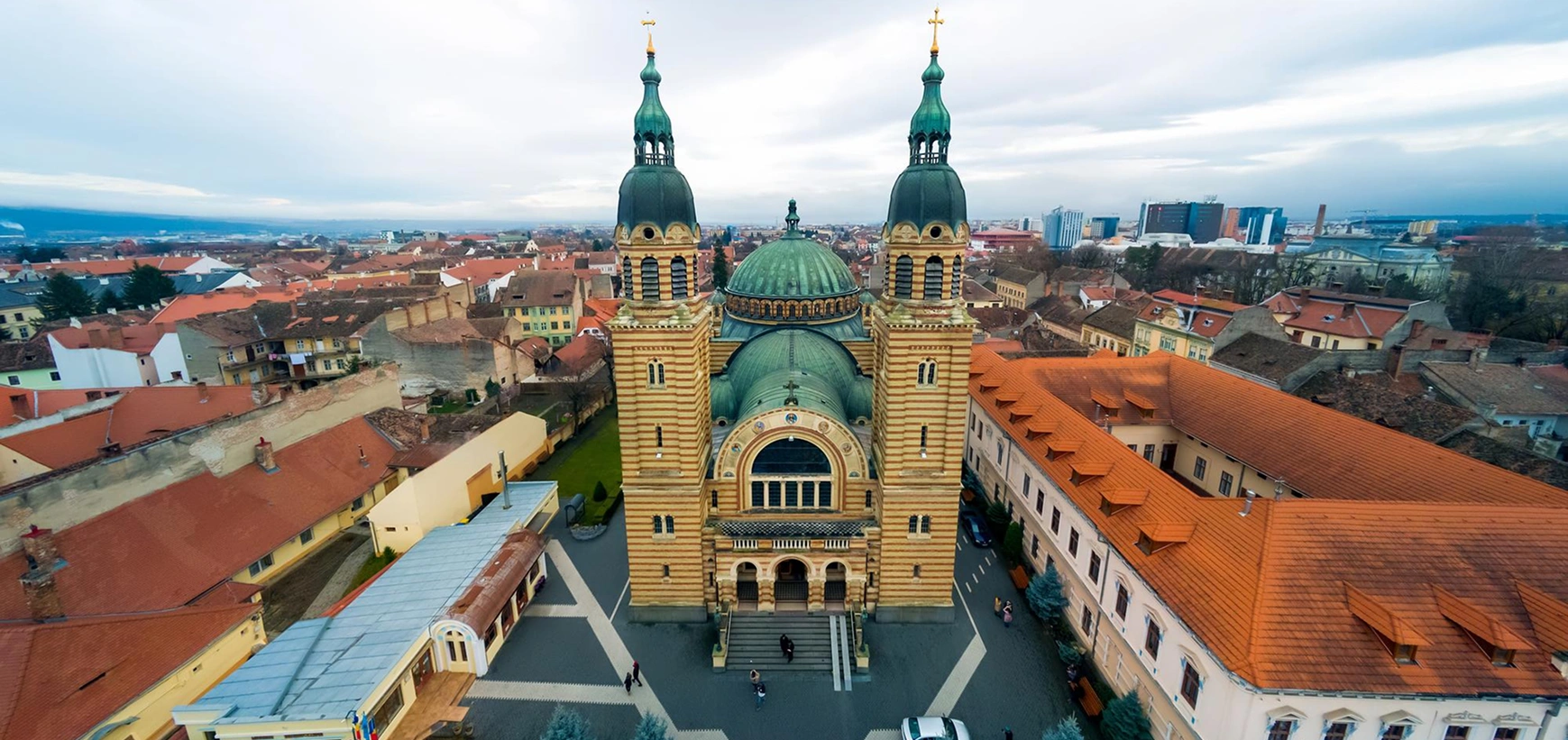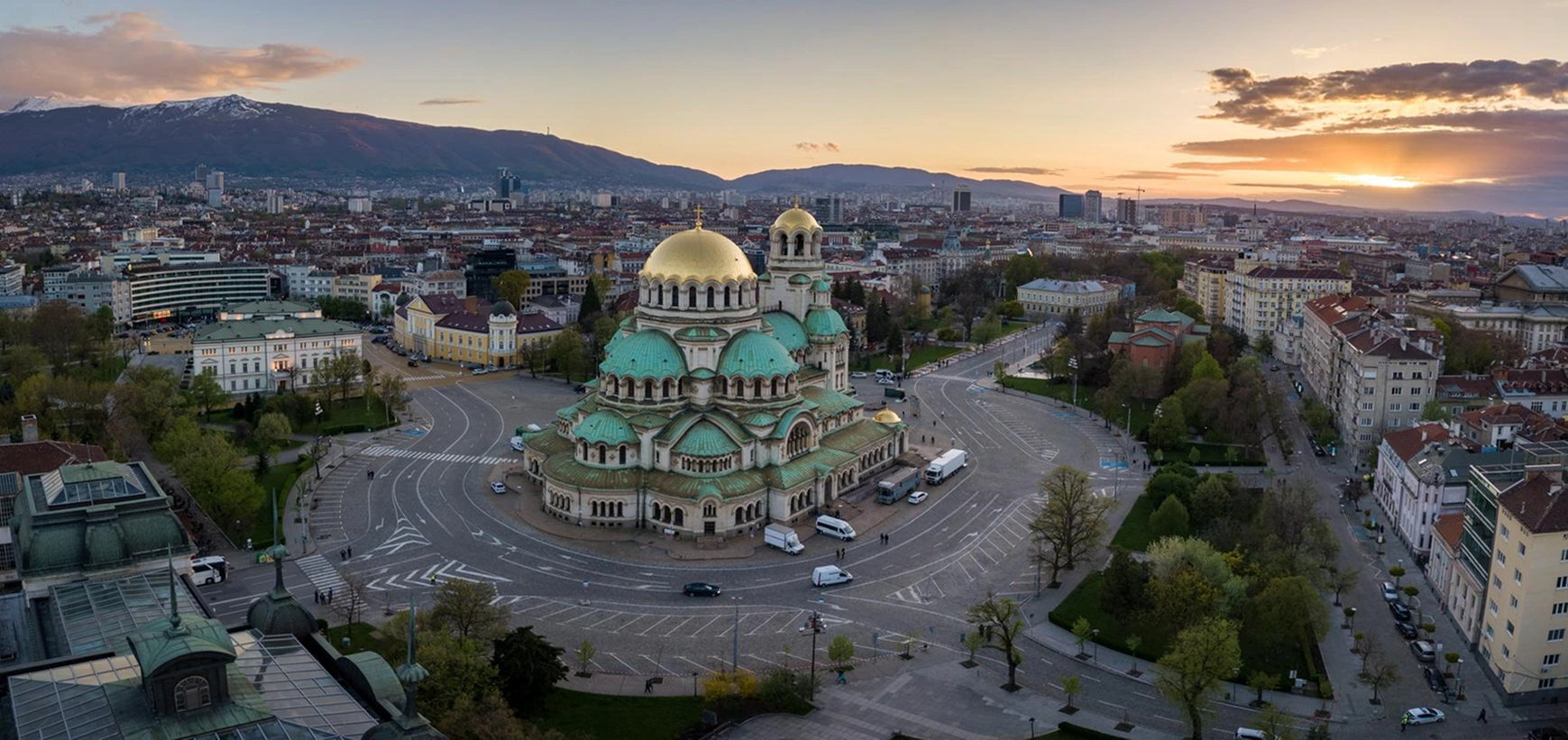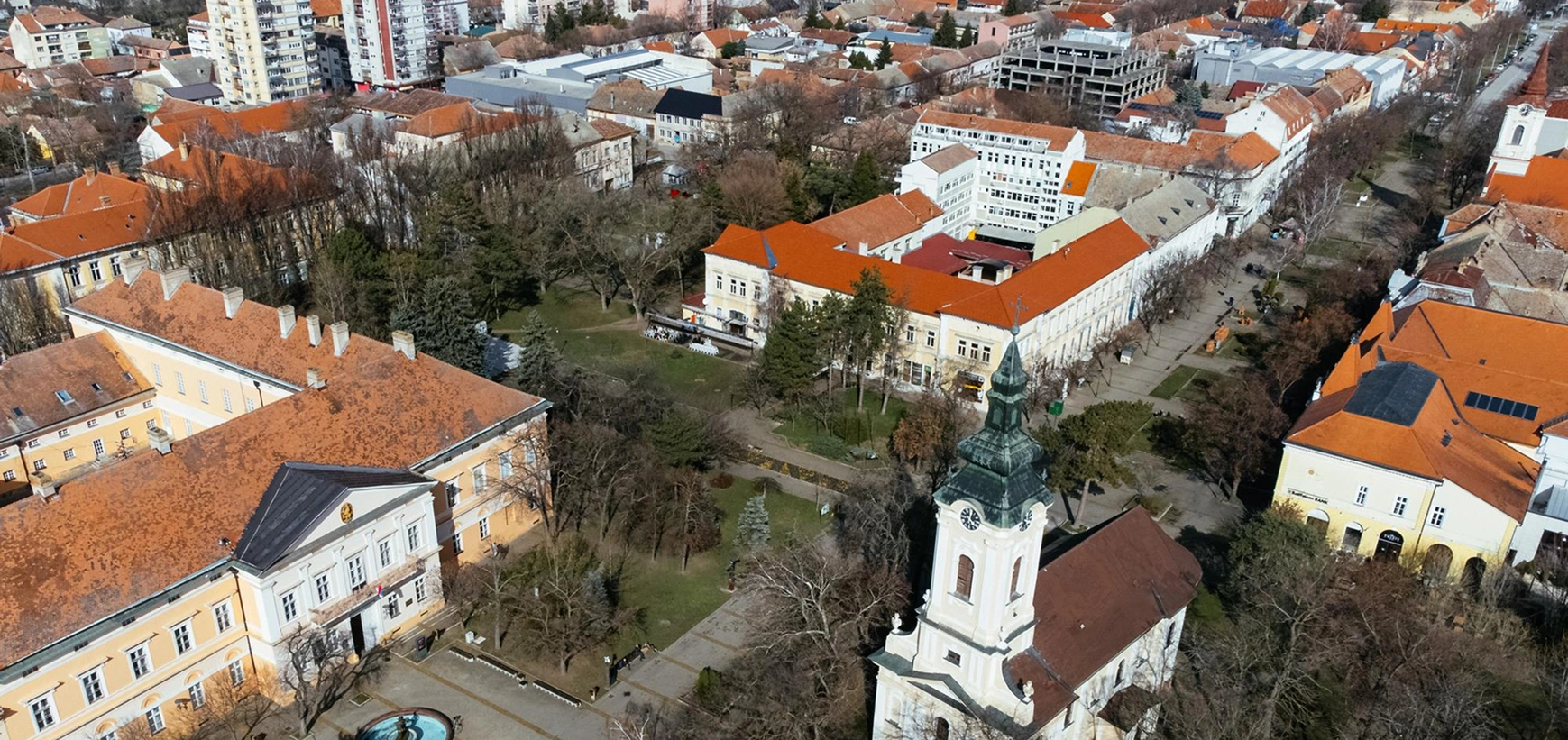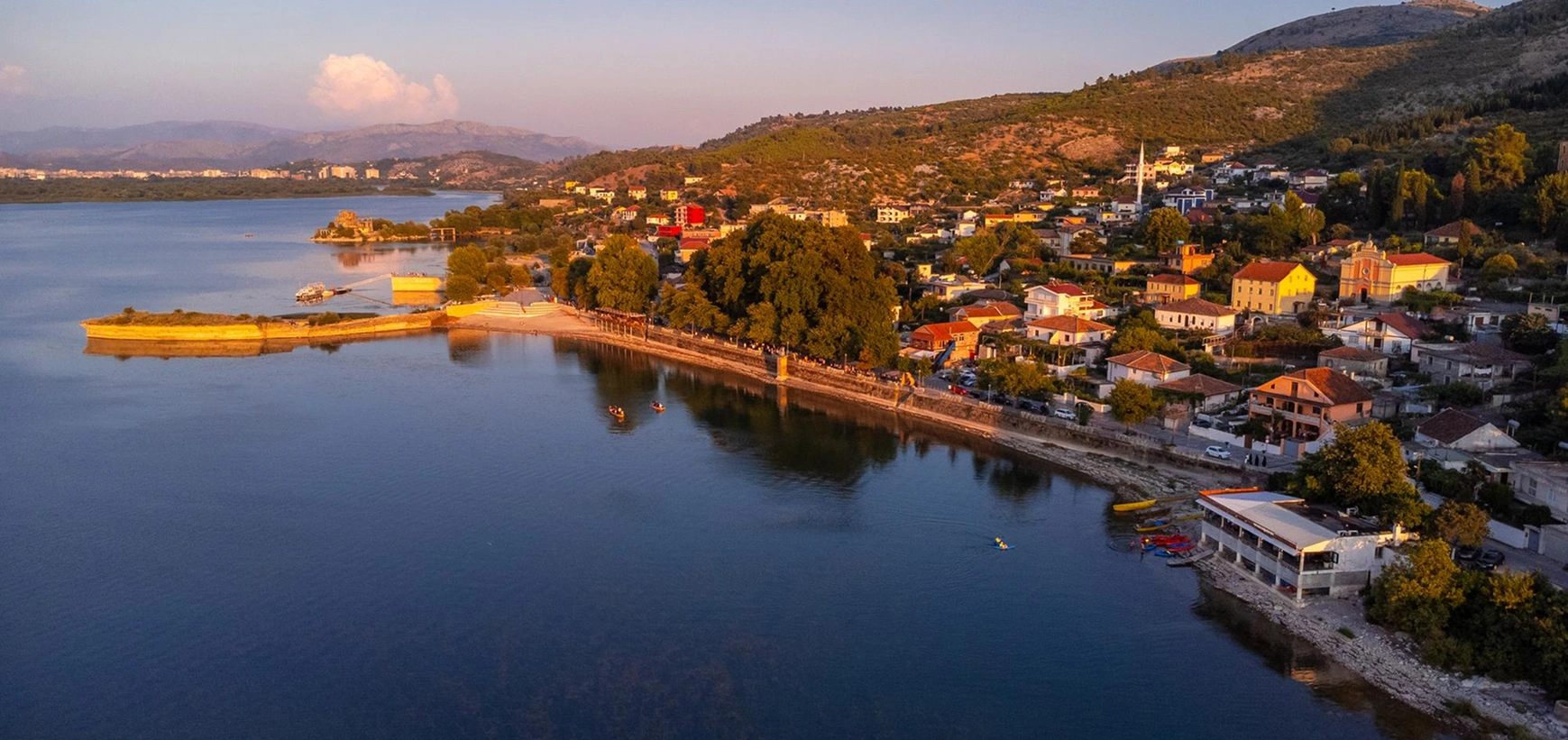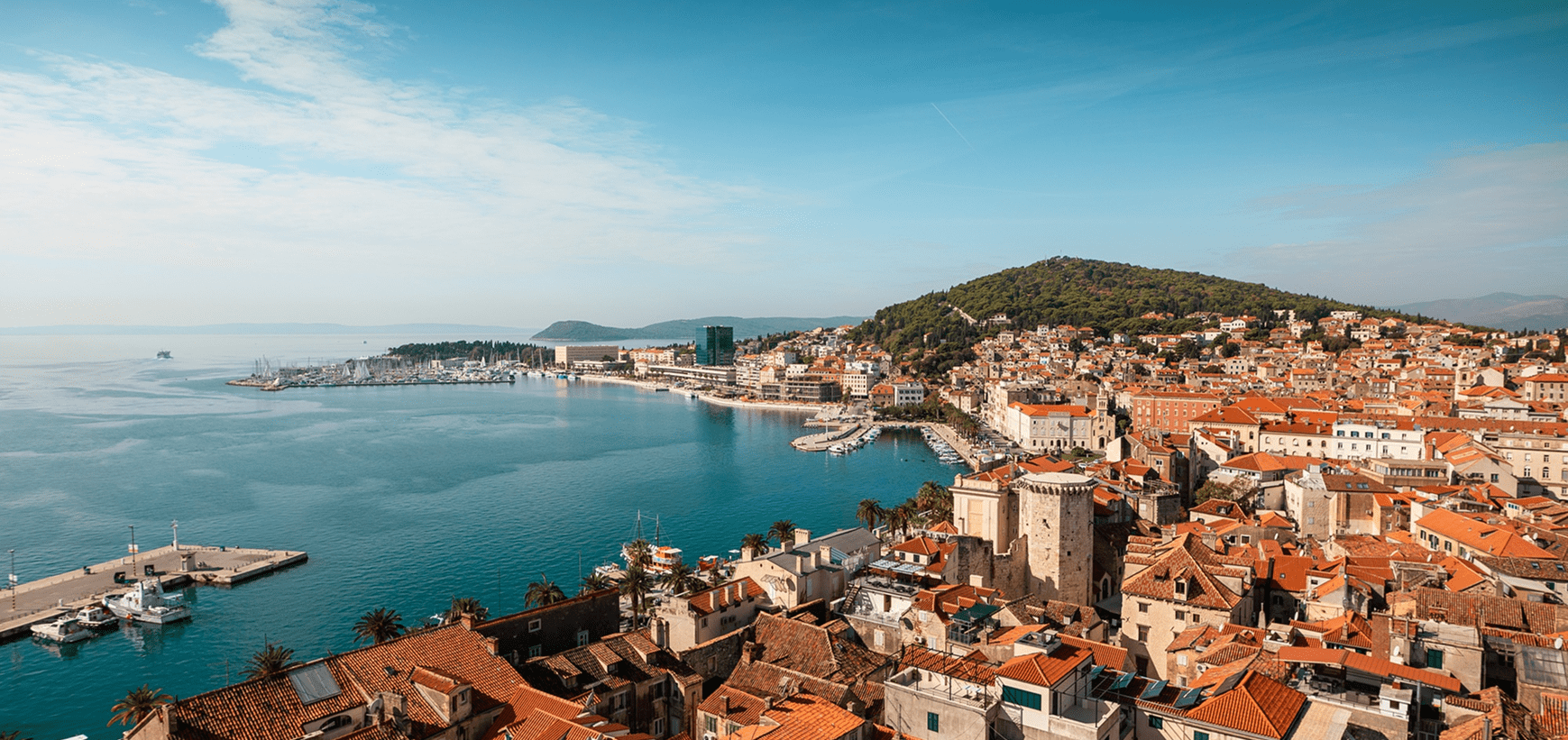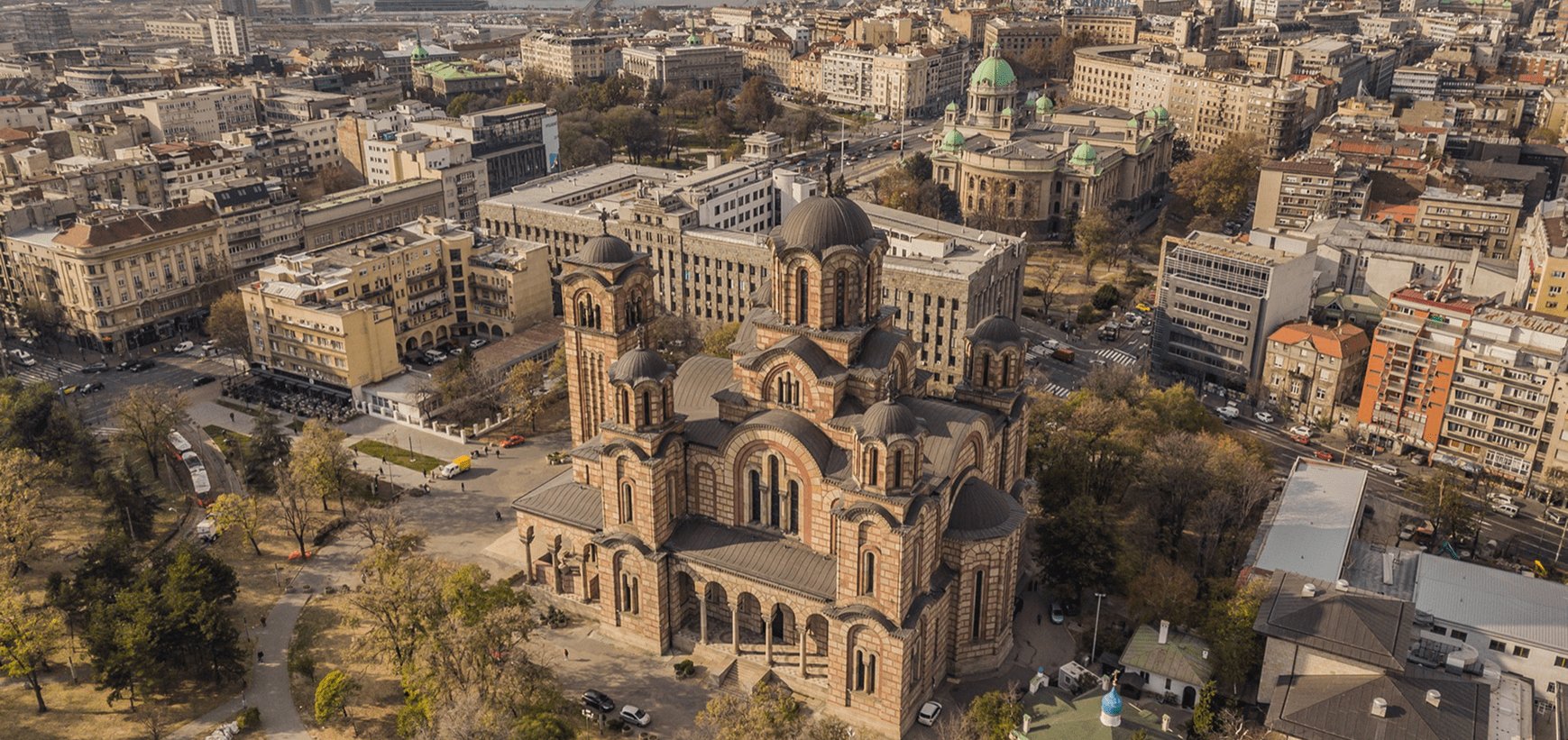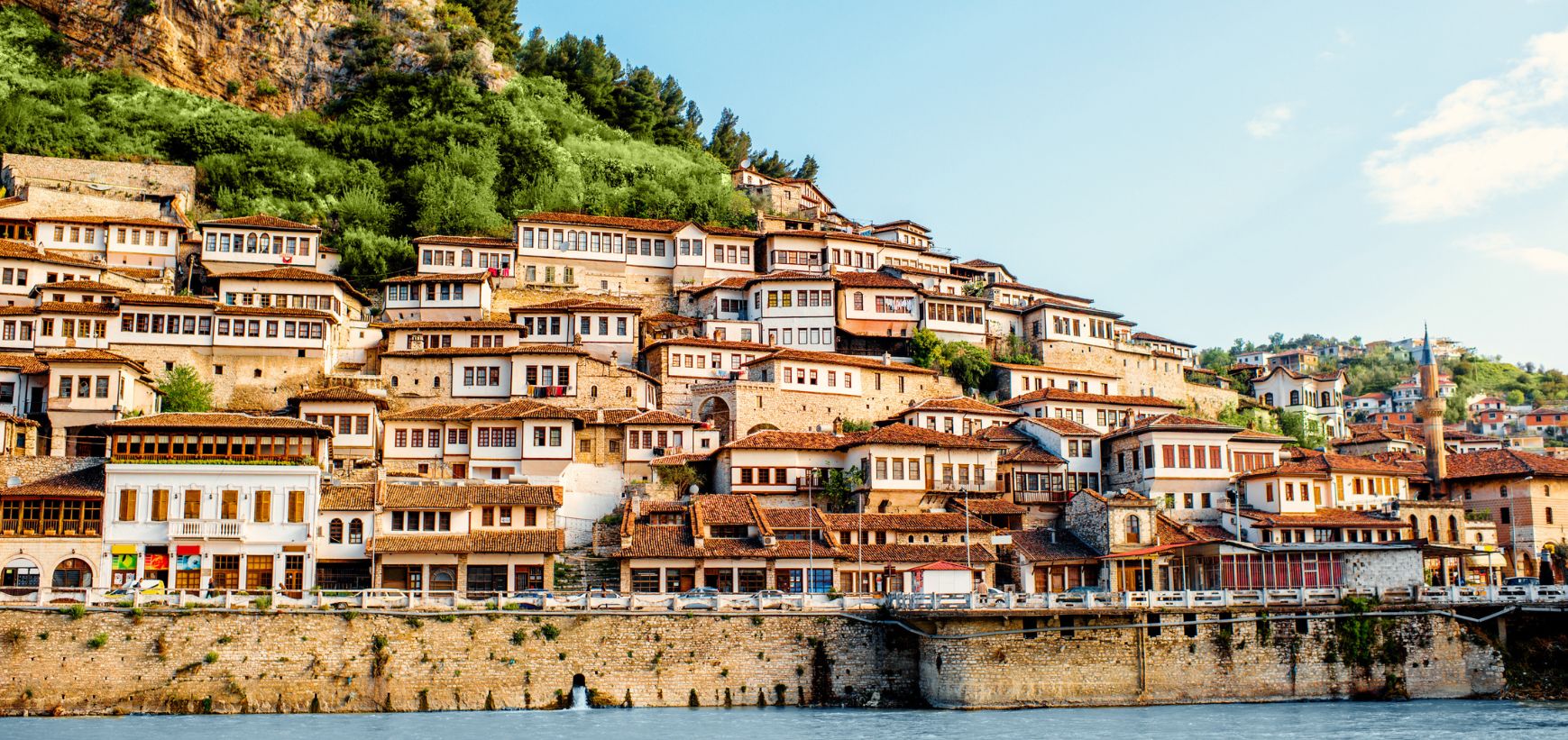




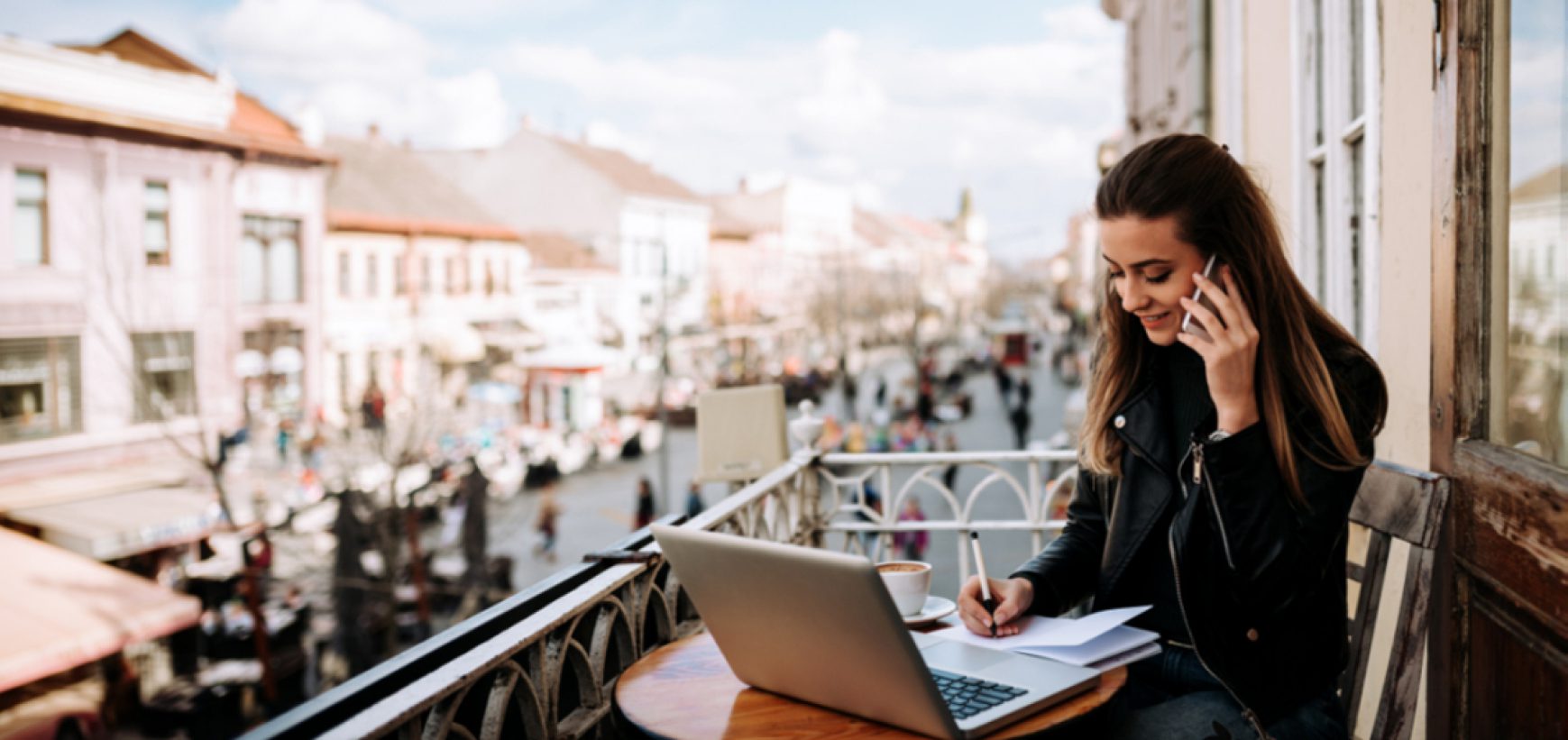
Imagine this: you’re sipping a hot coffee for €2 in a sun-drenched cafe, your laptop tethered to lightning-fast 500 Mbps internet, with mountains filling the backdrop. Oh, and your rent? It doesn’t break $600 a month.
Sounds too good to be true? Welcome to the Balkans, Europe’s secret weapon for digital nomads.
While everyone is fighting over coworking spots in Lisbon or Barcelona, smart remote workers are quietly setting up shop in the Balkans. Here, your dollar stretches further, the coffee is stronger, and the Wi-Fi is often faster than in Western capitals. This isn’t your cookie-cutter nomad destination; there are no Instagram-cliché crowds or overpriced “nomad” apartments. Just real cities with rich history, friendly locals, and excellent infrastructure for working on a budget.
In this post, we’re exploring the top 10 Balkan cities for digital nomad Balkans living that offer affordability, solid infrastructure, and vibrant culture in 2026. Whether you’re bootstrapping a startup or just dipping your toes into remote work for the first time, these cities are where you want to be.
Why the Balkans are Perfect for Digital Nomads
The Balkans have become the go-to region for remote work, but what’s the real draw?
- Cost of Living: In most capitals, you can live comfortably on $1,200–$2,000 a month, including rent, food, and coworking. That’s why they rank among the best Balkan cities for expats and nomads, compared with Barcelona or Lisbon, where you’ll easily drop over $3,500.
- Blazing Fast Internet: High-speed connections are everywhere. Cities like Bucharest and Belgrade regularly hit speeds over 500 Mbps. Romania, in particular, is a global leader in internet infrastructure.
- Nomad Visas are Opening: The gates are open. Americans can stay in Albania for a year visa-free. Bulgaria launched a specific digital nomad visa in December 2025. Croatia offers up to 18 months, and Slovenia joined the party in November 2025.
- Gateway to Europe: Most of these cities are within a 2-3 hour flight of major European hubs. Weekend trips to Italy, Greece, or Austria are easy. Plus, with Bulgaria and Croatia in the Schengen Zone, travel is seamless.
- Authentic Culture: These cities haven’t been overrun by nomads yet. You get genuine local culture, affordable traditional food, and communities that are happy to welcome you rather than resent you.
Let’s dive into the cities where digital nomads are settling down.
1. Belgrade, Serbia – The Capital of the Scene
- Monthly Cost: $1,300–$1,800
- Internet Speed: 100–500 Mbps
- Visa: 90 days visa-free for most nationalities
Belgrade is the measuring stick for the rest of the Balkans. It might not look like a typical polished European capital at first glance, but it certainly doesn’t have the European price tag. You get trendy coworking spaces, laptop-friendly cafes, and a nightlife scene that rivals Berlin, all at a fraction of the cost.
You can grab a beer for $2–$3, a solid meal for $10–$15, and rent a fully equipped flat downtown for $500–$700. Tucked between the Sava and Danube rivers, the city balances nature with urban life. The startup scene is booming, making it great for networking. There isn’t a specific visa yet, despite that many entrepreneurs set up local businesses to extend their stay.
Best For: People who have financial restraints but want to experience rich culture with strong community vibes.
2. Bucharest, Romania – Europe’s Affordable Tech Hub
- Monthly Cost: $1,200–$1,600
- Internet Speed: 400–1000 Mbps
- Visa: Digital Nomad Visa (18-month stay available)
Bucharest is the capital that offers affordable living without sacrificing the tech requirements. You get some of the fastest Wi-Fi in the world, low living costs, and a thriving startup scene. In central areas like Dorobanți or the Old Town, you can snag a beautiful flat for $400–$600. Coworking spaces run $100–$150, and a local lunch is about $10.
The architecture is a wild mix of Belle Epoque, communist blocks, and modern builds, it’s fascinating to explore. The cafe culture is alive, English is widely spoken, and the Carpathian Mountains are a short drive away. Romania launched its digital nomad visa, which requires proof of income which should be around €3,700/month and grants 18 months of legal residency.
Best For: Nomads who prioritize high-speed internet and EU access at a great price.
3. Sofia, Bulgaria – Tradition Meets Remote Work
- Monthly Cost: $1,100–$1,500
- Internet Speed: 100–300 Mbps
- Visa: Digital Nomad Visa launched in December 2025
Sofia has thrown its hat in the ring. With the launch of its national digital nomad visa in late 2025, it’s positioned as one of the most affordable capitals in the region. You can survive on around $1,100 a month. Expect to pay $400–$500 for a central studio, $6–$8 for lunch, and about $30 for a monthly transport pass.
It’s a city that never gets boring. Modern coworking spaces mix with centuries of history, all set against the backdrop of Mount Vitosha (just 30 minutes away by bus). Bulgaria’s income requirement for the visa is around €2,300, lower than in many other European countries.
Best For: Those who want Balkan culture, mountain access, and solid infrastructure on a tight budget.
4. Zagreb, Croatia – Mediterranean Charm & Central Efficiency
- Monthly Cost: $1,600–$2,200
- Internet Speed: 70–300 Mbps
- Visa: Digital Nomad Visa (up to 18 months)
Zagreb stands apart by combining Central European efficiency with Mediterranean charm. It’s pricier than others on the list, but you pay for reliability. The transport system is excellent, and coworking spots are everywhere. A one-bedroom in the center costs $600–$800, with total monthly expenses landing around $2,000.
The location is a huge plus: you’re a 5-hour drive from the Alps, 2 hours from the Slovenian mountains, and rail-connected to the rest of Europe. Croatia offers a digital nomad visa for up to 18 months, and foreign income is generally not taxed.
Best For: Nomads who want predictability, organization, and easy access to both sea and mountains.
5. Tirana, Albania – The Balkans’ Biggest Hidden Gem
- Monthly Cost: $1,200–$1,500
- Internet Speed: 100–200 Mbps
- Visa: US citizens: 1-year visa-free; others: Digital Nomad Visa available
Albania is having its moment, and Tirana is leading the charge. It boasts one of the friendliest visa policies in the region—U.S. citizens can stay for up to a year without a visa. Internet speeds average around 137 Mbps, and new coworking spaces are popping up constantly.
The city has transformed recently. You’ll find modern restaurants next to traditional Ottoman teahouses. Tirana is also incredibly walkable.
Best For: travelers looking for visa flexibility, coastal vibes, and a bit of adventure.
6. Skopje, North Macedonia – The Budget King
- Monthly Cost: $900–$1,300
- Internet Speed: 50–150 Mbps
- Visa: 90 days visa-free for most nationalities
Want to make your budget go further than anywhere else in Europe? Welcome to Skopje. Rent can be under $400, and a full meal costs about $5. For $1,300 a month, you’ve got accommodation, food, coworking, and entertainment covered.
The city is known for its surreal “Skopje 2014” project, which flooded the city with statues and neoclassical buildings. It’s a unique, almost surreal urban landscape. It might not be the most polished city, but for the frugal-minded nomad, it’s unbeatable. English is generally spoken among the youth, and it’s growing.
Best For: Budget travelers and nomads who don’t mind a rougher environment or adventure.
7. Sarajevo, Bosnia & Herzegovina – Where East Meets West
- Monthly Cost: $1,100–$1,600
- Internet Speed: 50–100 Mbps
- Visa: 90 days visa-free for most nationalities
Sarajevo is a cultural fusion of Ottoman, Austro-Hungarian, and Yugoslav influences. It’s dense with history and atmosphere. The cost of living is low: central rent is $300–$500, and a traditional meal is $5–$8.
The coffee culture here is serious—it’s a social event, making it great for remote work. The internet is dependable enough for calls, though not the fastest. The real draw is the slow, intentional pace of life, which is a refreshing break from the burnout of bigger cities.
Best For: Culture seekers who want affordability and a slower pace of life.
8. Podgorica, Montenegro – The Petit Capitol
- Monthly Cost: $1,200–$1,700
- Internet Speed: 50–100 Mbps
- Visa: 90-day visa-free (available for extension)
While most flock to the coast, the capital, Podgorica, is often overlooked. It’s small, down-to-earth, and significantly cheaper than tourist hubs like Budva or Kotor. A downtown one-bedroom is $400–$600 compared to $1,500 on the coast.
Coworking spaces are developing, and the internet is solid. The real win is location: you’re 30–45 minutes from the Adriatic coast, Skadar Lake, and the mountains. It’s the perfect compromise if you want nature nearby without paying tourist prices.
Best For: Those who want proximity to Montenegro’s attractions without the coastal costs.
9. Ljubljana, Slovenia – The Southern European Aperitif
- Monthly Cost: $1,800–$2,500
- Internet Speed: 100–300 Mbps
- Visa: Digital Nomad Visa (launched Nov 2025)
Ljubljana is the most expensive on the list, but it offers the highest quality of life. It doesn’t fit the gritty “Balkan” stereotype; it’s green, pedestrian-friendly, and incredibly safe. You’re paying for Central European neatness and top-tier infrastructure.
A monthly standard of living runs $1,800–$2,500, but you get a car-free old town, excellent environmental policies, and nature on your doorstep (30 mins to mountains, 1 hour to the coast). Slovenia introduced a Digital Nomad Visa in late 2025, requiring a high income (around €4,500+/month), but it offers 12 months of residence in the EU.
Best For: Experienced nomads prioritizing lifestyle, safety, and outdoor access over budget.
10. Novi Sad, Serbia – Riverside Serenity
- Monthly Cost: $1,100–$1,500
- Internet Speed: 100–400 Mbps
- Visa: 90 days visa-free for most nationalities
Just 40km north of Belgrade on the Danube, Novi Sad offers everything the capital has, minus the hustle. It has Central European architecture, a vibrant cafe culture, and the famous EXIT music festival.
It’s cheaper than Belgrade ($400–$700 for rent), with a more relaxed pace. The startup scene and coworking spaces are solid, and the internet is fast. It’s large enough to have everything you need but small enough to be manageable by bike. Plus, Belgrade is only an hour away if you crave the big-city energy.
Best For: Those who want big-city amenities in a smaller, more manageable package.
Practical Info for Balkan Nomads
-
Banking & Money
Cash is still king in many parts of the Balkans, especially in smaller shops. Always carry some local currency. ATMs are everywhere, and using apps like Wise or Revolut can help you avoid nasty transaction fees.
-
Language
English is widely spoken in major cities, especially among younger generations and in coworking spaces. That said, learning a few local phrases goes a long way with locals.
-
Coworking vs. Cafes
You have great options for both. Monthly coworking passes range from $80–$200, offering reliable Wi-Fi and networking. Cafe culture is huge here; many nomads work from cafes, though you’re expected to keep buying coffee every few hours.
-
Healthcare
Private healthcare is recommended. Many nomads use services like SafetyWing. Private care in the Balkans is generally high quality and very affordable compared to Western Europe.
-
Seasonal Concerns
Winters inland can get cold (20–35°F). Coastal towns are milder in winter but expensive in summer. For the best balance, aim for Spring (April/May) or Autumn (September/October).
Conclusion
The Balkans aren’t trying to be Bali or Lisbon; they offer something different. These cities are a refreshing alternative in a world where digital nomad costs are skyrocketing. You get authenticity with lower costs.
Whether you’re renting a tiny apartment in Sofia, working riverside in Novi Sad, or taking advantage of Albania’s visa-free policies, the region offers incredible value. You get faster internet than most of Europe, a rich culture, and welcoming communities.
The infrastructure is improving, visas are opening up, and the communities are forming. You’re still early. Pick one of these ten cities, break the ice, and join the smart nomads quietly pushing their frontiers into the Balkans.
Frequently Asked Questions
Q: Are visas required for remote work in the Balkans?
It depends on your nationality. Many countries in the region offer 90-day visa-free entry for tourists (US, UK, EU, etc.). However, for long-term stays, specific digital nomad visas are now available in countries like Bulgaria, Croatia, Romania, and Slovenia. Albania notably allows US citizens to stay up to one year without a visa.
Q: Is the internet reliable for remote work?
Yes. In fact, cities like Bucharest and Belgrade are renowned for having some of the fastest internet speeds in Europe, often reaching 500 Mbps to 1 Gbps.
Q: How much money do I actually need?
You can live comfortably in most Balkan capitals on $1,200–$1,600 a month. Cities like Skopje and Podgorica can be even cheaper, while Ljubljana and Zagreb will require a higher budget of around $2,000+.